Dit is de fundamentele gids die elke onderzoeker die nieuw is in de peptidewetenschap zou moeten lezen. Hieronder vind je een volledige introductie tot wat peptiden zijn, waarom ze een van de meest bestudeerde stofklassen in de onderzoekschemie zijn geworden, hoe ze verschillen van kleine moleculen en eiwitten, en waar de huidige grenzen van het peptideonderzoek naartoe bewegen.
Wat Is een Peptide?
Een peptide is een korte keten van aminozuren, dezelfde bouwstenen waaruit eiwitten zijn opgebouwd, met elkaar verbonden door peptidebindingen. De technische grens tussen een peptide en een eiwit is vaag, maar de meeste onderzoekers hanteren de werkdefinitie dat peptiden tussen de 2 en 50 aminozuren bevatten, terwijl eiwitten er meer dan 50 bevatten. Onder de 50 aminozuren mist het molecuul doorgaans de complexe tertiaire vouwstructuur die een functioneel eiwit definieert.
Peptiden komen overal in de biologie van nature voor. Insuline (51 aminozuren, grensgeval) reguleert de bloedglucose. Oxytocine (9 aminozuren) is een hypothalamisch peptide dat betrokken is bij sociale binding. Bradykinine (9 aminozuren) is een vaso-actief peptide in de ontstekingscascade. Antimicrobiële peptiden geproduceerd door immuuncellen vormen de snelle afweer van het lichaam tegen bacteriële invasie. De diversiteit aan biologische functies die in deze korte aminozuurketens is verpakt, maakt peptideonderzoek tot een van de meest actieve vakgebieden in de moderne moleculaire wetenschap.
Waarom Peptiden Belangrijk Zijn in Modern Onderzoek
Peptiden nemen een unieke positie in het chemische landschap in die kleine moleculen en eiwitten niet kunnen bereiken. Vergeleken met kleinmoleculaire geneesmiddelen zijn peptiden:
- Selectiever. De peptidestructuur kan worden afgestemd om specifieke receptoren met hoge specificiteit te binden, waardoor off-target effecten worden verminderd.
- Potenter bij lagere doses. De receptorbindingsaffiniteiten van goed ontworpen peptiden kunnen ordes van grootte hoger liggen dan die van kleine moleculen.
- Minder toxisch bij metabole klaring. Peptiden breken af tot aminozuren, de eigen bouwstenen van het lichaam, in plaats van dat er xenobiotische metabolieten ophopen.
Vergeleken met op eiwitten gebaseerde therapeutica zijn peptiden:
- Eenvoudiger te synthetiseren. Vastefase-peptidesynthese (SPPS) kan de meeste research-peptiden betrouwbaar produceren in hoeveelheden van milligram tot gram.
- Goedkoper te produceren. Eén enkele peptidesyntheserun kost een fractie van wat recombinante eiwitproductie vereist.
- Stabieler in gelyofiliseerde vorm. Gelyofiliseerde peptiden kunnen jarenlang worden bewaard; recombinante eiwitten vereisen vaak complexe stabilisatiestrategieën.
De Belangrijkste Klassen Research-Peptiden
Research-peptiden bestrijken een breed scala aan biologische functies. De meest actief bestudeerde klassen:
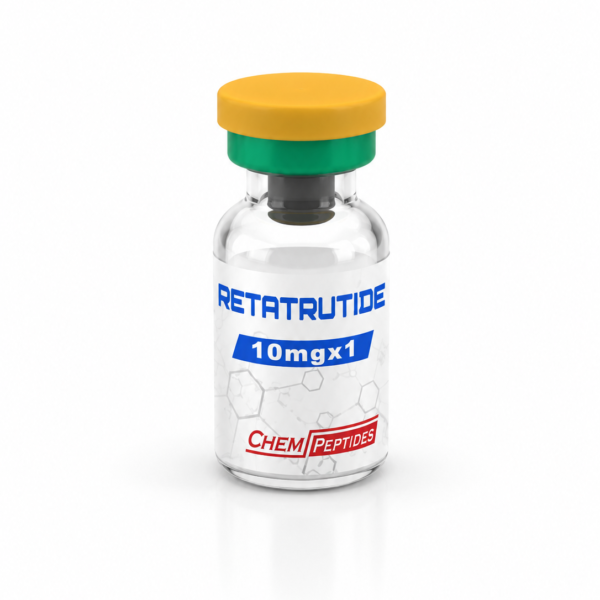
- GLP-1-agonisten (bijv. semaglutide, tirzepatide, retatrutide): incretine-nabootsende peptiden die worden bestudeerd voor metabool en lichaamssamenstellingsonderzoek.
- Groeihormoonsecretagogen (bijv. ipamorelin, tesamorelin): peptiden die de GH/IGF-1-as moduleren.
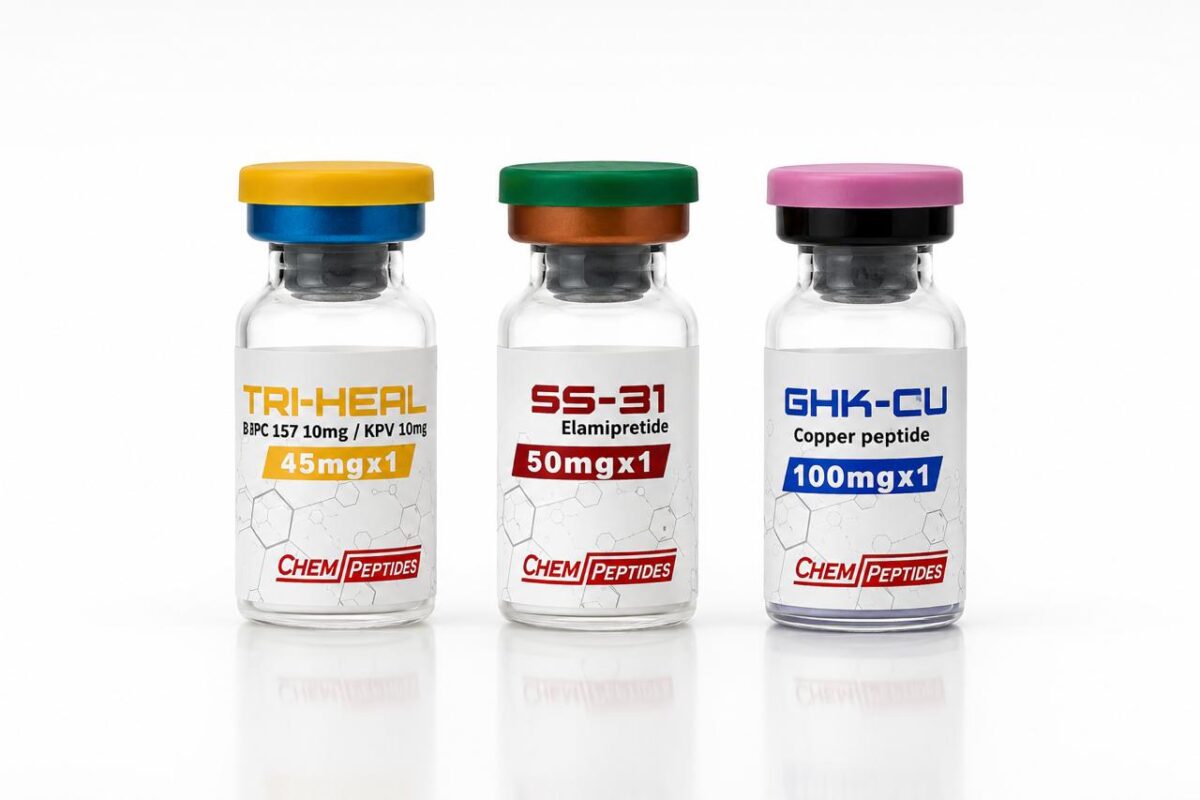
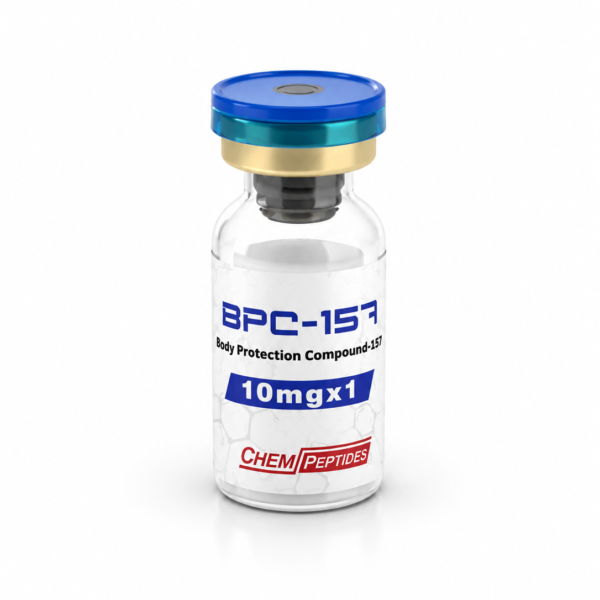
- Weefselregeneratiepeptiden (bijv. BPC-157, TB-500): verbindingen die worden bestudeerd om hun rol in cellulaire herstelroutes.
- Mitochondriale peptiden (bijv. SS-31/elamipretide, MOTS-c): peptiden die zich richten op mitochondriale functie en cellulaire energie.
- Kopergebonden peptiden (bijv. GHK-Cu): bestudeerd voor huid- en extracellulaire-matrixonderzoek.
- Nootrope peptiden (bijv. semax, selank): onderzocht op hun effecten op neurotransmittersystemen en cognitiemodellen.
Wat een Research-Grade Peptide Maakt
De term “research-grade” heeft een specifieke betekenis bij de inkoop van peptiden. Een research-grade peptide voldoet minimaal aan deze criteria:
- HPLC-zuiverheid ≥99%. Geverifieerd met High-Performance Liquid Chromatography en een gedocumenteerd chromatogram.
- Bevestiging met massaspectrometrie. De waargenomen massa komt overeen met de theoretische massa binnen de gebruikelijke instrumentnauwkeurigheid.
- Karl Fischer-titratie gedocumenteerd. Vochtgehalte doorgaans onder 5%, vaak onder 2%.
- Certificate of Analysis (CoA) per batch. Traceerbare analytische gegevens gekoppeld aan een uniek batchnummer.
- Cold-chain logistiek. Gekoeld verzonden om de integriteit van het peptide tijdens transport te behouden.
- Gelyofiliseerd onder gecontroleerde omstandigheden. Correct gevriesdroogd met gedocumenteerde cyclusparameters.
Materiaal dat niet aan deze criteria voldoet, of het nu €5 of €500 per flacon kost, mag niet worden gebruikt in onderzoek dat reproduceerbare resultaten vereist.
De Huidige Grenzen
Waar gaat het peptideonderzoek naartoe? Drie richtingen springen eruit:
- Multireceptoragonisten. Verbindingen zoals retatrutide (triple-agonist GLP-1/GIP/glucagon) tonen aan dat het gelijktijdig aanspreken van meerdere receptoren effecten kan opleveren die geen enkele verbinding met één doelwit heeft geëvenaard.
- Research-materiaal in penformulering. Voorgevulde research-pennen elimineren variabiliteit bij reconstitutie en maken een consistentere protocoltoediening mogelijk in onderzoeksopzetten met meerdere sessies.
- Onderzoek naar het stapelen van verbindingen. Op maat gemaakte mengsels (zoals combinaties van TB-500 + BPC-157 + KPV) worden bestudeerd op synergetische effecten die afzonderlijke verbindingen niet produceren.
Hoe Nu Verder
Als je aan het begin staat van je zoektocht naar research-peptiden, verdiepen de volgende artikelen in deze kennisbank de belangrijkste onderwerpen:
- Research Use Only (RUO): de regelgevende classificatie van research-peptiden
- HPLC-zuiverheid ≥99%: hoe zuiverheid analytisch wordt geverifieerd
- Cold-Chain Logistiek: waarom transport bij 2-8°C ertoe doet
- Certificate of Analysis: wat elk CoA zou moeten bevatten
- Lyofilisatie & Reconstitutie: de wetenschap achter vriesdrogen
- REACH & CLP-naleving: het EU-regelgevingskader
Voor gekwalificeerde onderzoekers die klaar zijn om geverifieerde research-peptiden in te kopen: bekijk de Chempeptides-catalogus. ≥99% HPLC-zuiverheid, levering vanuit de EU, cold-chain geleverd, CoA op aanvraag. Alleen voor onderzoeksdoeleinden.
Research disclaimer▾
Alle informatie op deze pagina is bedoeld voor laboratoriumonderzoek en in-vitro studies. Geen humane consumptie. Geen medische claims. Producten zijn niet goedgekeurd door EMA of FDA voor therapeutisch gebruik.
Research-grade materiaal bij Chempeptides
De meest gebruikte research peptiden uit onze catalogus:
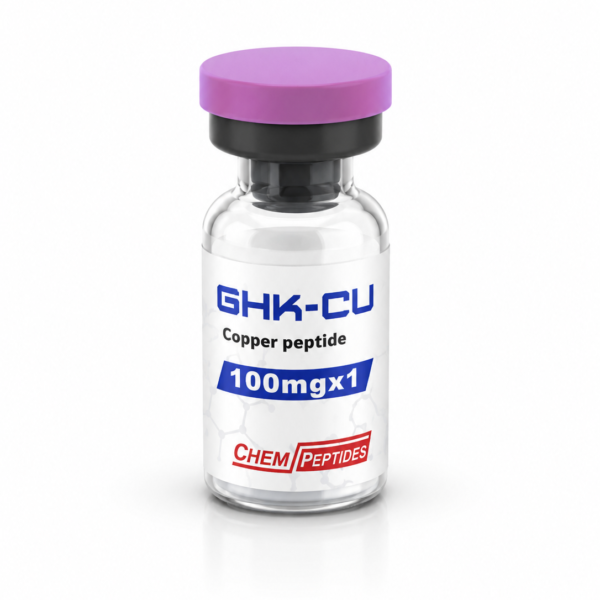
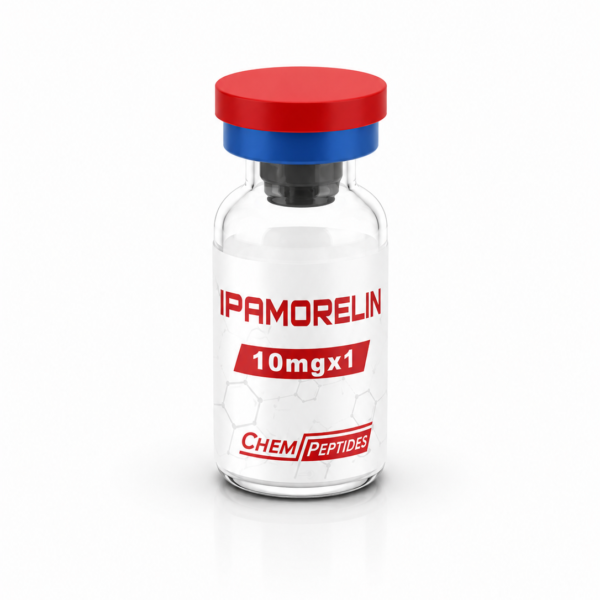
Betalen met iDEAL of Wero. Verzending in discrete verpakking vanuit Nederland. Uitsluitend voor laboratorium- en onderzoeksdoeleinden.