Binnen de Europese Unie bestaan research-peptiden niet in een regelgevingsvacuüm. Twee verordeningen kaderen hun bestaan: REACH (Registration, Evaluation, Authorisation and Restriction of Chemicals) en CLP (Classification, Labelling and Packaging). Deze verordeningen zijn niet specifiek ontworpen voor research-peptiden: ze reguleren chemische stoffen in brede zin. Maar ze zijn van toepassing, en begrijpen hoe ze van toepassing zijn is essentieel voor elk laboratorium dat onderzoeksverbindingen inkoopt, met name bij het overschrijden van grenzen binnen de EER of bij het uitleggen van inkoopbeslissingen aan institutionele compliance-functionarissen.
Dit artikel loopt door de REACH- en CLP-kaders zoals ze van toepassing zijn op research-peptiden, hoe registratie eruitziet bij verschillende volumedrempels, welke classificatie- en etiketteringseisen gelden, en hoe een compliant toeleveringsketen eruit zou moeten zien voor een inkopend laboratorium.
REACH-verordening (EG) 1907/2006
REACH trad in 2007 in werking en vertegenwoordigt het meest omvattende kader voor chemische regelgeving ter wereld. Het principe is simpel: elke stof die boven 1 ton per jaar in de EU wordt vervaardigd of geïmporteerd, vereist registratie bij het Europees Agentschap voor Chemische Stoffen (ECHA), met progressief uitgebreidere documentatievereisten bij hogere volumedrempels (1, 10, 100, 1000 ton per jaar).
Voor research-peptiden zijn de praktische implicaties als volgt:
- Vrijstellingen voor Onderzoek en Ontwikkeling. REACH-artikelen 9 (Product- en Procesgericht Onderzoek en Ontwikkeling: PPORD) en 11 (stoffen die uitsluitend voor wetenschappelijk onderzoek worden gebruikt) bieden specifieke vrijstellingen voor materialen die in onderzoek worden gebruikt onder gedefinieerde drempels. De meeste research-peptiden vallen in deze vrijgestelde categorieën vanwege lage jaarlijkse volumes.
- Tonnagedrempels. Research-peptiden die wereldwijd aan laboratoria worden verkocht, benaderen zelden de registratiedrempel van 1 ton voor een enkele verbinding. Individuele research-peptideverbindingen worden doorgaans in gram- of kilogramhoeveelheden per jaar verzonden, over alle klanten samen.
- Stofidentificatie. Zelfs binnen onderzoeksvrijstellingen moeten leveranciers een accurate stofidentificatie bijhouden: CAS-nummers waar toegewezen, molecuulformule en analytische karakterisering.
- Safety Data Sheets (SDS). Leveranciers zijn verplicht om SDS-documenten te verstrekken die hazard-classificatie, hanteringsinstructies en informatie voor noodmaatregelen bevatten, ongeacht de registratiestatus.
Voor inkopende laboratoria betekent dit: vraag je leverancier om een SDS voor elk research-peptide dat je inkoopt. Een leverancier die geen SDS kan of wil verstrekken, opereert buiten het REACH-kader, en het institutionele risico voor je laboratorium kan aanzienlijk zijn.
CLP-verordening (EG) 1272/2008
CLP trad in 2009 in werking en harmoniseert de EU met het Globally Harmonized System (GHS) van de Verenigde Naties voor classificatie, etikettering en verpakking van chemische stoffen. Waar REACH bepaalt of een stof op de markt mag zijn, bepaalt CLP hoe deze geclassificeerd, geëtiketteerd en verpakt moet worden zodra ze op de markt is.
CLP-eisen die van toepassing zijn op research-peptiden:
- Hazard-classificatie. Leveranciers moeten stoffen classificeren op basis van fysische, gezondheids- en milieugevaren volgens GHS-criteria.
- Hazard-etikettering. Waar gevaren aanwezig zijn, moet de verpakking gestandaardiseerde pictogrammen, signaalwoorden, gevarenaanduidingen (H-codes) en voorzorgsmaatregelen (P-codes) dragen.
- Afstemming met het Safety Data Sheet. De SDS moet dezelfde classificatie en taal gebruiken als het etiket, en uitgebreide informatie over hantering en noodmaatregelen bieden.
- Verpakkingseisen. Containers moeten zo zijn ontworpen dat verlies van inhoud wordt voorkomen, bestand tegen de stof, en (voor bepaalde gevarenklassen) tamper-evident of kindveilig.
Voor de meeste research-peptiden, doorgaans geclassificeerd als biologische moleculen met een laag risico en beperkte acute toxiciteit, zijn de etiketteringseisen bescheiden. Gelyofiliseerde peptide-ampullen met passende hanteringsrichtlijnen, afgesloten in compliant primaire verpakking en verzonden met een SDS in de buitenverpakking, voldoen aan de CLP-eisen voor de meeste klassen onderzoeksverbindingen.
Waarom dit kader belangrijk is voor inkoop
Een in de EU gevestigde leverancier die binnen de REACH- en CLP-kaders opereert, biedt verschillende voordelen ten opzichte van offshore of niet-compliant leveranciers:
- Legale inkoop binnen de EU. EU-naar-EU-zendingen van onderzoeksverbindingen met correcte documentatie kunnen zich verplaatsen zonder douanecomplicaties of inbeslagnames aan de grens.
- Beschikbaarheid van SDS. Institutionele inkoopprocessen vereisen doorgaans een SDS als onderdeel van vendor onboarding. Compliant leveranciers hebben SDS-documentatie klaarliggen.
- Audit trail. Wanneer een compliance-functionaris van een laboratorium vraagt “waar kwam deze verbinding vandaan?”, is het antwoord een gedocumenteerde EU-leverancier met verifieerbare bedrijfsidentiteit, geen offshore distributeur.
- Douanedocumentatie. EU-zendingen van compliant stoffen verplaatsen zich met gestandaardiseerde commerciële facturen en verzenddocumentatie. Niet-compliant zendingen worden routinematig door de douane vastgehouden.
Wat inkoop buiten de EU werkelijk kost
Veel laboratoria hebben op enig moment research-peptiden besteld bij niet-EU-leveranciers (doorgaans China, India of Rusland), aangetrokken door lagere prijzen per ampul. De verborgen kosten:
- Douanevertragingen. 2-4 weken douanehold is normaal voor chemische zendingen zonder correcte EU-documentatie; de cold-chain-stabiliteit wordt in dat venster gecompromitteerd.
- Risico op inbeslagname. Douaneautoriteiten nemen steeds vaker niet-geclassificeerde of onjuist gedocumenteerde chemische zendingen in beslag. Het geld is weg, de verbinding wordt vernietigd.
- Onbeschikbaarheid van SDS. Niet-EU-leveranciers verstrekken vaak geen EU-compliant SDS. De institutionele inkoop kan het materiaal bij ontvangst afwijzen.
- Audit-falen. Wanneer je wordt gevraagd de leverancier te traceren, kun je dat niet. Het lege vennootschap op de factuur bestaat over zes maanden misschien niet meer.
De besparingen per ampul van inkoop buiten de EU overleven zelden het contact met deze realiteit. Voor laboratoria die voorspelbare bevoorrading, compliant documentatie en verifieerbare herkomst nodig hebben, zijn in de EU gevestigde leveranciers binnen het REACH- en CLP-kader de enige duurzame keuze.
Hoe Chempeptides binnen dit kader opereert
Chempeptides is een in de EU gevestigde leverancier van research-peptiden die opereert binnen de REACH- en CLP-regelgevingskaders. Wij onderhouden:
- Safety Data Sheets voor elke verbinding in onze catalogus, op verzoek beschikbaar via ons contactformulier.
- Hazard-classificatie en -etikettering op elke verzonden ampul en buitenverpakking.
- EU-naar-EU-verzending binnen de Europese Economische Ruimte met gestandaardiseerde douanedocumentatie.
- Cold-chain-logistiek voor gekoeld transport door EU-lidstaten.
- Gedocumenteerde productiepartnerschappen met REACH-compliant chemische synthesefaciliteiten.
Voor institutionele inkoop die volledige vendor-compliance-documentatie vereist (REACH-registratiestatus, CLP-etiketteringsvoorbeelden, SDS-pack, transparantie van de toeleveringsketen), neem dan contact op om je specifieke inkoop-workflow te bespreken.
Voor gekwalificeerde onderzoekers die binnen het EU-compliancekader inkopen: bekijk de Chempeptides-catalogus. Uitsluitend voor onderzoeksdoeleinden.
Gerelateerd onderzoek
- EU Customs & Research Peptides — Importer’s Guide
- Waarom onderzoek-grade peptides strikt voor laboratoriumgebruik zijn, niet voor mensen of dieren
- Research Use Only (RUO): Why Our Peptides Are Strictly for Laboratory Research
- Why Research-Grade Peptides Are Strictly for Laboratory Use, Not Human or Animal Consumption
- How to Source Research Peptides: A Quality & Compliance Framework
Research disclaimer▾
Alle informatie op deze pagina is bedoeld voor laboratoriumonderzoek en in-vitro studies. Geen humane consumptie. Geen medische claims. Producten zijn niet goedgekeurd door EMA of FDA voor therapeutisch gebruik.
Research-grade materiaal bij Chempeptides
De meest gebruikte research peptiden uit onze catalogus:
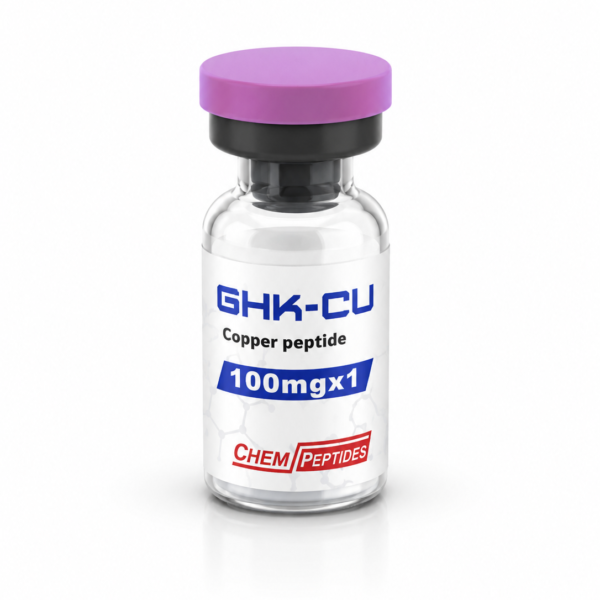
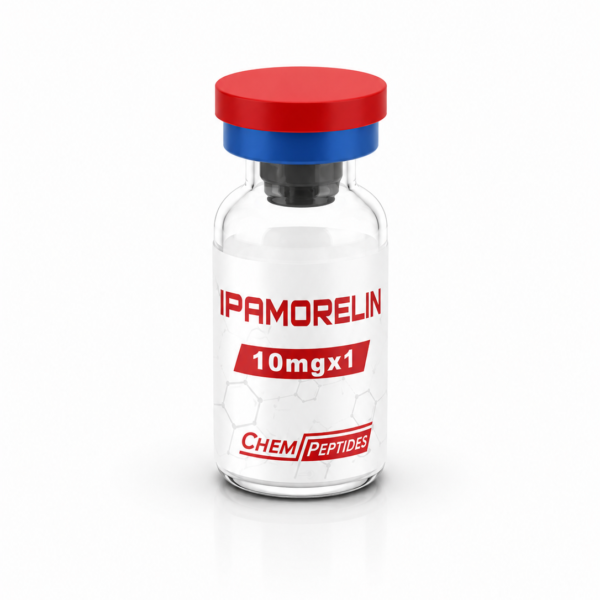
Betalen met iDEAL of Wero. Verzending in discrete verpakking vanuit Nederland. Uitsluitend voor laboratorium- en onderzoeksdoeleinden.