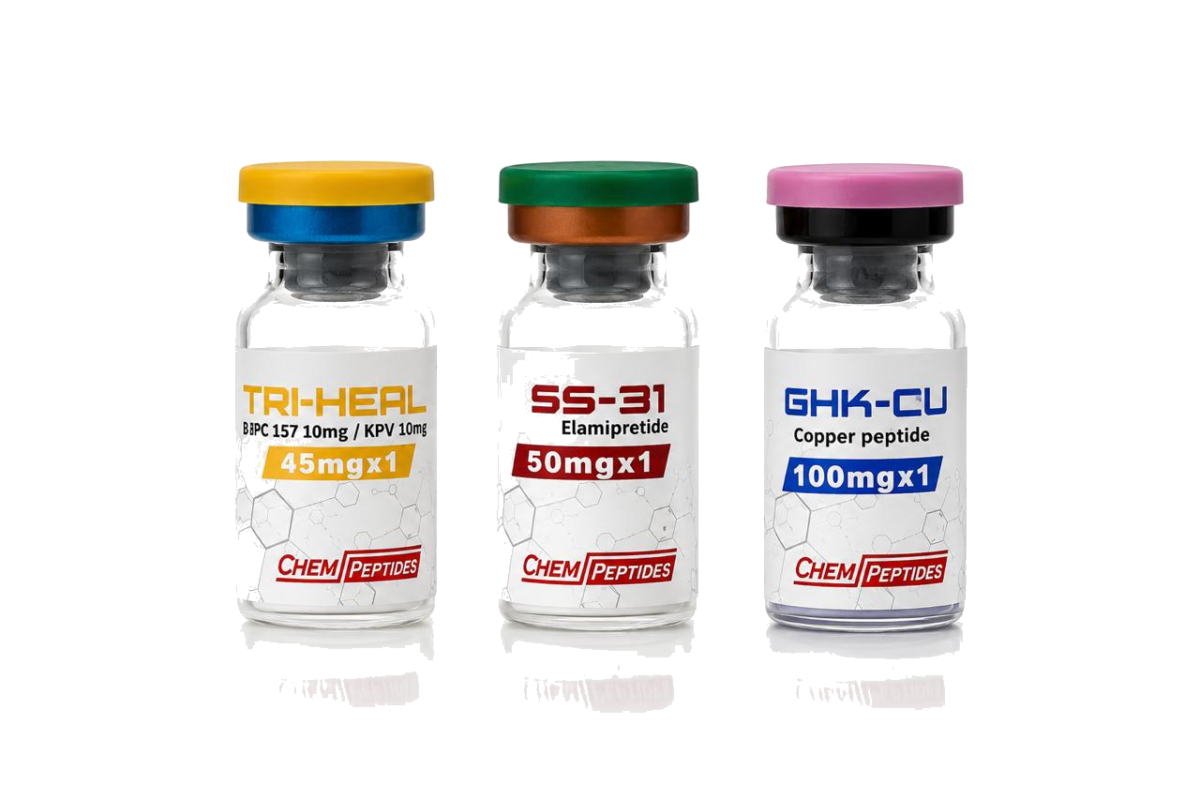
Als je ooit een onderzoekspeptide-vial hebt geopend, heb je de gelyofiliseerde koek gezien: een witte of gebroken-witte amorfe vaste stof onderin de vial, vaak nauwelijks zichtbaar omdat de oorspronkelijke verbindingsmassa slechts enkele milligrammen bedraagt. De koek oogt onopvallend. De chemie die hem heeft voortgebracht, en de chemie die nodig is om hem weer in oplossing te brengen voor laboratoriumgebruik, is verre van onopvallend. Dit artikel behandelt de wetenschap achter peptidelyofilisatie, waarom die werkt, waarom bacteriostatisch water het standaard reconstitutiemiddel is, en welke specifieke reconstitutieprotocollen de integriteit van de verbinding beschermen voor laboratoriumprotocollen.
Wat lyofilisatie precies doet
Lyofilisatie, ook wel vriesdrogen genoemd, is een proces dat water uit een monster verwijdert door sublimatie onder vacuüm. Het monster wordt eerst vast ingevroren, vervolgens onder lage druk geplaatst, en het bevroren water sublimeert direct van ijs naar waterdamp zonder ooit de vloeibare fase te doorlopen. Het peptide dat oorspronkelijk in water was opgelost, blijft achter als een vaste koek, met het grootste deel van het oorspronkelijke water verwijderd.
Waarom dit belangrijk is voor onderzoekspeptiden:
- Hydrolysepreventie. Door water gemedieerde bindingssplitsing is de dominante afbraakroute voor peptiden bij kamertemperatuur. Het verwijderen van water verwijdert het substraat voor hydrolyse.
- Beperking van moleculaire mobiliteit. Moleculen in de vaste fase hebben een drastisch verminderde mobiliteit vergeleken met moleculen in de waterige fase. Nevenreacties die moleculaire botsing vereisen, verlopen veel trager in de gelyofiliseerde toestand.
- Stabiliteit bij verzending en opslag. Een gelyofiliseerd peptide kan gekoeld worden verzonden en jarenlang bevroren worden bewaard met minimale afbraak. Hetzelfde peptide in oplossing zou bij dezelfde temperaturen binnen weken tot maanden afbreken.
- Concentratieflexibiliteit. Het eindgebruikerslaboratorium kan het peptide reconstitueren op elke concentratie die het protocol vereist, in plaats van een voorverdunde oplossing te ontvangen die mogelijk niet aansluit op de laboratoriumbehoeften.
Hoe een correcte lyofilisatiecyclus werkt
Lyofilisatie van onderzoeksgrade peptiden volgt een gedefinieerde cyclus:
- Oplossingsbereiding. Het gezuiverde peptide wordt opgelost in een waterige buffer, vaak met vulmiddelen zoals mannitol of trehalose om de structuur van de gelyofiliseerde koek te ondersteunen.
- Vullen en invriezen. De oplossing wordt in afzonderlijke vials gedoseerd en vervolgens snel ingevroren (doorgaans tot -40°C of lager) om de structuur vast te zetten.
- Primair drogen (sublimatie). De kamerdruk wordt verlaagd en de plaattemperatuur wordt geleidelijk verhoogd. IJs sublimeert direct naar damp en wordt opgevangen door een condensor.
- Secundair drogen. Na het primaire drogen wordt resterend gebonden water bij iets hogere temperaturen onder aanhoudend vacuüm verwijderd.
- Plaatsen van de stop en afsluiten. Vials worden onder vacuüm afgestopt of teruggevuld met inert gas (stikstof of argon) en vervolgens gefelst afgesloten om de gecontroleerde atmosfeer te behouden.
Een correcte lyofilisatiecyclus voor onderzoekspeptiden duurt 24-72 uur, afhankelijk van batchgrootte en apparatuur. Overhaaste cycli leveren slecht gevormde koeken op die gedeeltelijk ingestort kunnen zijn, overtollig restvocht kunnen bevatten of inconsistent reconstitutiegedrag vertonen.
Waarom bacteriostatisch water het standaard reconstitutiemiddel is
Voor onderzoeksprotocollen die gereconstitueerde peptideoplossingen vereisen, is bacteriostatisch water (steriel water voor injectie met 0.9% benzylalcohol als bacteriostatisch conserveermiddel) het de facto standaard reconstitutiemiddel. De redenen:
- Microbiële controle. De benzylalcohol voorkomt bacteriële en schimmelgroei in de gereconstitueerde oplossing en verlengt de bruikbare houdbaarheid van 1-3 dagen (met alleen steriel water) tot 28-30 dagen gekoeld.
- Peptidecompatibiliteit. Bij een concentratie van 0.9% wijzigt benzylalcohol de meeste onderzoekspeptiden niet chemisch en verstoort het de gebruikelijke uitleeswaarden van onderzoeksassays niet.
- Steriliteitsgarantie. Bacteriostatisch water van farmaceutische kwaliteit wordt onder steriele omstandigheden vervaardigd, waardoor microbiële besmetting als verstorende variabele in laboratoriumprotocollen wordt uitgesloten.
- Bufferneutraliteit. Bacteriostatisch water is in wezen ongebufferd, waardoor de onderzoeker later in het proces buffercomponenten kan toevoegen zoals het protocol vereist.
Sommige peptiden hebben specifieke oplosbaarheidsprofielen die aangepaste reconstitutiemiddelen vereisen: aangezuurd water (0.1% azijnzuur) voor slecht oplosbare basische peptiden, of zwak basische buffers voor slecht oplosbare zure peptiden. Waar dit van belang is, wordt de verbindingsspecifieke reconstitutierichtlijn opgenomen in de productdocumentatie.
Standaard reconstitutieprotocol
Voor een typisch onderzoekspeptide-protocol:
- Haal de vial uit de koeling en laat deze op kamertemperatuur komen (15-20 minuten). Koud materiaal reconstitueren met koud oplosmiddel vertraagt het oplossen en brengt het risico op onvolledige reconstitutie met zich mee.
- Veeg de stop van de vial af met 70% isopropanol of ethanol om een steriele overdrachtstechniek te behouden.
- Trek het berekende reconstitutievolume bacteriostatisch water op in een steriele spuit (doorgaans 1-3 mL, afhankelijk van de gewenste eindconcentratie).
- Injecteer het bacteriostatische water voorzichtig in de vial en houd de naald schuin zodat het water langs de binnenwand van de vial naar beneden loopt: directe injectie op de gelyofiliseerde koek kan schuimvorming en eiwitdenaturatie veroorzaken.
- Laat de vial 5-10 minuten ongestoord staan om geleidelijke reconstitutie mogelijk te maken. Voorzichtig zwenken mag, maar krachtig schudden moet worden vermeden.
- Zodra de oplossing helder is zonder zichtbaar onopgelost materiaal, breng deze over naar aliquotvials voor eenmalig gebruik voor opslag als meerdere gebruikssessies worden verwacht.
Veelvoorkomende reconstitutiefouten
Fouten die de integriteit van gereconstitueerd peptide kunnen aantasten:
- Krachtig schudden of vortexen. Mechanische agitatie kan de peptidestructuur denatureren en een lucht-watergrensvlak creëren dat aggregatie bevordert.
- Onjuist oplosmiddelvolume. Fouten in het berekende reconstitutievolume leiden tot concentratiefouten die doorwerken in alle vervolgprotocollen.
- Gebruik van niet-steriel water. Bacteriële besmetting veroorzaakt onvoorspelbare afbraak en kan assayresultaten verstoren.
- Reconstitueren voordat kamertemperatuur is bereikt. Koud oplosmiddel lost koud gelyofiliseerd materiaal slecht op; gedeeltelijke reconstitutie leidt tot concentratiefouten.
- Herhaald invriezen en ontdooien van gereconstitueerd materiaal. Elke vries-dooicyclus introduceert meetbare afbraak. Aliquoteren voor eenmalig gebruik voorkomt dit.
Opslag van gereconstitueerd materiaal
Na reconstitutie is de peptidestabiliteit drastisch verminderd vergeleken met gelyofiliseerd materiaal. Typische opslagtermijnen:
- Gekoeld (2-8°C) in bacteriostatisch water: 28-30 dagen
- Bevroren (-20°C) in aliquots voor eenmalig gebruik: 3-6 maanden
- Kamertemperatuur: Uren tot 1-2 dagen; niet aanbevolen voor protocollen die kwantitatieve resultaten vereisen
Voor langlopende protocollen die gedurende meerdere weken een consistente integriteit van de verbinding vereisen, is aliquoteren en invriezen in porties voor eenmalig gebruik de aanbevolen aanpak. Elk aliquot wordt eenmaal ontdooid, gebruikt en weggegooid, waarmee de cumulatieve afbraak van herhaalde vries-dooicycli wordt vermeden.
Wat Chempeptides biedt
Elk onderzoekspeptide dat door Chempeptides wordt verkocht, is onder gecontroleerde omstandigheden gelyofiliseerd in faciliteiten van farmaceutische kwaliteit, afgesloten onder inert gas en op verzoek gekoeld verzonden met cold packs om de integriteit van de verbinding te behouden van productie tot aan uw laboratorium. Aanbevolen reconstitutieprotocollen zijn voor elke verbinding opgenomen in de productdocumentatie, met specifieke richtlijnen waar ongebruikelijke oplosmiddelvereisten van toepassing zijn.
Voor gekwalificeerde onderzoekers die gelyofiliseerde onderzoekspeptiden aanschaffen voor laboratoriumprotocollen: bekijk de Chempeptides-catalogus. Alleen voor onderzoeksgebruik.
Gerelateerd onderzoek
- Bacteriostatisch water versus steriel water: vergelijking van reconstitutiemiddelen voor peptiden
- 7 reconstitutiefouten die onderzoekspeptiden afbreken
- Gelyofiliseerde versus vloeibare peptiden: reconstitutiegids voor onderzoekers
- Peptide-opslagprotocollen: houdbaarheid maximaliseren in het lab
- Koelketenlogistiek voor onderzoekspeptiden: de wetenschap van 2-8°C-stabiliteit en waarom die telt
Research disclaimer▾
Alle informatie op deze pagina is bedoeld voor laboratoriumonderzoek en in-vitro studies. Geen humane consumptie. Geen medische claims. Producten zijn niet goedgekeurd door EMA of FDA voor therapeutisch gebruik.
Research-grade materiaal bij Chempeptides
De meest gebruikte research peptiden uit onze catalogus:
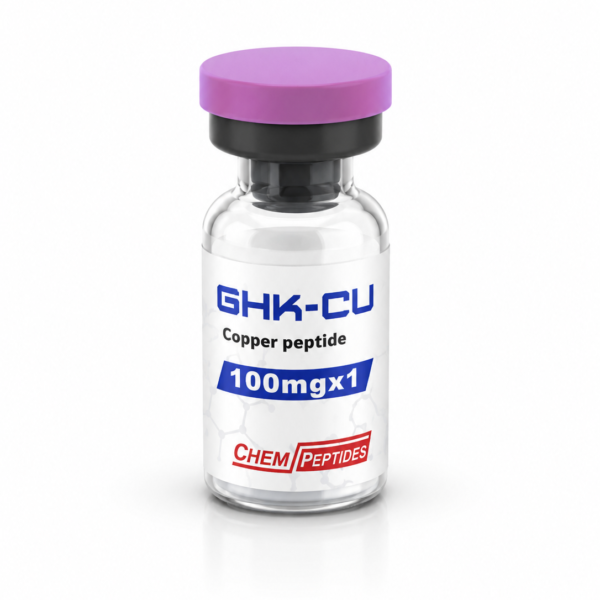
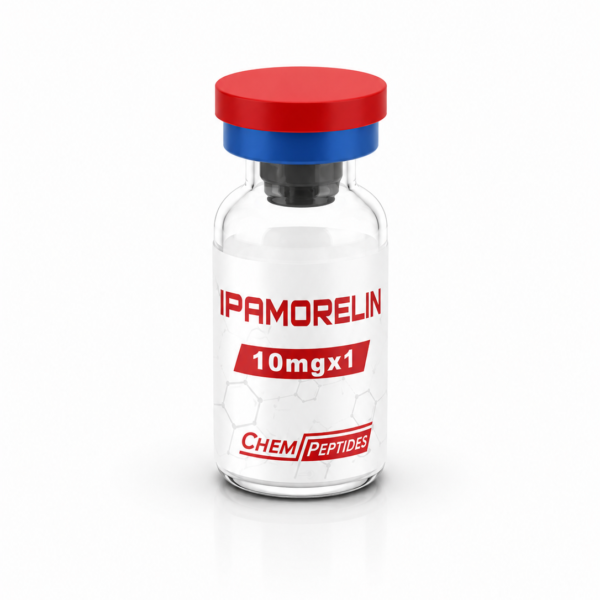
Betalen met iDEAL of Wero. Verzending in discrete verpakking vanuit Nederland. Uitsluitend voor laboratorium- en onderzoeksdoeleinden.