Elke batch research-peptide die onder correcte kwaliteitscontrole wordt geproduceerd, komt met een Certificate of Analysis (CoA). De CoA is het document dat een specifieke batch koppelt aan specifieke analytische data: HPLC-zuiverheid, massaspectrometrie-identificatie, vochtgehalte en fysieke karakterisering. Zonder een CoA heb je geen documentatie dat de verbinding in de ampul overeenkomt met de verbinding op het etiket. Met een CoA van een slecht uitgeruste leverancier heb je documentatie die mogelijk niet betrouwbaar is. Dit artikel legt uit wat een correcte research-peptide-CoA zou moeten bevatten en wat je moet verifiëren voordat dat materiaal je laboratoriuminventaris binnenkomt.
Wat een correcte CoA bevat
Een research-grade CoA voor een peptideverbinding zou minimaal het volgende moeten bevatten:
- Productidentificatie: naam van de verbinding, sequentie (waar van toepassing), CAS-nummer, molecuulformule en molecuulgewicht.
- Batchnummer: een unieke identificatie die traceerbaar is naar de synthese-run en de QC-analysecyclus.
- Productiedatum en analysedatum: beide zouden recent moeten zijn, waarbij de analysedatum doorgaans binnen enkele weken van verzending ligt.
- HPLC-zuiverheidsresultaat: doorgaans ≥99% voor research-grade materiaal, met het chromatogram of de piekintegratietabel.
- Massaspectrometrie-resultaat: waargenomen monoisotopische massa vergeleken met de theoretische massa voor de doelsequentie, ter bevestiging van de identiteit van de verbinding.
- Karl Fischer-titratie: vochtgehalte, doorgaans gerapporteerd als een percentage, belangrijk voor de stabiliteit van gelyofiliseerd materiaal.
- Uiterlijk: fysieke beschrijving van het gelyofiliseerde materiaal (witte amorfe vaste stof, gebroken wit poeder, enz.).
- Bewaaraanbevelingen: temperatuurbereik, richtlijnen voor lichtblootstelling, reconstitutienotities.
- Handtekening en laboratoriumidentificatie: naam van de analist, handtekening van de QC-manager, laboratoriumadres.
Het HPLC-gedeelte lezen
Het HPLC-zuiverheidsresultaat is het belangrijkste enkele getal op de CoA. Een correcte presentatie omvat:
- Het geïntegreerde chromatogram dat alle gedetecteerde pieken toont
- Retentietijd van de doelpiek
- Piekoppervlak als percentage van het totale geïntegreerde oppervlak
- De HPLC-methodecondities (kolom, samenstelling mobiele fase, flow rate, detectiegolflengte)
Rode vlaggen in het HPLC-gedeelte: één enkel getal (“≥99%”) zonder chromatogram, ontbrekende methodecondities, een chromatogram dat meerdere niet-geïdentificeerde pieken toont die qua oppervlak vergelijkbaar zijn met de doelpiek, of methodecondities die duidelijk ongeschikt zijn voor de verbindingsklasse (bijv. een niet-reversed-phase methode voor een typisch research-peptide).
Het massaspectrometrie-gedeelte lezen
Massaspectrometrie bevestigt de identiteit van de verbinding. Voor een peptide zou de CoA het volgende moeten rapporteren:
- Theoretische monoisotopische massa voor de doelsequentie
- Waargenomen massa (doorgaans electrospray-ionisatie, ESI-MS)
- Massanauwkeurigheid of -fout (in ppm of Da)
Voor een correct geïdentificeerde verbinding zou de waargenomen massa moeten overeenkomen met de theoretische massa binnen de typische nauwkeurigheid van de massaspectrometer (onder 5 ppm voor high-resolution instrumenten, onder 0,5 Da voor unit-resolution instrumenten). Een discrepantie geeft aan dat de verbinding niet is wat het etiket zegt: hetzij een synthesefout, een etiketteringsfout, of een opzettelijk gesubstitueerde verbinding.
De Karl Fischer-titratie lezen
Karl Fischer-titratie meet het watergehalte in het gelyofiliseerde materiaal. Overtollig water versnelt hydrolytische degradatie en wijst op onvolledige vriesdroging of onjuiste verpakking. Typische research-grade gelyofiliseerde peptiden rapporteren een vochtgehalte onder 5%, vaak onder 2%. Waarden boven 10% suggereren materiaal dat de vermelde houdbaarheid niet zal handhaven en zou in twijfel getrokken moeten worden.
Veelvoorkomende CoA-tekortkomingen en rode vlaggen
Let bij het beoordelen van een leverancier of batch op deze problemen:
- Helemaal geen CoA. Materiaal dat zonder documentatie wordt verzonden, heeft geen analytische traceerbaarheid. Loop weg.
- Generieke CoA, geen batchnummer. Een standaarddocument dat de verbinding vermeldt maar niet de specifieke batch die je hebt ontvangen, is geen echte CoA: het is marketingmateriaal.
- CoA-datums die niet overeenkomen. Een analysedatum die significant ouder is dan de verzenddatum suggereert opgeslagen voorraad van onbepaalde ouderdom.
- Ontbrekend chromatogram. Een getal zonder de ondersteunende data kan niet worden geverifieerd.
- Massaspectrometrie ontbreekt of is vaag. “Bevestigd met MS” zonder daadwerkelijke data is geen verificatie.
- Verdachte zuiverheidsclaims. Claims van 99,9% of “100% puur” zouden met scepsis moeten worden bekeken: moderne HPLC rapporteert zuiverheid tot twee significante cijfers, en ≥99% is de praktische limiet van een betekenisvolle claim.
- Geen handtekening van de analist of laboratoriumidentificatie. Anonieme CoA’s kunnen niet worden opgevolgd als er vragen ontstaan.
Wat te doen met een CoA zodra je hem ontvangt
Standaard laboratoriumprotocol voor inkomend research-peptide-materiaal:
- Vergelijk het batchnummer op de CoA met het batchnummer op het ampuletiket.
- Bevestig dat naam van de verbinding, sequentie en molecuulgewicht overeenkomen tussen CoA, ampul en besteldocumentatie.
- Verifieer dat de HPLC-zuiverheid op of boven de door je protocol vereiste drempel ligt (doorgaans ≥98% voor de meeste onderzoekstoepassingen, ≥99% voor publicatie-grade werk).
- Bevestig dat de massaspectrometrie-data overeenkomt met de verwachte identiteit van de verbinding.
- Archiveer de CoA in je laboratoriumdocumentbeheersysteem met datum van ontvangst en opslaglocatie.
- Bewaar voor batch-gevoelig werk de CoA gedurende de volledige bewaartermijn die door je institutionele protocollen wordt vereist (doorgaans 5-10 jaar voor gereguleerde onderzoeksomgevingen).
Wat Chempeptides levert
Elke batch research-peptide die door Chempeptides wordt verkocht, heeft een bijbehorende CoA die HPLC-zuiverheid (≥99%), massaspectrometrie-identificatie, Karl Fischer-vochtgehalte en fysieke karakterisering documenteert. CoA’s zijn op verzoek beschikbaar via het contactformulier na plaatsing van de bestelling, met verwijzing naar het batchnummer.
Voor institutionele inkoop die CoA-levering als onderdeel van het bestelproces vereist (bijv. academische accounts, CRO-leveringscontracten), kunnen we regelen dat de CoA met het fysieke product wordt meegezonden. Neem contact op om de vereisten van de inkoop-workflow te bespreken.
Voor gekwalificeerde onderzoekers die klaarstaan om geverifieerde research-peptiden in te kopen: bekijk de catalogus. Uitsluitend voor onderzoeksdoeleinden.
Gerelateerd onderzoek
- Reading a Peptide Certificate of Analysis (CoA) — A Researcher’s Decoder
- The Chempeptides Quality Stack — How Every Batch Is Verified
- The True Cost of Cheap Research Peptides — €15 Per Vial Math
- HPLC Zuiverheid van 99 Procent: Waarom Het Verschil Maakt Bij Onderzoek-Grade Peptides
- HPLC Purity ≥99% in Research Peptides: How High-Performance Liquid Chromatography Verifies Compound Integrity
Research disclaimer▾
Alle informatie op deze pagina is bedoeld voor laboratoriumonderzoek en in-vitro studies. Geen humane consumptie. Geen medische claims. Producten zijn niet goedgekeurd door EMA of FDA voor therapeutisch gebruik.
Research-grade materiaal bij Chempeptides
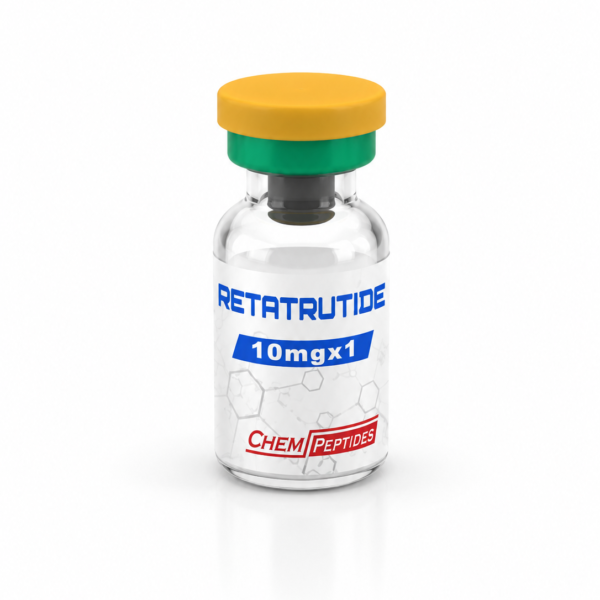
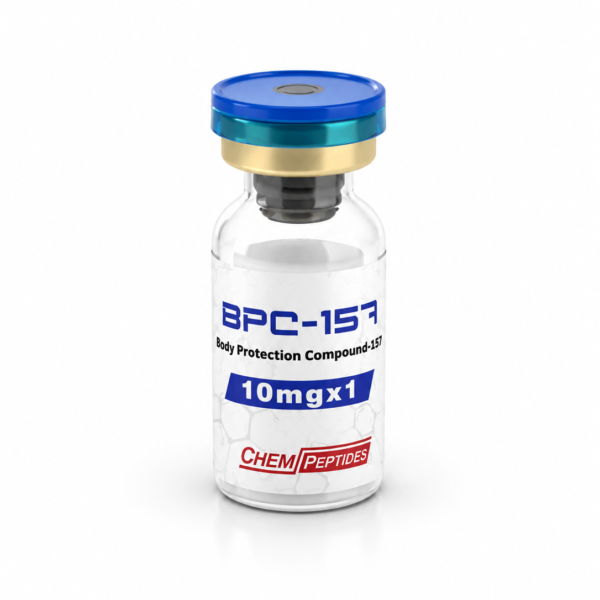
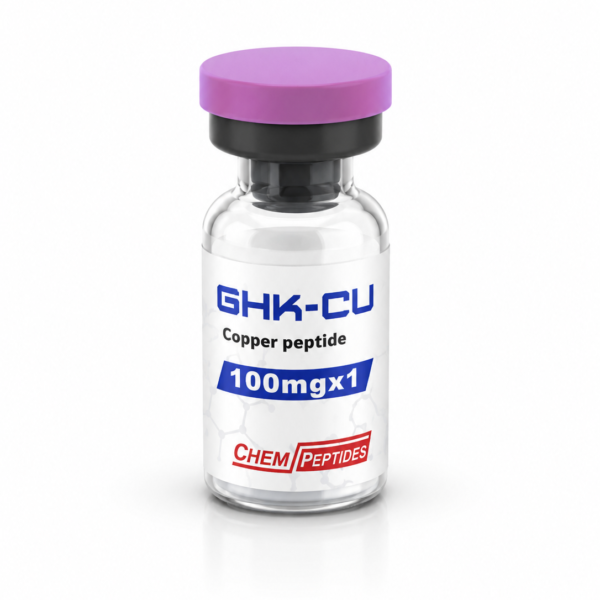
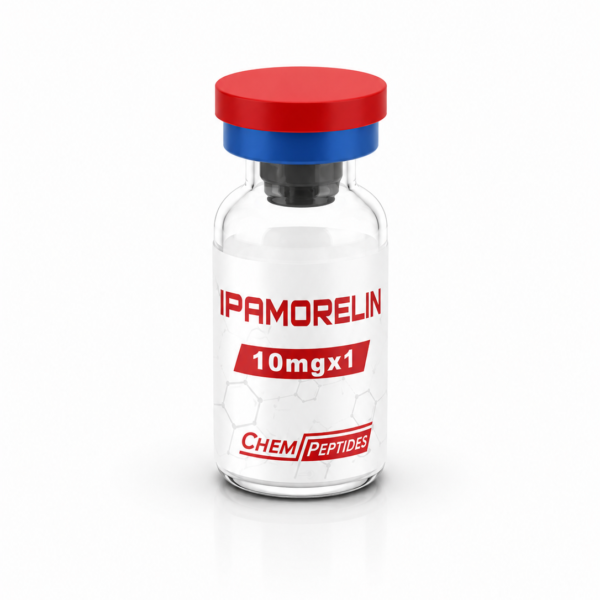
De meest gebruikte research peptiden uit onze catalogus:
Betalen met iDEAL of Wero. Verzending in discrete verpakking vanuit Nederland. Uitsluitend voor laboratorium- en onderzoeksdoeleinden.