Als je eerder research-peptiden hebt besteld en een piepschuimen doos met koelelementen en een temperatuursticker hebt ontvangen, dan heb je cold-chain-logistiek in actie gezien. De reden is niet esthetisch. Peptiden degraderen. Sommige degraderen snel. Sommige degraderen langzaam. Vrijwel geen enkele verdraagt kamertemperatuur gedurende langere tijd zonder meetbaar verlies van activiteit, structurele integriteit of analytische zuiverheid.
Dit artikel legt de wetenschap achter cold-chain-transport van peptiden uit, de degradatieroutes die deze eis aandrijven, en wat er met je onderzoek gebeurt wanneer goedkope leveranciers gelyofiliseerd materiaal in standaardenveloppen versturen.
De degradatieroutes
Peptiden degraderen via verschillende afzonderlijke mechanismen, die elk worden versneld door temperatuur, vocht, licht en blootstelling aan zuurstof. De vijf primaire degradatieroutes voor research-peptiden:
- Hydrolyse: watermoleculen splitsen peptidebindingen, met name bij aspartaat- (Asp) en glutamaat- (Glu) residuen. Versneld boven 8°C, dramatisch boven 25°C.
- Oxidatie: methionine- (Met), cysteine- (Cys), tryptofaan- (Trp) en tyrosine- (Tyr) residuen zijn kwetsbaar voor oxidatie in aanwezigheid van zuurstof. Warmte versnelt de snelheidsconstante.
- Deamidering: asparagine- (Asn) en glutamine- (Gln) residuen zetten zich respectievelijk om in aspartaat en glutamaat, waardoor de identiteit van de verbinding verandert. Zeer temperatuurgevoelig.
- Disulfide-scrambling: peptiden met meerdere cysteines (bijv. oxytocine, IGF-1 LR3) kunnen disulfidebindingen onder invloed van warmte herschikken, waardoor structurele varianten met veranderde bindingsprofielen ontstaan.
- Aggregatie: peptiden boven hun kritische concentratie kunnen aggregaten vormen, met name bij herhaalde vries-dooicycli of temperatuurschommelingen.
Het gecombineerde effect: een gelyofiliseerd research-peptide dat 30 dagen bij 25°C wordt bewaard, kan 5-15% van zijn meetbare potentie verliezen, afhankelijk van de sequentiesamenstelling. Een peptide dat ’s zomers bij 35°C wordt vervoerd in een uitsluitend geconditioneerde vrachtwagen, kan in een week transit meer verliezen dan een correct bewaarde ampul over een jaar gekoelde houdbaarheid zou verliezen.
Gelyofiliseerde versus gereconstitueerde stabiliteit
Research-peptiden worden verzonden als gelyofiliseerd (gevriesdroogd) poeder, afgesloten onder inert gas (doorgaans stikstof of argon) in een ampul die is afgedicht met een butylrubberen stop en een aluminium krimpdop. In deze toestand is het peptide aanzienlijk stabieler dan in gereconstitueerde vorm: vocht is verwijderd, zuurstof is verdrongen en de moleculaire mobiliteit die nodig is voor hydrolytische degradatie is beperkt.
Typische stabiliteit voor gelyofiliseerde research-peptiden:
- Gekoeld (2-8°C): 12-24 maanden, afhankelijk van de sequentie
- Bevroren (-20°C of lager): 24-36+ maanden
- Kamertemperatuur (20-25°C): 1-3 maanden met meetbare degradatie; niet aanbevolen
- Verhoogde temperatuur (boven 30°C): Snelle degradatie; hooguit weken
Zodra het is gereconstitueerd met bacteriostatisch water of research-grade fysiologisch zout, daalt de stabiliteit van het peptide drastisch. Gereconstitueerde peptiden behouden doorgaans hun integriteit gedurende 28-30 dagen gekoeld, met significante degradatie na 60+ dagen. Vries-dooicycli degraderen gereconstitueerd materiaal verder; veel laboratoria verdelen gereconstitueerde peptiden in porties voor eenmalig gebruik om herhaalde vries-dooicycli te voorkomen.
Waarom cold-chain-transport belangrijk is
Het venster tussen fabrikant en laboratorium is waar de meeste vermijdbare degradatie optreedt. Een peptide dat is gesynthetiseerd bij een gerenommeerde faciliteit, geverifieerd op ≥99% HPLC-zuiverheid, correct verpakt en juist bewaard bij de fabrikant, kan alsnog in gedegradeerde vorm bij je laboratorium aankomen als het tussenliggende transport ongecontroleerd is.
Veelvoorkomende transportfaalwijzen:
- Zomers wegtransport: vrachtwagens en magazijnen overschrijden in de zomermaanden regelmatig 35°C; een transitvenster van 3-5 dagen kan significante degradatie veroorzaken.
- Internationaal luchtvrachtvervoer zonder temperatuurbeheersing: vrachtruimen kunnen temperatuurschommelingen ervaren; overslagperiodes bij grondfaciliteiten stellen pakketten bloot aan omgevingsomstandigheden.
- Postdiensten zonder isolatie: verzending in een standaardenvelop of gewatteerde mailer biedt geen enkele thermische bescherming.
- Douanevertragingen: internationale zendingen kunnen gedurende onbekende periodes bij douanefaciliteiten blijven liggen, vaak zonder temperatuurbeheersing.
Hoe een correcte cold-chain eruitziet
Een research-grade cold-chain-zending zou het volgende moeten bevatten:
- Geïsoleerde verpakking: doorgaans een doos van polystyreen of polyurethaan met gemeten thermische prestaties onder de verwachte transitomstandigheden.
- Koelgelelementen: voldoende volume om 2-8°C te handhaven gedurende de verwachte transitduur plus een veiligheidsmarge.
- Versnelde verzenddienst: overnight- of next-day-prioriteit om de transittijd te minimaliseren.
- Tracking met bezorgbevestiging: zorgt ervoor dat pakketten niet onbeheerd op bezorgpunten worden achtergelaten.
- Optionele temperatuurlogger: voor waardevolle of compliance-gevoelige zendingen documenteert een elektronische temperatuurrecorder de volledige thermische historie.
Chempeptides verzendt elke bestelling met geïsoleerde verpakking en koelgelelementen die zijn afgestemd op de verwachte transitduur. Binnen de EU is dit doorgaans 2-3 dagen gekoeld transit. Voor waardevolle of institutionele bestellingen die gedocumenteerde thermische compliance vereisen, kunnen op verzoek elektronische temperatuurloggers worden meegeleverd.
Wat te doen wanneer je peptiden aankomen
Standaard ontvangstprotocol voor research-peptiden:
- Open het pakket onmiddellijk bij ontvangst: laat het niet in een receptieruimte of op een laadperron staan.
- Verifieer dat de temperatuurindicator (indien aanwezig) geen excursie buiten 2-8°C tijdens transit toont.
- Inspecteer de conditie van het gelelement: volledig bevroren of gesmolten kan wijzen op transitproblemen.
- Breng de ampullen over naar koeling (2-8°C) of vriezer (-20°C of lager) volgens je laboratoriumprotocol.
- Documenteer de datum van ontvangst en de opslaglocatie in je laboratoriuminventarissysteem.
- Als er iets mis lijkt: temperatuurexcursie-indicator geactiveerd, gelelementen volledig gesmolten, verpakking beschadigd, neem dan onmiddellijk contact op met de leverancier. Bewaar of gebruik twijfelachtig materiaal niet.
Cold-chain-logistiek is een van die systemen die onzichtbaar zijn wanneer ze werken en catastrofaal wanneer ze falen. Onderzoekers die consistent met peptiden werken, ontwikkelen een sterk gevoel voor welke leveranciers correct verzenden en welke niet. De €5-10 per zending die lagere-segmentleveranciers besparen door geïsoleerde verpakking over te slaan, is dezelfde €5-10 die je laboratorium betaalt in mislukte assays en niet-reproduceerbare resultaten.
Voor gekwalificeerde onderzoekers die research-peptiden met de mogelijkheid tot gekoeld verzenden inkopen: bekijk de Chempeptides-catalogus. Uitsluitend voor onderzoeksdoeleinden.
Gerelateerd onderzoek
- Cold-Chain Logistics for Research Peptides: What Most Suppliers Don’t Tell You
- Buy Research Peptides in Rotterdam — Cold-Chain to Zuid-Holland
- Cold-Chain Peptide Shipping: Germany, France & UK Carrier Performance
- Lyophilisation and Reconstitution of Research Peptides: The Science of Freeze-Drying and Bacteriostatic Water
- EU Customs & Research Peptides — Importer’s Guide
Research disclaimer▾
Alle informatie op deze pagina is bedoeld voor laboratoriumonderzoek en in-vitro studies. Geen humane consumptie. Geen medische claims. Producten zijn niet goedgekeurd door EMA of FDA voor therapeutisch gebruik.
Research-grade materiaal bij Chempeptides
De meest gebruikte research peptiden uit onze catalogus:
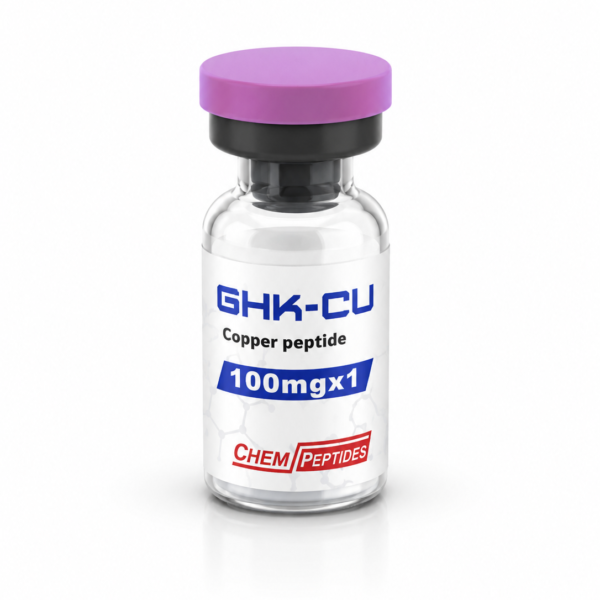
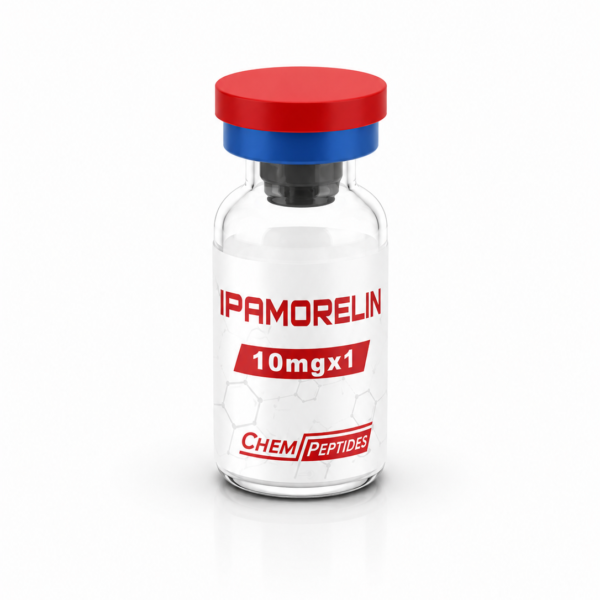
Betalen met iDEAL of Wero. Verzending in discrete verpakking vanuit Nederland. Uitsluitend voor laboratorium- en onderzoeksdoeleinden.