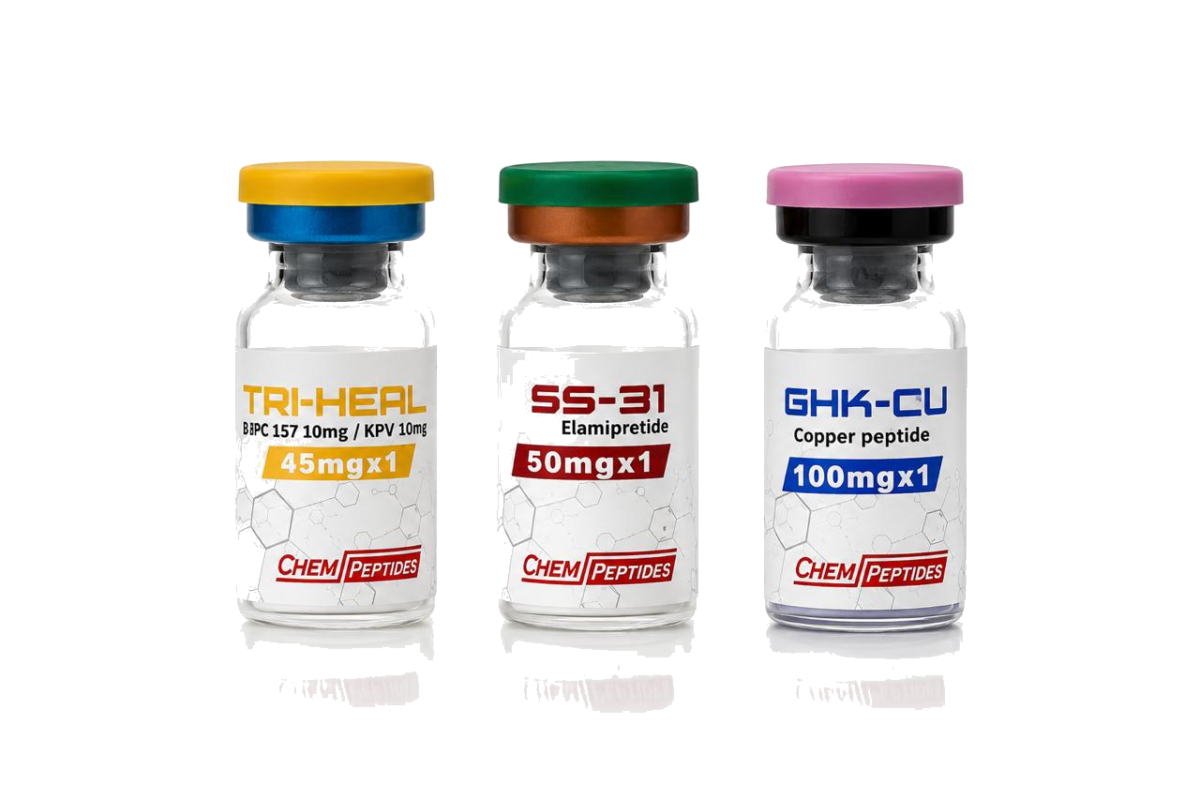
Als je een productpagina van Chempeptides hebt gelezen, heb je de zinsnede ≥99% HPLC-zuiverheid gezien. Dat getal is geen marketing: het is de analytische drempel die research-grade peptidemateriaal scheidt van bulk chemische voorraad. Dit artikel legt uit hoe High-Performance Liquid Chromatography daadwerkelijk werkt, wat het detecteert, wat de ≥99%-drempel in de praktijk betekent, en wat er met je onderzoek gebeurt wanneer leveranciers stilletjes 95% materiaal leveren.
Wat HPLC daadwerkelijk meet
High-Performance Liquid Chromatography is een scheidingstechniek die in de jaren zestig is ontwikkeld en verfijnd tot de moderne UHPLC-systemen (ultra-high-performance) die vandaag worden gebruikt in farmaceutische en research-grade QC-laboratoria. Het principe is eenvoudig: een peptidemonster wordt opgelost, onder hoge druk door een chromatografische kolom gepompt die is gevuld met een stationaire fase, en elke verbinding in het monster elueert op een karakteristieke retentietijd. Een UV-detector op 214 nm (de golflengte waarop peptidebindingen het sterkst absorberen) meet de absorptie op elke retentietijd en produceert het vertrouwde chromatogram dat je op elk Certificate of Analysis ziet.
De belangrijkste output: elke piek in het chromatogram vertegenwoordigt een afzonderlijke verbinding. Het oppervlak onder elke piek, uitgedrukt als percentage van het totale piekoppervlak, is de relatieve hoeveelheid van die verbinding in het monster. Een research-grade peptidechromatogram toont één dominante piek (het doelpeptide) en kleine of afwezige pieken voor onzuiverheden, afgekapte sequenties, deletieproducten en oxidatiebijproducten. ≥99% betekent dat de doelpiek ten minste 99% van het totale gedetecteerde materiaal vertegenwoordigt.
Waarom ≥99% de research-grade drempel is
Research-peptidesynthese, doorgaans solid-phase peptide synthesis (SPPS) met Fmoc-chemie, levert geen 100% zuiver product op. Nevenreacties, deletiesequenties, racemisatie, onvolledige koppeling en deprotectiefouten dragen allemaal bij aan een populatie van onzuiverheidspeptiden. Het ruwe product na synthese zit vaak op 70-85% zuiverheid. Om research-grade ≥99% te bereiken, wordt het materiaal gezuiverd met preparatieve HPLC (hetzelfde scheidingsprincipe, opgeschaald om onzuiverheden te verwijderen).
De reden dat ≥99% ertoe doet voor onderzoek:
- Reproduceerbaarheid. Een 95% zuiver peptide bevat 5% onzuiverheidsmateriaal. Over meerdere laboratoriumprotocollen kan die 5% verbindingen bevatten met een eigen biologische activiteit, die je assay-uitlezing contamineren en je resultaten onreproduceerbaar maken.
- Nauwkeurigheid van dosis-respons. Als je 10 mg van een 95% zuiver peptide afweegt, doseer je 9,5 mg doelverbinding plus 0,5 mg gemengde onzuiverheden. Je gerapporteerde dosis is 5% onjuist.
- Receptorbindingsstudies. Afgekapte peptidesequenties uit de synthese kunnen aan dezelfde receptor binden als je doelverbinding, maar met een andere affiniteit, waardoor bindingscurves en Kd-berekeningen worden gecontamineerd.
- Publicatiestandaarden. De meeste peer-reviewed tijdschriften vereisen het vermelden van de zuiverheid van de verbinding. ≥99% is de gebruikelijke drempel voor opname in methodesecties zonder aanvullende kwalificatie.
Hoe de meting wordt uitgevoerd
Een correcte HPLC-zuiverheidsanalyse voor een research-peptide volgt een vastgelegd protocol:
- Monstervoorbereiding: peptide opgelost in een oplosmiddel dat compatibel is met de mobiele fase, doorgaans een water/acetonitril-mengsel met 0,1% trifluorazijnzuur (TFA).
- Kolomselectie: reversed-phase C18-kolom, doorgaans 250 × 4,6 mm, 5 μm deeltjesgrootte, geschikt voor peptiden van typische research-lengte (5-50 aminozuren).
- Gradiëntelutie: de samenstelling van de mobiele fase verschuift van hoog-water/laag-acetonitril naar hoog-acetonitril over 30-60 minuten, waarbij verbindingen worden gescheiden op hydrofobiciteit.
- UV-detectie op 214 nm: legt de absorptie van de peptidebinding vast; soms parallel met 280 nm voor verbindingen die tryptofaan of tyrosine bevatten.
- Integratie: chromatografiesoftware integreert het oppervlak onder elke piek; het doelpiekoppervlak wordt gedeeld door het totale oppervlak om het zuiverheidspercentage te produceren.
Voor research-grade certificering moet deze analyse onafhankelijk worden uitgevoerd: ofwel door de fabrikant in een gekwalificeerd QC-laboratorium, ofwel door een externe analytische dienst. Peptiden van Chempeptides worden geanalyseerd met gekwalificeerde HPLC-systemen met gedocumenteerde kolomprestaties en traceerbare referentiestandaarden.
Wat lagere zuiverheid je onderzoek daadwerkelijk kost
Het economische argument voor goedkope research-peptiden ziet er aantrekkelijk uit op basis van prijs per vial. €15 bespaard per vial over 100 vials per kwartaal is €6.000 bespaard per jaar. Maar de werkelijke kosten van materiaal met lage zuiverheid vallen elders:
- Mislukte assays. Eén onreproduceerbaar resultaat kan weken laboratoriumtijd kosten, tientallen uren onderzoekerssalaris, en een onbekend aantal celkweekpassages of dierstudiecycli.
- Publicatie-intrekking. Steeds vaker vereisen tijdschriften een traceerbare herkomst van de verbinding. Een niet-geverifieerde leverancier met lage zuiverheid in je methodesectie is grond voor redactionele toetsing.
- Identiteitsfouten van verbindingen. Zonder HPLC-verificatie ontvang je mogelijk niet de verbinding die je hebt besteld. Sequentievarianten en deletieproducten komen vaak voor in ongeverifieerd materiaal.
- Variabiliteit tussen batches. Verschillende batches van materiaal met lage zuiverheid variëren in hun onzuiverheidsprofiel. Je controle- en experimentele groepen gebruiken mogelijk niet dezelfde verbinding.
Wat Chempeptides levert
Elke research-peptide die door Chempeptides wordt verkocht, is geverifieerd op ≥99% HPLC-zuiverheid, met het chromatogram en de analytische data beschikbaar op het Certificate of Analysis. De gebruikte HPLC-methoden volgen waar van toepassing EP-protocollen (European Pharmacopoeia), en de kolomprestaties worden vóór elke batchanalyse geverifieerd tegen referentiestandaarden.
Als je de volledige chromatografische data nodig hebt voor je laboratoriumdossier: het geïntegreerde chromatogram, retentietijden, piekoppervlakken en methodedocumentatie, vraag dan de CoA aan via ons contactformulier na het plaatsen van je bestelling. Wij houden analytische dossiers bij voor elke verzonden batch.
Voor gekwalificeerde onderzoekers die klaar zijn om geverifieerde research-peptiden in te kopen: bekijk de catalogus. Research-use only.
Gerelateerd onderzoek
- HPLC Zuiverheid van 99 Procent: Waarom Het Verschil Maakt Bij Onderzoek-Grade Peptides
- HPLC Verification: Why ≥99% Matters
- The Anatomy of Peptide Purity: Why ≥99% HPLC Verification Matters
- The True Cost of Cheap Research Peptides: €15 Per Vial Math
- Certificate of Analysis (CoA) for Research Peptides: What Every Laboratory Should Verify
Research disclaimer▾
Alle informatie op deze pagina is bedoeld voor laboratoriumonderzoek en in-vitro studies. Geen humane consumptie. Geen medische claims. Producten zijn niet goedgekeurd door EMA of FDA voor therapeutisch gebruik.
Research-grade materiaal bij Chempeptides
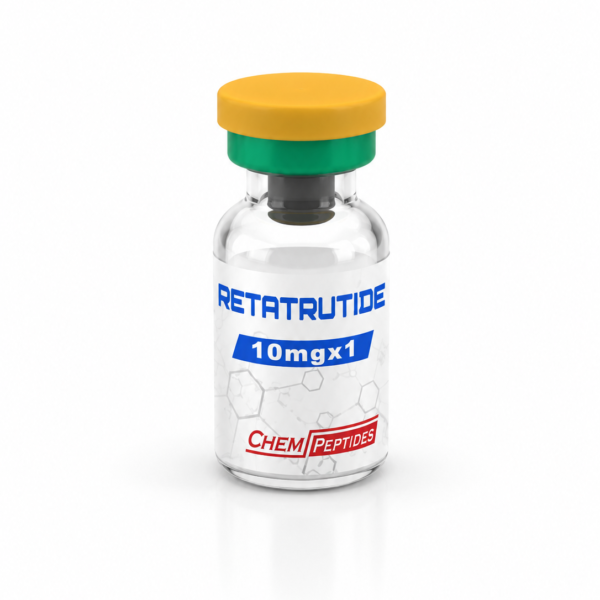
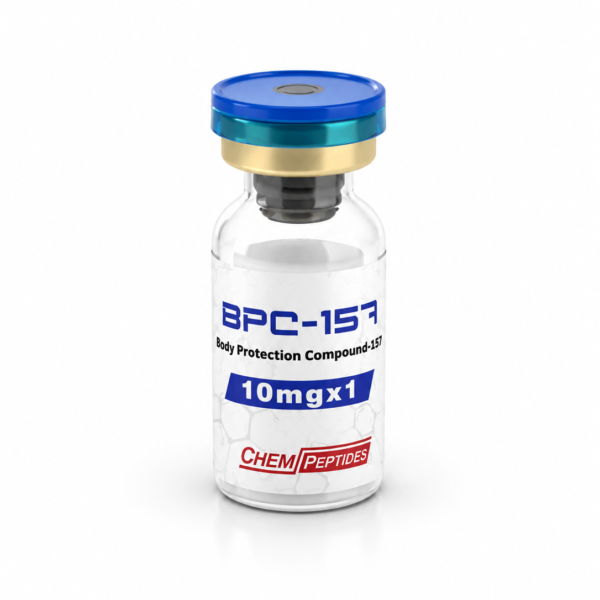
De meest gebruikte research peptiden uit onze catalogus:
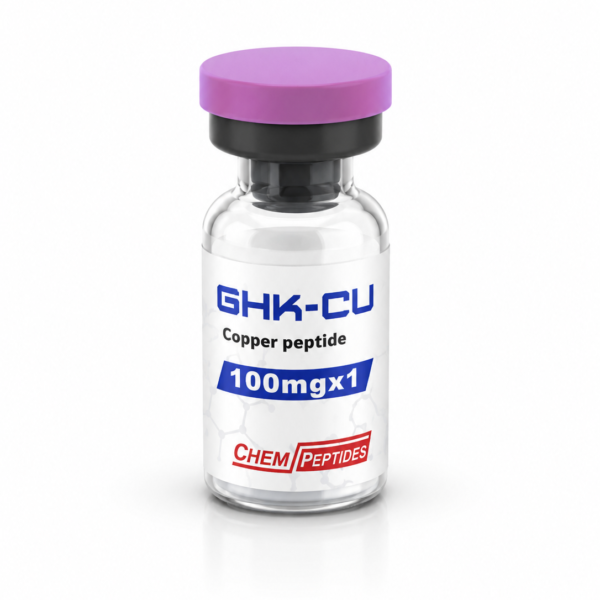
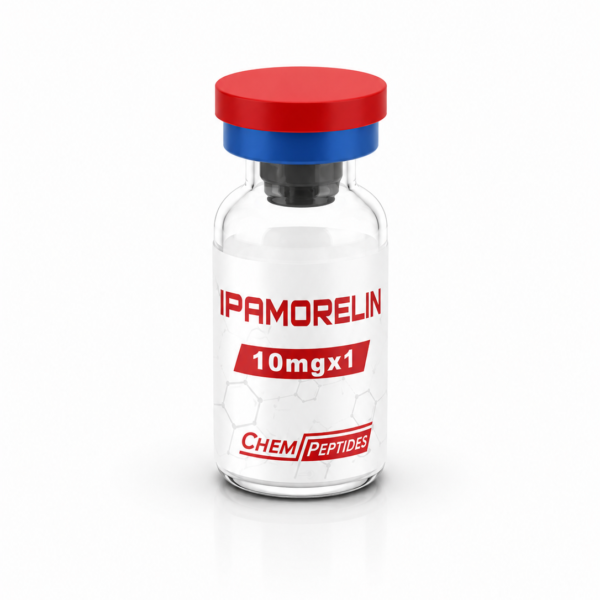
Betalen met iDEAL of Wero. Verzending in discrete verpakking vanuit Nederland. Uitsluitend voor laboratorium- en onderzoeksdoeleinden.