
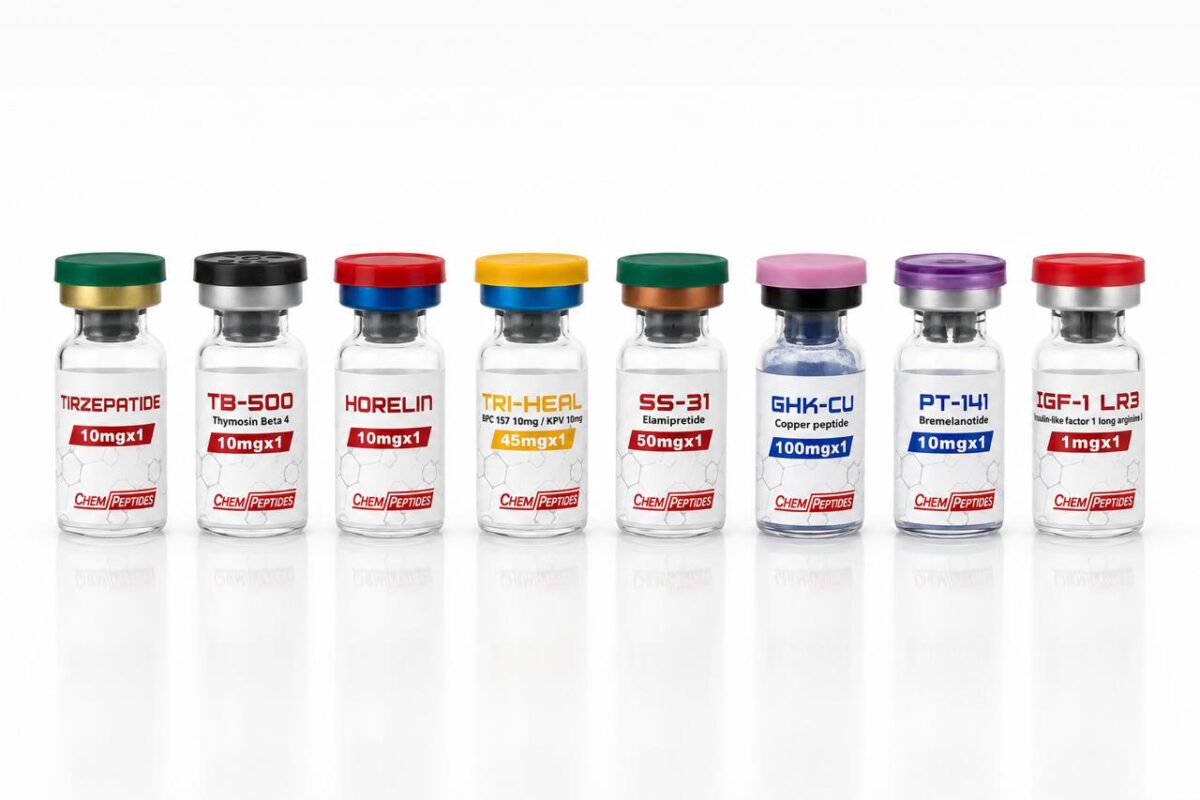
Mounjaro is de merknaam voor tirzepatide, ontwikkeld door Eli Lilly. Het behoort tot een nieuwere klasse dan Ozempic: in plaats van één receptor te activeren, spreekt het er twee aan: GLP-1 en GIP. Het duale mechanisme ontsluit het grotere gewichtsverlies-eindpunt dat in gepubliceerde studies is waargenomen. Dit artikel brengt het mechanisme, de SURMOUNT-onderzoeksdata en de reden waarom twee receptoren beter zijn dan één in kaart.
Wat tirzepatide structureel is
Tirzepatide is een synthetisch peptide van 39 aminozuren met een C20-vetdizuurzijketen die serumalbumine bindt en de plasmahalfwaardetijd verlengt tot ongeveer 5 dagen. De sequentie is ontworpen om zowel de GLP-1-receptor als de receptor voor glucose-dependent insulinotropic polypeptide (GIP) te activeren, met een lichte voorkeur voor GIP bij fysiologische concentraties.
Waarom GLP-1 + GIP GLP-1 alleen verslaat
GLP-1 en GIP zijn de twee belangrijkste incretinehormonen. Ze werken op complementaire wijze:
| Receptor | Primaire effecten (onderzoek) |
|---|---|
| GLP-1R | Eetlustonderdrukking, vertraagde maaglediging, glucoseafhankelijke insulineafgifte |
| GIPR | Insulinesensibilisatie, lipidenverwerking in vetweefsel, mogelijke afzwakking van misselijkheid |
Het activeren van beide produceert additieve metabole effecten. Activatie van de GIP-receptor lijkt ook enkele van de gastro-intestinale bijwerkingen die typisch zijn voor pure GLP-1-agonisme te verminderen, met name misselijkheid.
SURMOUNT-onderzoeksdata: de kerncijfers
SURMOUNT-1 (Jastreboff et al., NEJM 2022) is het meest geciteerde fase 3-resultaat. Volwassenen met obesitas kregen 72 weken lang wekelijks tirzepatide van 5, 10 of 15 mg of placebo. Gemiddeld gewichtsverlies bij de hoogste dosis: 22,5% versus 2,4% met placebo. De dosis van 5 mg produceerde nog steeds 15,0% verlies. SURMOUNT-3 en SURMOUNT-4 breidden deze bevindingen uit naar verschillende cohorten met consistente resultaten.
Hoe zich dat verhoudt tot Ozempic
De STEP 1-studie van semaglutide toonde ongeveer 14,9% verlies na 68 weken. De SURMOUNT-1-studie van tirzepatide toonde 22,5% verlies na 72 weken. Directe head-to-head-data zijn nu ook beschikbaar uit SURPASS-2 (bij diabetes), waaruit blijkt dat tirzepatide semaglutide overtrof op zowel glykemische als gewichtseindpunten.
Farmacokinetisch profiel
- Plasmahalfwaardetijd ~5 dagen, ondersteunt wekelijkse dosering
- Tijd tot piekconcentratie: 8 tot 72 uur na subcutane toediening
- Steady state bereikt na ongeveer 4 weken
- Voornamelijk renale klaring
Bijwerkingenprofiel in studies
De meest gerapporteerde bijwerkingen komen overeen met de incretineklasse: misselijkheid (28% bij 15 mg in SURMOUNT-1), diarree, verminderde eetlust, braken, constipatie. De meeste zijn mild tot matig en nemen af bij voortgezette blootstelling. De duale receptoractivatie lijkt in sommige onderzoeksmodellen lagere misselijkheidspercentages te produceren dan equivalente doses semaglutide.
Mounjaro vs Zepbound: hetzelfde molecuul, ander etiket
Dezelfde naamlogica als bij de semaglutide-merken. Tirzepatide wordt verkocht als Mounjaro voor type 2-diabetes en als Zepbound voor chronisch gewichtsbeheer. Hetzelfde molecuul, hetzelfde dosisbereik, een andere indicatie op de verpakking. Zie onze gedetailleerde merkuitsplitsing.
Opmerkingen over onderzoekshantering
Tirzepatide wordt gelyofiliseerd geleverd. Reconstitutie in bacteriostatisch water bij 5 tot 10 mg/mL is standaard voor stabiliteitsstudies. De sequentie van 39 aminozuren is gevoeliger voor herhaald vriezen en ontdooien dan kortere peptiden: eenmalig vriezen en ontdooien is aanvaardbaar, meerdere cycli tasten de integriteit aan.
Chempeptides levert HPLC-geverifieerd tirzepatide met batchspecifieke CoA, zie de onderzoekscatalogus voor de huidige beschikbaarheid.
Alleen voor onderzoeksdoeleinden. De hierboven samengevatte data zijn afkomstig uit gepubliceerde klinische onderzoeksliteratuur.
Gerelateerd onderzoek
- Tirzepatide vs Mounjaro vs Zepbound 2026: complete vergelijking voor onderzoekers
- GLP-1-agonisten: Tirzepatide vs Semaglutide
- Tirzepatide Doseringsgids: Optimaal Afslankprotocol op Basis van SURMOUNT Data
- Mounjaro vs Ozempic: Tirzepatide vs Semaglutide naast elkaar
- Mounjaro vs Ozempic vs Wegovy: De Complete Vergelijking voor 2026
Research disclaimer▾
Alle informatie op deze pagina is bedoeld voor laboratoriumonderzoek en in-vitro studies. Geen humane consumptie. Geen medische claims. Producten zijn niet goedgekeurd door EMA of FDA voor therapeutisch gebruik.
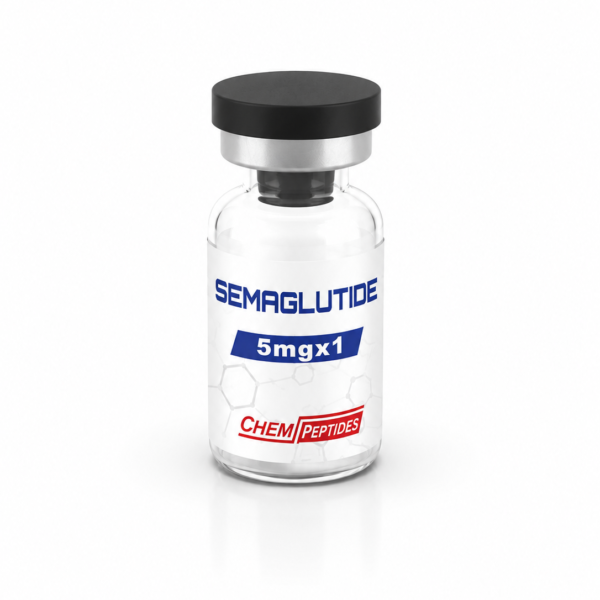
Onderzoeksmateriaal bij dit onderwerp
De peptiden die in metabool en vetverlies-onderzoek het meest worden gebruikt:
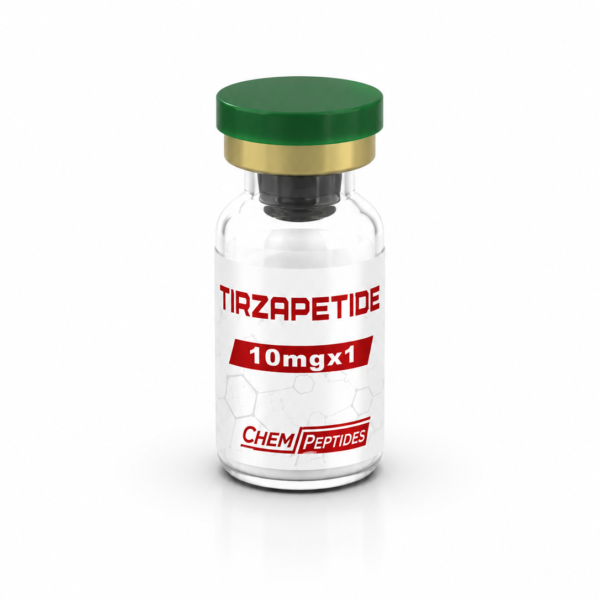
Betalen met iDEAL of Wero. Verzending in discrete verpakking vanuit Nederland. Uitsluitend voor laboratorium- en onderzoeksdoeleinden.