
Ozempic is de merknaam voor semaglutide dat op de markt wordt gebracht door Novo Nordisk. Achter het merk schuilt een van de meest uitvoerig onderzochte peptiden van het afgelopen decennium: een langwerkende GLP-1-receptoragonist die het obesitasonderzoek opnieuw heeft gedefinieerd. Dit artikel ontleedt het mechanisme, de gepubliceerde onderzoeksdata en wat de onderzoeksliteratuur werkelijk laat zien.
Wat semaglutide op moleculair niveau is
Semaglutide is een synthetisch analoog van glucagon-like peptide-1 (GLP-1), een incretinehormoon van 30 aminozuren dat de darm na maaltijden vrijgeeft. Het synthetische peptide wijzigt de natieve sequentie op twee residuen (Aib op positie 8, Arg op positie 34) en hecht een vetzuurzijketen via een glutamaatlinker. Het vetzuur bindt reversibel aan serumalbumine, waardoor de plasmahalfwaardetijd van minuten tot ongeveer 7 dagen wordt verlengd.
Hoe GLP-1-receptoractivatie gewichtsverlies aandrijft
Zodra semaglutide de GLP-1-receptor bindt, convergeren de neerwaartse effecten op drie systemen:
- Centrale eetlustonderdrukking: GLP-1-receptoren in de hypothalamus en hersenstam verminderen hongersignalen en verhogen verzadiging
- Vertraagde maaglediging: voedsel blijft langer in de maag, waardoor het verzadigingsgevoel wordt verlengd
- Glucoseafhankelijke insulinesecretie: verbetert de glykemische controle zonder risico op hypoglykemie in onderzoeksmodellen
De combinatie produceert een aanhoudende vermindering van de calorie-inname. Veranderingen in energieverbruik zijn gering vergeleken met eetlustonderdrukking: semaglutide werkt op de innamekant van de energiebalansvergelijking.
STEP-onderzoeksdata: de gepubliceerde eindpunten
Het STEP-programma (Semaglutide Treatment Effect in People with obesity) omvat meerdere fase 3-studies. Het belangrijkste resultaat uit STEP 1 (Wilding et al., NEJM 2021) rapporteert ongeveer 14,9% vermindering van het lichaamsgewicht na 68 weken met wekelijks 2,4 mg semaglutide bij volwassenen met obesitas, versus 2,4% met placebo. De studies STEP 3, 4 en 5 tonen consistente resultaten over cohorten met alleen dieet, gewichtsbehoud en langere duur.
Waarom de merknaam ertoe doet
Hetzelfde molecuul wordt onder verschillende merken verkocht, afhankelijk van de gereguleerde indicatie:
- Ozempic: 0,25 tot 2,0 mg wekelijks, indicatie type 2-diabetes
- Wegovy: 2,4 mg wekelijks, indicatie chronisch gewichtsbeheer
- Rybelsus: orale tabletvorm voor type 2-diabetes
Hetzelfde molecuul. Verschillende formuleringen en goedgekeurde indicaties. Zie onze merkvergelijking voor de volledige uitsplitsing.
Bijwerkingen in het onderzoeksdossier
De meest gerapporteerde bijwerkingen in de STEP-studies zijn gastro-intestinaal: misselijkheid (44% in STEP 1), diarree, constipatie en braken. De meeste zijn mild tot matig en nemen af bij voortgezette blootstelling. Ernstige voorvallen zijn zeldzaam maar omvatten pancreatitis, galblaascomplicaties en (in diermodellen) C-cel-hyperplasie. Deze data komen uit gepubliceerd klinisch onderzoek, niet uit promotiemateriaal.
Wat de data niet laten zien
Uitkomsten voor gewichtsverlies variëren aanzienlijk tussen individuen. Ongeveer een derde van de STEP 1-deelnemers bereikte ≥20% gewichtsverlies; een ander derde verloor minder dan 10%. Genetische, gedrags- en dosistitratiefactoren verklaren een deel van de variantie. De duurzaamheid op lange termijn na 2 jaar blijft in onderzoek.
Opmerkingen over onderzoekshantering
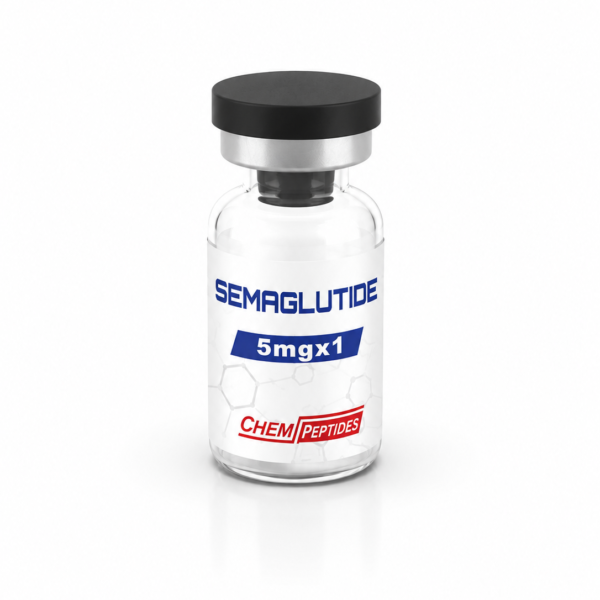
Semaglutide wordt gelyofiliseerd geleverd voor onderzoekstoepassingen. Reconstitutie in bacteriostatisch water bij 5 tot 10 mg/mL is gebruikelijk voor stabiliteitsprotocollen. Zie onze gids voor oplosmiddelvergelijking voor protocoldetails.
Chempeptides levert HPLC-geverifieerd semaglutide met batchspecifieke CoA, zie de onderzoekscatalogus voor de huidige beschikbaarheid.
Alleen voor onderzoeksdoeleinden. De hierboven samengevatte literatuur is afkomstig uit gepubliceerd klinisch onderzoek. Dit artikel is geen medisch advies.
Gerelateerd onderzoek
- Ozempic vs Wegovy vs Rybelsus: semaglutide-merkvergelijking
- CagriSema (Cagrilintide + Semaglutide): 22.7% Gewichtsverlies in REDEFINE-1
- Mounjaro vs Ozempic: Tirzepatide vs Semaglutide naast elkaar
- Tirzepatide vs Semaglutide: gids voor cyclusplanning
- GLP-1-agonisten: Tirzepatide vs Semaglutide
Research disclaimer▾
Alle informatie op deze pagina is bedoeld voor laboratoriumonderzoek en in-vitro studies. Geen humane consumptie. Geen medische claims. Producten zijn niet goedgekeurd door EMA of FDA voor therapeutisch gebruik.
Onderzoeksmateriaal bij dit onderwerp
De peptiden die in metabool en vetverlies-onderzoek het meest worden gebruikt:
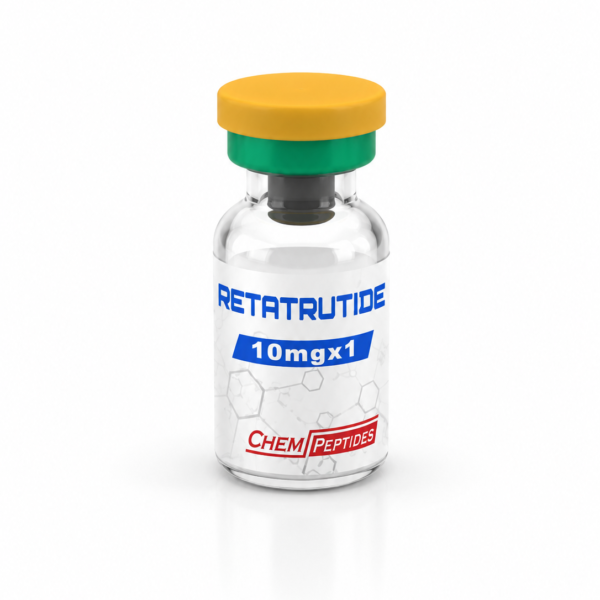
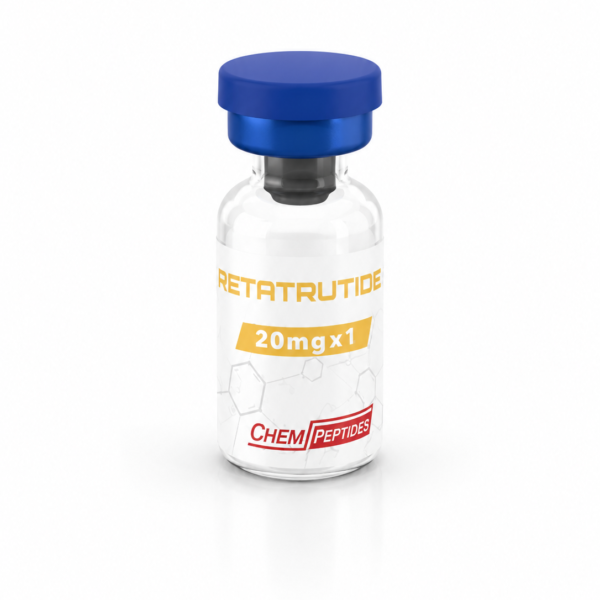
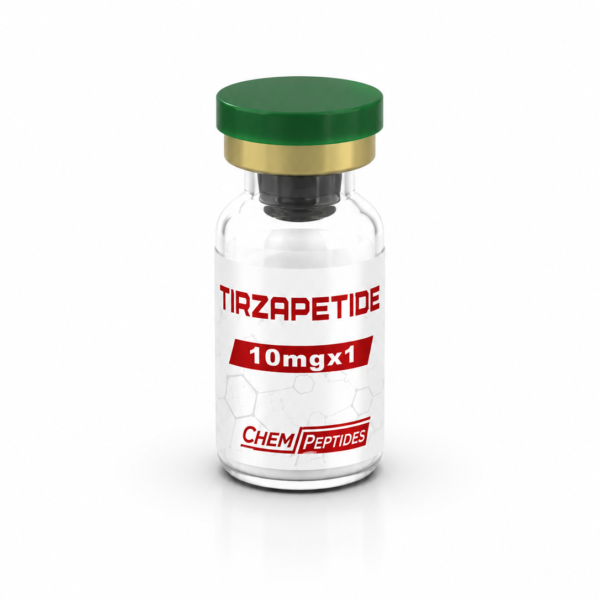
Betalen met iDEAL of Wero. Verzending in discrete verpakking vanuit Nederland. Uitsluitend voor laboratorium- en onderzoeksdoeleinden.