
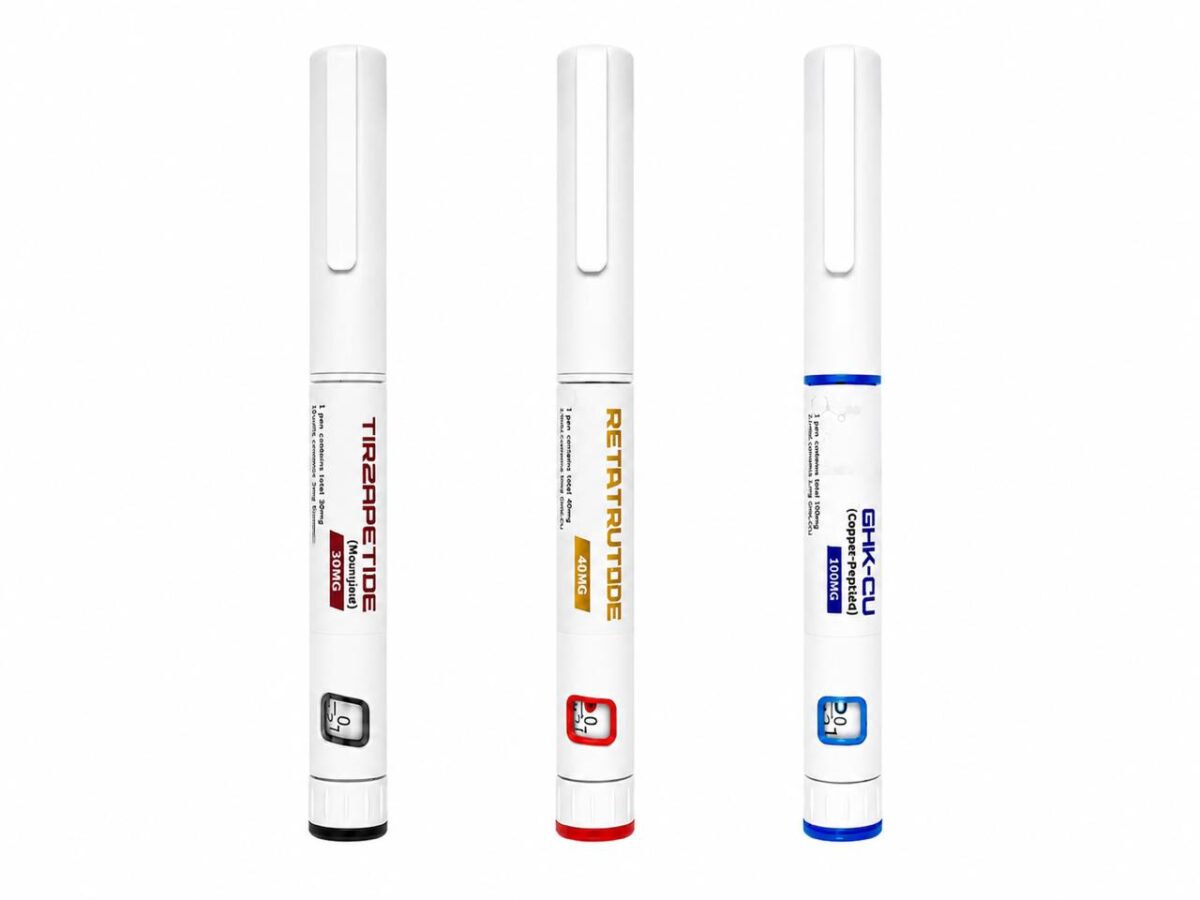
Melanotan II (MT-II) is een synthetisch cyclisch heptapeptide-analoog van α-melanocyt-stimulerend hormoon (α-MSH). Oorspronkelijk in de jaren 80 ontwikkeld aan de University of Arizona als een kandidaat-fotoprotectieve verbinding, is het een niet-selectieve agonist over de melanocortinereceptorfamilie. Het element “routes in kaart gebracht” is wat serieuze onderzoeksliteratuur onderscheidt van populaire beeldvorming.
Sequentie en structuur
Melanotan II: Ac-Nle-cyclo(Asp-His-D-Phe-Arg-Trp-Lys)-NH₂. De cyclische ruggengraat (lactambrug tussen Asp² en Lys⁷) verleent proteaseresistentie en vergrendelt het peptide in een actieve receptorbindende conformatie.
De melanocortinereceptorfamilie
Vijf G-eiwitgekoppelde receptoren vormen de melanocortinefamilie: MC1R, MC2R, MC3R, MC4R en MC5R. Elk heeft een eigen weefselverdeling en fysiologische rol.
| Receptor | Weefselverdeling | Primaire functie (onderzoek) |
|---|---|---|
| MC1R | Melanocyten | Eumelaninesynthese (huidpigmentatie) |
| MC2R | Bijnierschors | Cortisolafgifte (ACTH-gedreven) |
| MC3R | Hypothalamus, immuuncellen | Energiehomeostase, ontsteking |
| MC4R | CZS, hypothalamus | Eetlust, seksuele functie, autonome tonus |
| MC5R | Exocriene klieren, immuuncellen | Talgsecretie, zweetregulatie |
Het bindingsprofiel van Melanotan II
MT-II is niet-selectief: het activeert MC1R, MC3R, MC4R en MC5R met vergelijkbare potentie, terwijl MC2R-activatie het grotere ACTH-peptide vereist. De niet-selectiviteit is precies wat MT-II nuttig maakt als onderzoeksprobe maar de therapeutische specificiteit beperkt.
MC1R en melanogenese-onderzoek
De MC1R-route is de meest bestudeerde. Activatie triggert adenylylcyclase, verhoogt intracellulair cAMP en reguleert microphthalmia-associated transcription factor (MITF) omhoog. MITF stuurt de expressie van tyrosinase en verwante enzymen die eumelanine produceren. Onderzoeksmodellen bevestigen dat MC1R-activatie de melanineproductie verhoogt onafhankelijk van UV-blootstelling, een belangrijke bevinding in het oorspronkelijke fotoprotectie-onderzoeksprogramma.
MC4R-route: eetlust en centrale effecten
MC4R-activatie in hypothalamische kernen vermindert de voedselinname en verhoogt het energieverbruik in onderzoeksmodellen. Dit is dezelfde receptor die setmelanotide (een selectieve MC4R-agonist) target in klinisch obesitasonderzoek. De MC4R-activatie van MT-II is deels waarom eetlustonderdrukking wordt gerapporteerd bij onderzoeksdieren, maar de niet-selectiviteit maakt het een grof instrument vergeleken met setmelanotide.
MC3R en ontsteking
MC3R komt tot expressie in macrofagen en andere immuuncellen. Onderzoek suggereert dat MC3R-activatie de afgifte van pro-inflammatoire cytokinen omlaag reguleert. De route is minder goed gekarakteriseerd dan MC1R of MC4R maar is een actief onderzoeksgebied binnen de melanocortine.
MC5R en exocriene functie
MC5R-activatie in talg- en exocriene weefsels verandert de secretoire functie. Minder centraal in het meeste MT-II-onderzoek maar gedocumenteerd.
Stabiliteit en reconstitutie
MT-II wordt gelyofiliseerd geleverd. Reconstitutie in bacteriostatisch water bij 1 tot 2 mg/mL is standaard. De cyclische ruggengraat verleent een goede stabiliteit: gekoeld behoudt gereconstitueerd MT-II gedurende ongeveer 4 weken zijn potentie. Bescherm tegen licht om fotodegradatie van het tryptofaanresidu te voorkomen.
Openstaande onderzoeksvragen
- Receptordesensibilisatie op lange termijn over de melanocortinefamilie
- Weefselspecifieke selectiviteitsstrategieën (MT-II vs Setmelanotide vs PT-141)
- Interactie-effecten wanneer meerdere MC-receptoren gelijktijdig worden geactiveerd
Chempeptides levert HPLC-geverifieerd Melanotan II met batch-CoA, zie de onderzoekscatalogus. Alleen voor onderzoeksdoeleinden.
Gerelateerd onderzoek
- PT-141 vs Melanotan II: selectieve versus pan-melanocortine-activatie
- Melanotan II onderzoek: tanning, libido en eetlust via melanocortine receptoren
- PT-141 (Bremelanotide): selectief MC4R-onderzoek
- Receptorbindingsassays: hoe peptidefarmacologie wordt bestudeerd in celkweek
Research disclaimer▾
Alle informatie op deze pagina is bedoeld voor laboratoriumonderzoek en in-vitro studies. Geen humane consumptie. Geen medische claims. Producten zijn niet goedgekeurd door EMA of FDA voor therapeutisch gebruik.
Onderzoeksmateriaal bij dit onderwerp
De peptiden die in huid- en collageenonderzoek het meest worden gebruikt:
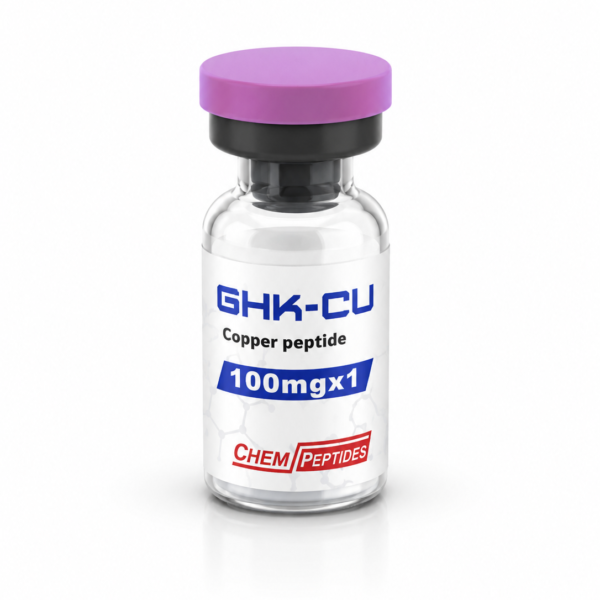 GHK-Cu 100mg€ 90,00
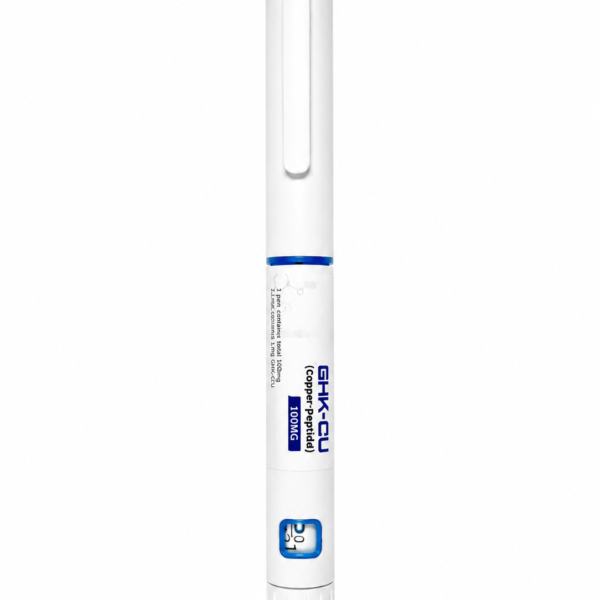 GHK-Cu 100mg Pre-filled Pen€ 110,00
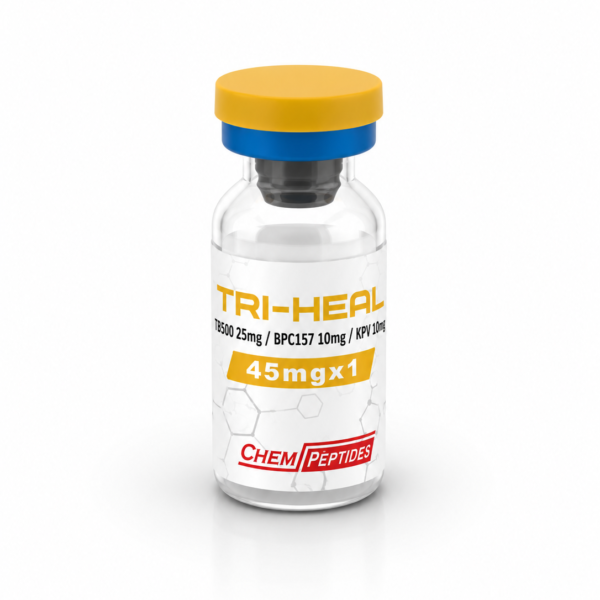 Tri-Heal TB-500 + BPC-157 + KPV 25/10/10mg€ 140,00
Betalen met iDEAL of Wero. Verzending in discrete verpakking vanuit Nederland. Uitsluitend voor laboratorium- en onderzoeksdoeleinden.