Het reconstitutieprotocol is waar de meeste afbraak van onderzoekspeptiden plaatsvindt, niet tijdens verzending, niet tijdens opslag. Een vial die binnenkomt op HPLC ≥98% kan binnen enkele uren na een slechte reconstitutietechniek dalen tot 70% potentie. Dit zijn de zeven fouten die dit veroorzaken, en de oplossingen.
Fout 1: een koude vial rechtstreeks uit de vriezer reconstitueren
Gelyofiliseerde peptidevials die bij -20°C zijn opgeslagen, moeten vóór reconstitutie op kamertemperatuur worden gebracht. Het injecteren van oplosmiddel in een koude vial veroorzaakt condensatie op de peptidekoek, waardoor water ongelijkmatig wordt vastgehouden en de gelyofiliseerde structuur wordt verstoord. Gevolg: onvolledige oplossing en plaatselijke hydratatie die de afbraak versnelt.
Oplossing: Haal de vial 15 tot 20 minuten vóór reconstitutie uit de vriezer. Laat de vial met de verzegeling intact opwarmen tot kamertemperatuur.
Fout 2: oplosmiddel rechtstreeks op de peptidekoek injecteren
Een straal bacteriostatisch water met hoge snelheid die de gelyofiliseerde koek raakt, veroorzaakt mechanische afschuiving die langere peptideketens fragmenteert. Het eiwit lijkt sneller op te lossen, maar ten koste van verbroken bindingen.
Oplossing: Houd de spuit onder een hoek om het oplosmiddel langs de binnenwand van de vial te leiden. Laat het samenvloeien en de koek van onderaf oplossen. Kost 2 minuten extra, bespaart potentie.
Fout 3: schudden in plaats van zwenken
Vortexmengen of agressief schudden creëert schuim. Schuim is een lucht-vloeistofgrensvlak, en lucht-vloeistofgrensvlakken zijn waar peptiden het snelst denatureren. Het schuim verdwijnt, maar de structurele schade aan het peptide blijft.
Oplossing: Zwenk voorzichtig in een cirkelvormige beweging tot de koek volledig is opgelost. De meeste peptiden reconstitueren in 5 tot 10 minuten voorzichtig zwenken.
Fout 4: laboratoriumwater gebruiken in plaats van oplosmiddel van farmacopee-kwaliteit
“Steriel water” uit een fles op de werkbank is geen steriel water voor injectie. Kraan-gedestilleerd of gefilterd laboratoriumwater draagt endotoxinebelastingen en opgeloste gassen die onderzoekspeptiden verontreinigen. Het peptide reconstitueert, de data niet.
Oplossing: Steriel water of bacteriostatisch water voor injectie van USP- of Ph. Eur.-kwaliteit. Altijd.
Fout 5: gereconstitueerd peptide vriezen en ontdooien
Zodra een peptide in oplossing is, veroorzaakt bevriezing de vorming van ijskristallen die het molecuul fysiek verstoren. Ontdooien stelt het peptide bloot aan een temperatuurgradiënt en een concentratieverschuiving naarmate het ijs smelt. Drie vries-dooicycli kunnen de potentie met 20 tot 40% verminderen, afhankelijk van de sequentie.
Oplossing: Reconstitueer het volume dat je binnen het opslagvenster zult gebruiken (4 weken gekoeld voor oplossingen met bacteriostatisch water). Vries gereconstitueerde oplossingen niet in, tenzij je protocol dit specifiek vereist en je kleine aliquots voor eenmalig gebruik gebruikt.
Fout 6: opslaan in heldere vials onder werkbanklicht
UV- en zichtbaar licht breken tryptofaan-, methionine- en cysteïneresiduen af via oxidatie. Een gereconstitueerd peptide dat een middag lang op de werkbank onder tl-verlichting blijft liggen, kan tegen de volgende ochtend meetbare potentie verliezen.
Oplossing: Amberkleurige vials of wikkel heldere vials in folie. Koel in het donker. Bewaar gereconstitueerd peptide nooit op de open werkbank.
Fout 7: de vialverzegeling herhaaldelijk doorprikken
Elke doorprikking tast de integriteit van de verzegeling aan. Luchtintrede in de loop van de tijd oxideert peptiden, vooral methioninebevattende sequenties. Multi-use-protocollen met bacteriostatisch water zijn hiervoor ontworpen, maar cumulatieve doorprikkingen blijven van belang.
Oplossing: Gebruik telkens hetzelfde toegangspunt. Beperk doorprikkingen tot eenmaal per dag. Gooi vials weg waarvan het septum zichtbaar aangetast lijkt.
De 30-seconden protocolsamenvatting
- Breng de vial op kamertemperatuur
- Houd de spuit onder een hoek langs de vialwand
- Injecteer langzaam
- Zwenk voorzichtig, niet schudden
- Wacht 5 tot 10 minuten
- Label met datum en concentratie
- Bewaar gekoeld, in het donker
Chempeptides levert HPLC-geverifieerde peptiden met batchspecifieke CoA, zodat je het uitgangsmateriaal kunt vertrouwen. Een goede reconstitutietechniek behoudt het. Zie de onderzoekscatalogus of onze oplosmiddelvergelijking voor protocoldiepgang.
Alleen voor onderzoeksdoeleinden.
Gerelateerd onderzoek
- Gelyofiliseerde vs vloeibare peptiden: reconstitutiegids voor onderzoekers
- Lyofilisatie en reconstitutie van onderzoekspeptiden: de wetenschap van vriesdrogen en bacteriostatisch water
- Bacteriostatisch water vs steriel water: vergelijking van reconstitutie-oplosmiddelen voor peptiden
- Peptide-opslagprotocollen: maximale houdbaarheid in het lab
- EU-douane en onderzoekspeptiden: gids voor importeurs
Research disclaimer▾
Alle informatie op deze pagina is bedoeld voor laboratoriumonderzoek en in-vitro studies. Geen humane consumptie. Geen medische claims. Producten zijn niet goedgekeurd door EMA of FDA voor therapeutisch gebruik.
Research-grade materiaal bij Chempeptides
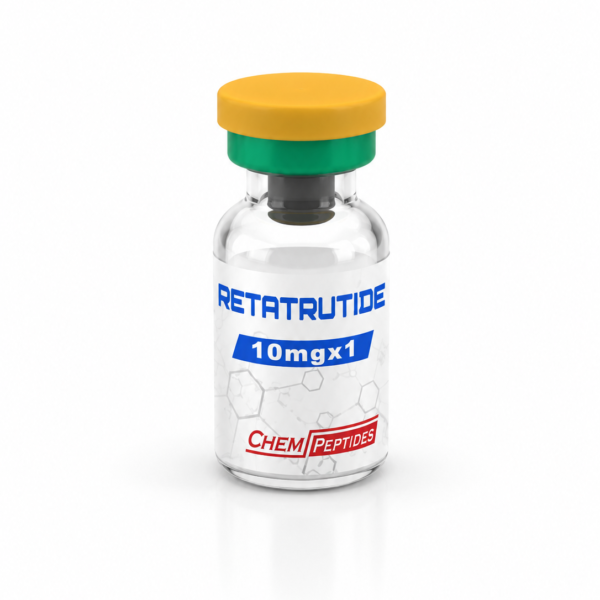
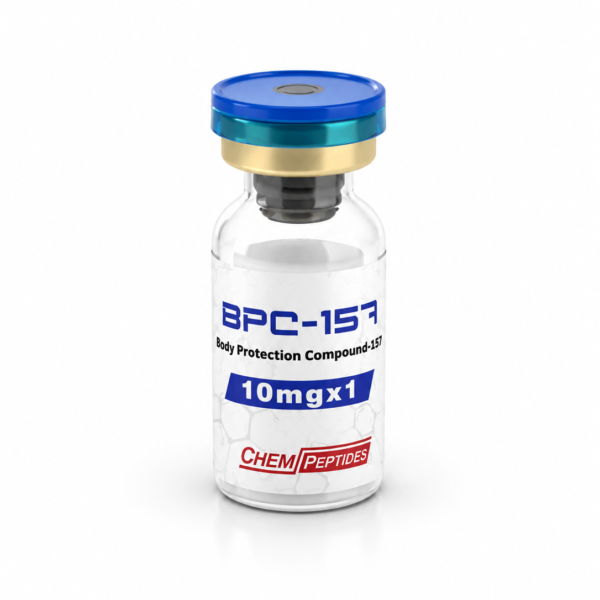
De meest gebruikte research peptiden uit onze catalogus:
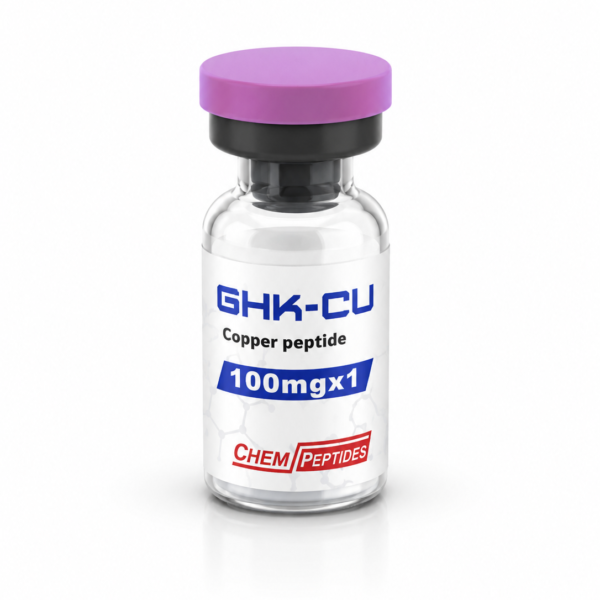
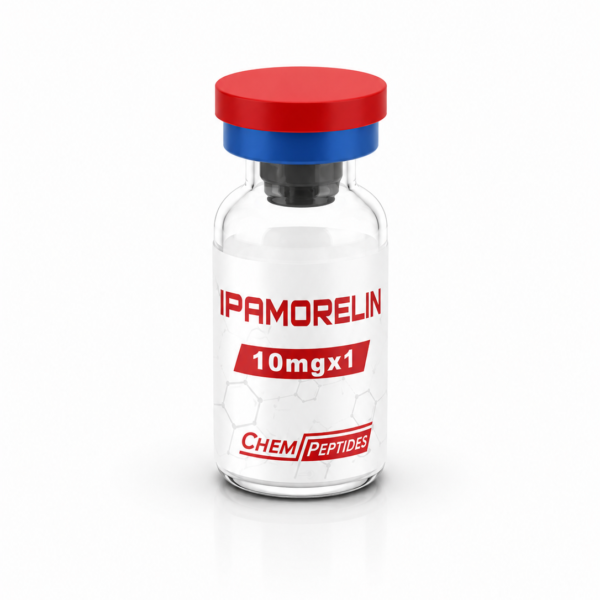
Betalen met iDEAL of Wero. Verzending in discrete verpakking vanuit Nederland. Uitsluitend voor laboratorium- en onderzoeksdoeleinden.