De keuze van het reconstitutieoplosmiddel is een van de meest ingrijpende beslissingen in een peptidenonderzoeksprotocol, en een van de meest over het hoofd geziene. Bacteriostatisch water en gewoon steriel water zijn niet onderling uitwisselbaar. Ze hebben verschillende chemische profielen, stabiliteitsimplicaties en contaminatierisicovensters. Deze vergelijking loopt door wanneer elk geschikt is.
Wat bacteriostatisch water werkelijk is
Bacteriostatisch water voor injectie (BWFI) is steriel water dat 0,9% benzylalcohol als bacteriostatisch conserveermiddel bevat. De benzylalcohol remt bacteriegroei in de vial nadat de verzegeling voor het eerst is doorboord, en daarom kan één BWFI-vial gedurende maximaal 28 dagen onder koeling herhaaldelijk worden aangesproken zonder microbiële contaminatie.
Wat steriel water voor injectie is
Steriel water voor injectie (SWFI) is eveneens pyrogeenvrij en steriel gefiltreerd, maar bevat geen conserveermiddel. Zodra de verzegeling is verbroken, stijgt het contaminatierisico snel; de meeste farmacopee-richtlijnen adviseren eenmalig gebruik of gebruik binnen 24 uur.
Stabiliteitsimpact op peptiden
Benzylalcohol is licht zuur en kan interageren met bepaalde peptidesequenties. Voor de meeste onderzoekspeptiden (BPC-157, TB-500, ipamorelin, CJC-1295) is de interactie verwaarloosbaar over standaard opslagvensters. Voor sequenties met gevoelige disulfidebruggen of specifieke tryptofaanresiduen die risico op oxidatie lopen, verdient gewoon steriel water de voorkeur.
Sequenties die doorgaans in bacteriostatisch water worden gereconstitueerd:
- BPC-157
- TB-500 / TB-4
- Ipamorelin
- CJC-1295 (met of zonder DAC)
- Ibutamoren / MK-677
- De meeste GLP-1 / GIP / glucagon-receptoragonisten
Sequenties waarbij steriel water vaak de voorkeur heeft:
- Selank, Semax (in sommige protocollen gevoelig voor conserveermiddelen)
- Sequenties met meerdere cysteïneresiduen die disulfidebruggen vormen
- Cosmetische peptiden die worden getest in huidcelmodellen waar benzylalcohol de uitkomst kan verstoren
De concentratieberekening is hetzelfde
Beide oplosmiddelen zijn waterig, dus reconstitueren bij een gegeven concentratie in mg/mL is wiskundig identiek. De keuze gaat tussen contaminatierisico (steriel water) en degradatie-interactierisico (bacteriostatisch water).
Opslagvensters na reconstitutie
| Oplosmiddel | Gekoeld (2 tot 8°C) | Bevroren (-20°C) |
|---|---|---|
| Bacteriostatisch water | 28 dagen | niet aanbevolen (precipitatierisico) |
| Steriel water | 24 uur (of tot gebruik) | niet aanbevolen |
Praktisch protocol
- Bevestig dat het gelyofiliseerde peptide op kamertemperatuur is voor reconstitutie (voorkomt condensatie in de vial)
- Injecteer het oplosmiddel langzaam langs de binnenwand van de vial, nooit direct op de peptidekoek
- Zwenk voorzichtig, schud niet (voorkomt schuim en afschuifspanning op lange peptiden)
- Geef 5 tot 10 minuten voor volledige oplossing
- Etiketteer met reconstitutiedatum en concentratie
- Bewaar gekoeld en beschermd tegen licht
Het korte antwoord
Bacteriostatisch water voor de meeste meerdaagse onderzoeksprotocollen. Steriel water voor gevoelige assays voor eenmalig gebruik of sequenties met bekende conserveermiddelinteracties. Beide moeten van USP/Ph. Eur.-kwaliteit zijn, geen water van laboratoriumkwaliteit met op de labtafel geïmproviseerde antibacteriële additieven.
Chempeptides verzendt onderzoekspeptiden klaar voor reconstitutie. Zie de catalogus en onze CoA-decoder voor batchverificatie.
Alleen voor onderzoeksdoeleinden.
Gerelateerd onderzoek
- Lyofilisatie en reconstitutie van onderzoekspeptiden: de wetenschap van vriesdrogen en bacteriostatisch water
- 7 reconstitutiefouten die onderzoekspeptiden afbreken
- Gelyofiliseerde tegenover vloeibare peptiden: een reconstitutiegids voor onderzoekers
- Peptide-opslagprotocollen: houdbaarheid maximaliseren in het lab
- Chempeptides tegenover Pure Lab Peptides: vergelijking van catalogus en kwaliteit
Research disclaimer▾
Alle informatie op deze pagina is bedoeld voor laboratoriumonderzoek en in-vitro studies. Geen humane consumptie. Geen medische claims. Producten zijn niet goedgekeurd door EMA of FDA voor therapeutisch gebruik.
Research-grade materiaal bij Chempeptides
De meest gebruikte research peptiden uit onze catalogus:
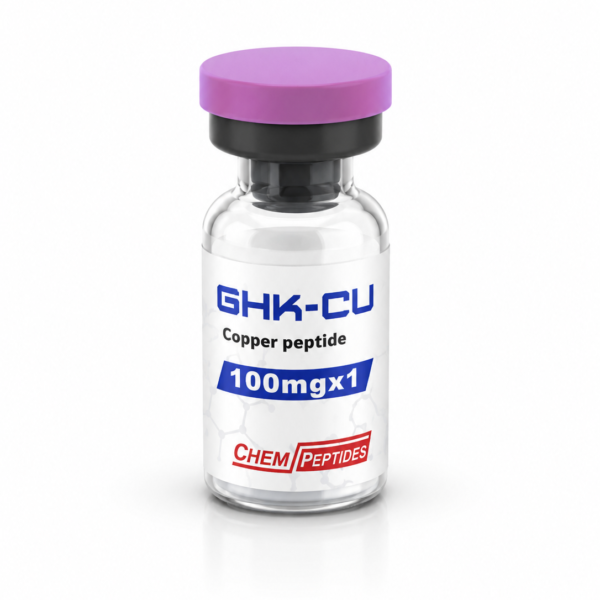
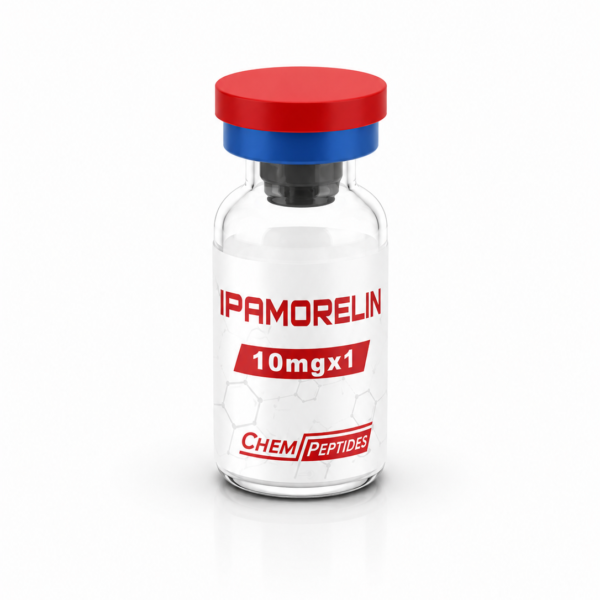
Betalen met iDEAL of Wero. Verzending in discrete verpakking vanuit Nederland. Uitsluitend voor laboratorium- en onderzoeksdoeleinden.