Een Certificate of Analysis (CoA) is geen optionele documentatie. Het is het enige verifieerbare bewijs dat de vial in je vriezer overeenkomt met het molecuul op het etiket. Toch scannen de meeste onderzoekers ze slechts vluchtig. Deze decoder loopt elke regel door die je zou moeten lezen en wat elke waarde je vertelt over de batch.
1. Batchnummer en datum
De CoA moet verwijzen naar de specifieke batch die aan jou is verzonden. Een leveranciersbrede template is een waarschuwingssignaal: het betekent dat je naar marketingmateriaal kijkt, niet naar analytische data. De datum op de CoA moet binnen enkele maanden van verzending liggen, idealiter binnen de laatste 90 dagen voor gevoelige sequenties.
2. HPLC-chromatogram en zuiverheidspercentage
Reversed-phase HPLC scheidt het doelpeptide van onzuiverheden en rapporteert de zuiverheid als percentage van het totale piekoppervlak. Let op:
- Eén dominante piek op de verwachte retentietijd (doorgaans 5 tot 15 minuten voor korte peptiden)
- Zuiverheid ≥98%: alles daaronder introduceert onbekende variabelen
- Een schone basislijn met minimale ruis
- Geen prominente secundaire pieken naast de hoofdpiek (wijst op deletiesequenties of oxidatie)
3. Massaspectrometrie: bevestiging van de molecuulmassa
Massaspectrometrie bevestigt dat de piek die je hebt gemeten daadwerkelijk het molecuul is dat je hebt besteld. Let op een waargenomen massa binnen ±0,5 Da van de theoretische waarde voor korte peptiden, ±2 Da voor langere sequenties. Een massa-afwijking buiten dat bereik wijst op onjuiste synthese of post-synthetische modificatie (oxidatie, deamidatie).
4. Watergehalte (Karl Fischer-titratie)
Gelyofiliseerde peptiden houden gebonden water vast dat de netto peptidemassa beïnvloedt. Karl Fischer-titratie meet het watergehalte als percentage. Verwacht 4 tot 10% voor correct gelyofiliseerd materiaal. Een hoger watergehalte betekent minder peptide per vial dan het etiket suggereert, wat rechtstreeks je reconstitutieberekening beïnvloedt.
5. Peptidegehalte (netto peptidebepaling)
Het netto peptidegehalte is het percentage van de vialmassa dat het daadwerkelijke peptide is, na aftrek van tegenionen (TFA, acetaat), water en overige residuen. Verwacht 75 tot 90% voor de meeste gelyofiliseerde onderzoekspeptiden. De CoA moet dit expliciet rapporteren; als dat niet gebeurt, laat de leverancier je gissen.
6. Tegenionengehalte
Peptiden die via vastefase-peptidesynthese (SPPS) worden gemaakt, worden doorgaans gezuiverd met ionenwisseling, waarbij residuele TFA- of acetaat-tegenionen achterblijven. De CoA moet het type en percentage tegenion rapporteren. Blootstelling aan TFA bij hoge concentraties beïnvloedt celgebaseerde assays; acetaatwisseling heeft de voorkeur voor gevoelig in-vitrowerk.
7. Opmerkingen over uiterlijk en oplosbaarheid
Een witte tot gebroken witte gelyofiliseerde koek is standaard. Vergeling wijst op oxidatie. De CoA moet de oplosbaarheid in standaardoplosmiddelen (water, DMSO, azijnzuur) vermelden; dit bespaart trial-and-error tijdens de reconstitutie.
8. Verklaring over opslag en houdbaarheid
Aanbevolen opslagomstandigheden en vervaldatum horen op elke CoA te staan. Standaardaanbeveling: gelyofiliseerd peptide bij -20°C in een verzegelde vial, beschermd tegen licht, stabiel gedurende 12 tot 24 maanden afhankelijk van de sequentie.
De één-pagina-snuffeltest
Een complete CoA past op één pagina en bevat: batchnummer, synthesedatum, HPLC-chromatogram met zuiverheidspercentage, massaspectrum met waargenomen en theoretische massa’s, watergehalte, peptidegehalte, tegeniongegevens, uiterlijk, opmerkingen over oplosbaarheid en opslagadvies. Ontbreekt een van die punten, dan draait de leverancier geen volledig QC-protocol, of verbergt hij de data.
Chempeptides publiceert batchspecifieke CoA’s op elke productpagina. Blader door de onderzoekscatalogus om de actuele batches te inspecteren voordat je bestelt.
Alleen voor onderzoeksdoeleinden.
Gerelateerd onderzoek
- Certificate of Analysis (CoA) voor onderzoekspeptiden: wat elk laboratorium moet verifiëren
- HPLC Zuiverheid van 99 Procent: Waarom Het Verschil Maakt Bij Onderzoek-Grade Peptides
- Wegovy Bijwerkingen: De Complete Gids op Basis van Klinisch Onderzoek 2026
- Analytische standaarden in peptidenonderzoek: wat een onderzoeksleverancier onderscheidt van een reseller
- Receptorbindingsassays: hoe peptidefarmacologie in celkweek wordt onderzocht
Research disclaimer▾
Alle informatie op deze pagina is bedoeld voor laboratoriumonderzoek en in-vitro studies. Geen humane consumptie. Geen medische claims. Producten zijn niet goedgekeurd door EMA of FDA voor therapeutisch gebruik.
Research-grade materiaal bij Chempeptides
De meest gebruikte research peptiden uit onze catalogus:
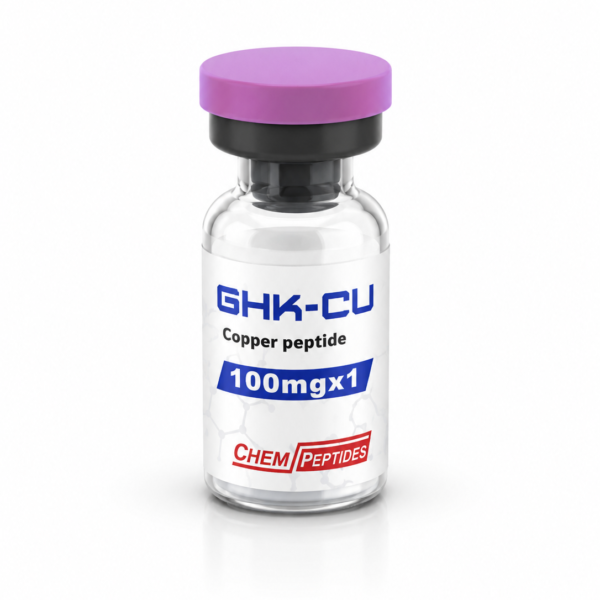
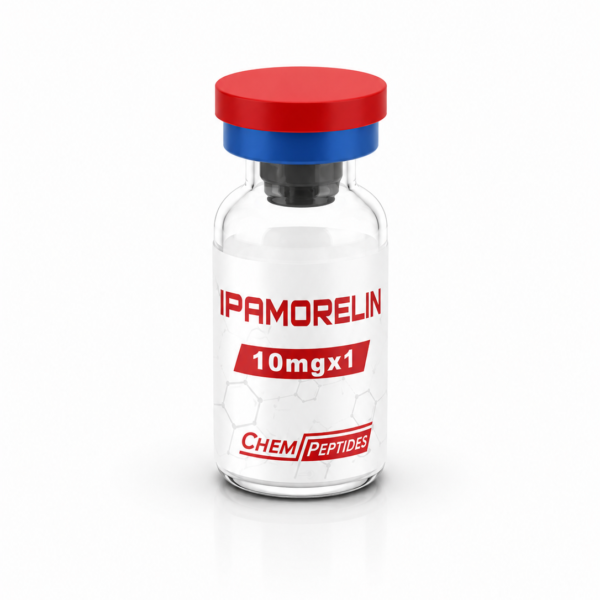
Betalen met iDEAL of Wero. Verzending in discrete verpakking vanuit Nederland. Uitsluitend voor laboratorium- en onderzoeksdoeleinden.