Ozempic, Wegovy en Rybelsus zijn drie verschillende merknamen voor hetzelfde werkzame molecuul: semaglutide. Novo Nordisk brengt ze verschillend op de markt omdat de registratie-indicaties, doseringsbereiken en toedieningswegen verschillen. Vanuit onderzoeksperspectief verheldert het weten wat hen onderscheidt de gepubliceerde onderzoeksdata en voorkomt het verwarring.
Het gedeelde molecuul
Alle drie bevatten semaglutide: een langwerkende GLP-1-receptoragonist met een plasmahalfwaardetijd van ~7 dagen. De moleculaire structuur is identiek voor alle merken. Wat verschilt, is de dosissterkte, de toedieningsweg en het goedgekeurde gebruik.
Ozempic: het diabetesmerk
| Kenmerk | Detail |
|---|---|
| Indicatie | Type 2-diabetes |
| Toedieningsweg | Subcutane injectie, wekelijks |
| Doseringsbereik | 0,25 mg → 0,5 mg → 1,0 mg → 2,0 mg wekelijks |
| Onderzoeksprogramma | SUSTAIN (diabeteseindpunten) |
De maximaal goedgekeurde dosis voor Ozempic is 2,0 mg wekelijks. Gewichtsverlies is een gedocumenteerde bijwerking, maar niet het primaire eindpunt.
Wegovy: het gewichtsbeheersingsmerk
| Kenmerk | Detail |
|---|---|
| Indicatie | Chronische gewichtsbeheersing bij obesitas |
| Toedieningsweg | Subcutane injectie, wekelijks |
| Doseringsbereik | 0,25 mg → 0,5 mg → 1,0 mg → 1,7 mg → 2,4 mg wekelijks |
| Onderzoeksprogramma | STEP (gewichtsverlieseindpunten) |
Wegovy bereikt een hogere maximale dosis (2,4 mg) dan Ozempic. Het STEP-onderzoeksprogramma stelde het eindpunt van ~14,9% gewichtsverlies vast dat de positionering van het merk bepaalt.
Rybelsus: de orale tablet
| Kenmerk | Detail |
|---|---|
| Indicatie | Type 2-diabetes |
| Toedieningsweg | Orale tablet, dagelijks |
| Doseringsbereik | 3 mg → 7 mg → 14 mg dagelijks |
| Onderzoeksprogramma | PIONEER |
Rybelsus is de enige orale GLP-1-agonist op de markt. De orale biobeschikbaarheid van peptiden is normaal gesproken vrijwel nul; Rybelsus lost dit op met een mee-geformuleerde absorptieversterker (SNAC, natrium-N-(8-(2-hydroxybenzoyl)amino)caprylaat) die de tight junctions in de maag openzet. De biobeschikbaarheid blijft laag (~1%), en daarom bedragen de orale doses 14 mg tegenover 2,4 mg subcutaan.
Waarom hetzelfde molecuul drie merken nodig heeft
Registraties zijn in veel landen indicatiespecifiek. Een geneesmiddel dat is goedgekeurd voor diabetes mag niet voor gewichtsverlies worden verkocht zonder een afzonderlijk onderzoeksprogramma en goedkeuring. Novo Nordisk voerde de SUSTAIN-onderzoeken uit voor diabetes (→ Ozempic, orale versie → Rybelsus) en de STEP-onderzoeken voor gewichtsbeheersing (→ Wegovy). Hetzelfde molecuul, drie goedgekeurde toepassingen, drie merknamen.
Praktische implicaties voor onderzoek
Voor onderzoekers die semaglutide bestuderen:
- Subcutaan onderzoek bij doses die overeenkomen met gewichtsbeheersing verwijst naar het eindpunt van 2,4 mg wekelijks
- Subcutaan onderzoek bij doses die overeenkomen met diabetes gebruikt het bereik van 1 tot 2 mg
- Oraal onderzoek is conceptueel verschillend: de beperkte biobeschikbaarheid zorgt voor andere farmacokinetische profielen
Wat dit betekent voor catalogusvermeldingen
Onderzoekscatalogi van peptiden vermelden “semaglutide”: het molecuul. De merknamen zijn regulatoire en marketingconstructies. Chempeptides levert HPLC-geverifieerd semaglutide met batch-CoA: zie de catalogus voor de actuele beschikbaarheid en het artikel over het mechanisme van Ozempic voor meer diepgang in de onderzoeksdata.
Alleen voor onderzoeksdoeleinden.
Gerelateerd onderzoek
- Ozempic uitgelegd: het mechanisme van semaglutide in gewichtsverliesonderzoek
- CagriSema (Cagrilintide + Semaglutide): 22.7% Gewichtsverlies in REDEFINE-1
- Mounjaro versus Ozempic: tirzepatide versus semaglutide naast elkaar
- Tirzepatide versus semaglutide: gids voor cyclusplanning
- GLP-1-agonisten: tirzepatide versus semaglutide
Research disclaimer▾
Alle informatie op deze pagina is bedoeld voor laboratoriumonderzoek en in-vitro studies. Geen humane consumptie. Geen medische claims. Producten zijn niet goedgekeurd door EMA of FDA voor therapeutisch gebruik.
Onderzoeksmateriaal bij dit onderwerp
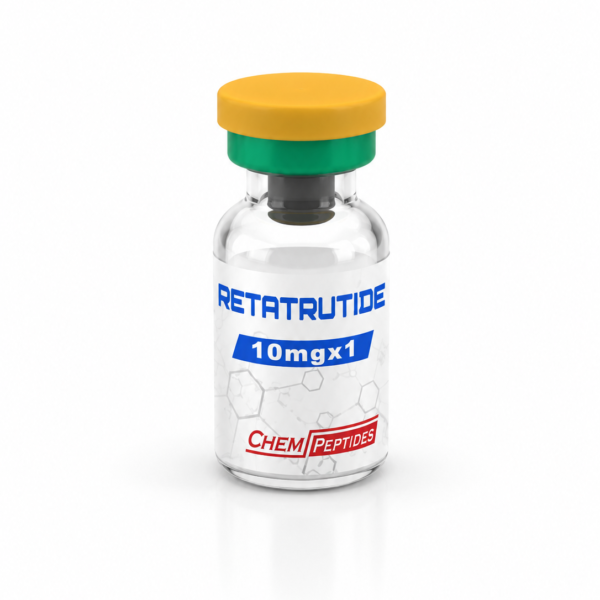
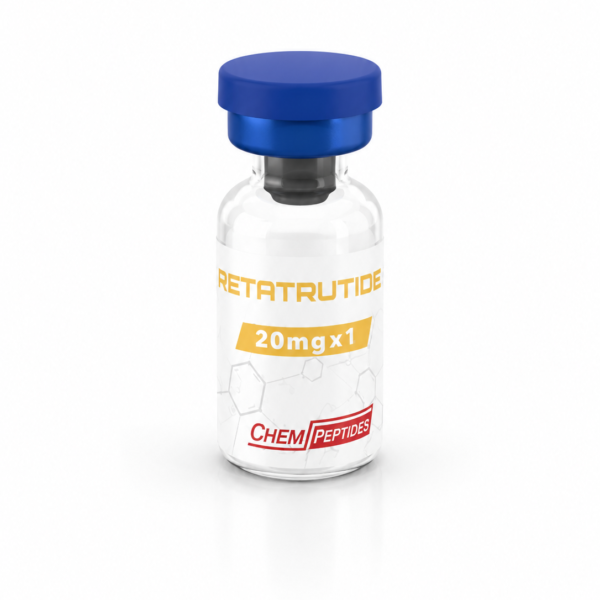
De peptiden die in metabool en vetverlies-onderzoek het meest worden gebruikt:
Betalen met iDEAL of Wero. Verzending in discrete verpakking vanuit Nederland. Uitsluitend voor laboratorium- en onderzoeksdoeleinden.