
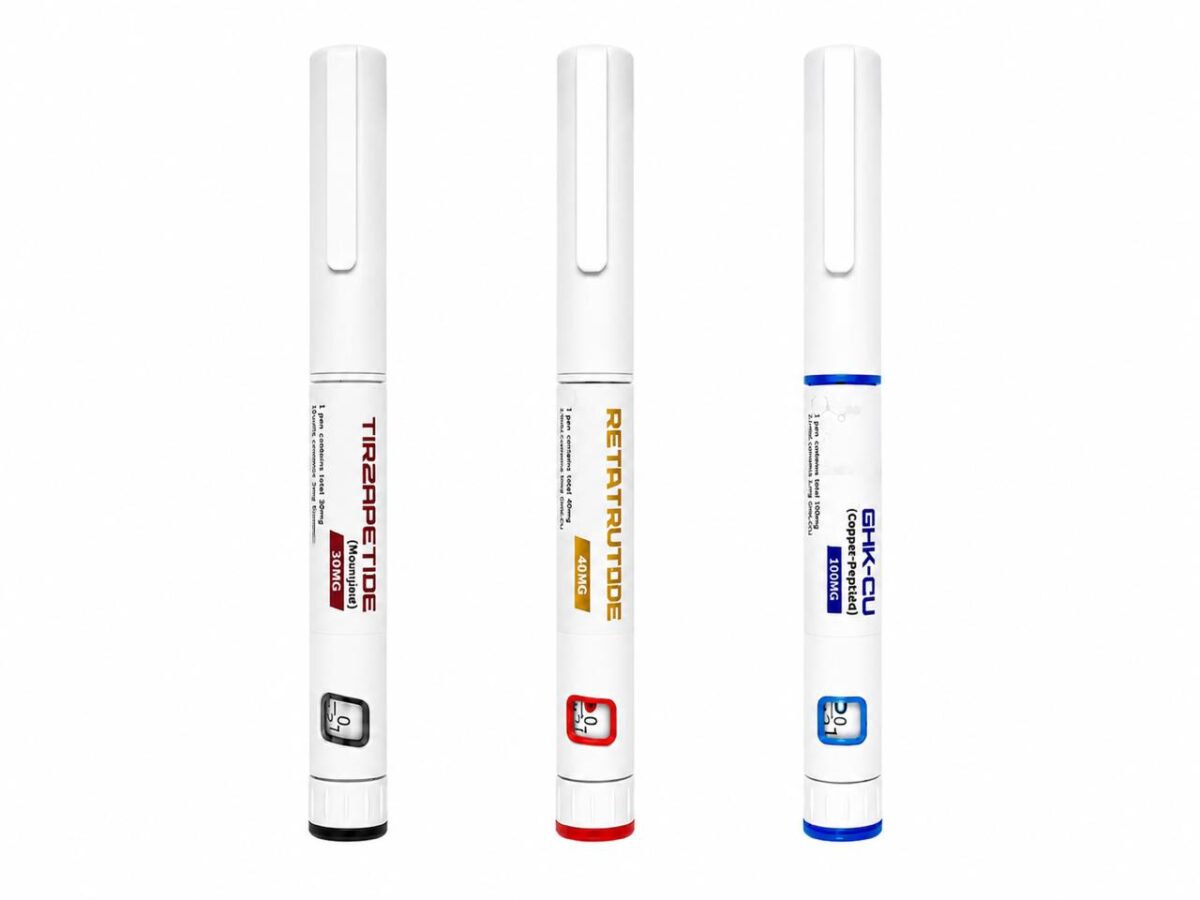
De EU-douane is een van de grootste wrijvingspunten in de logistiek van research peptiden. De meeste vertragingen komen door fouten in de documentatie, niet door een weigering vanuit de regelgeving. Deze gids loopt door wat er werkelijk gebeurt bij de EU-douane, wat een inspectie in gang zet en hoe je een zending research peptiden zo aanbiedt dat die soepel wordt vrijgegeven.
Zendingen binnen en buiten de EU
Het eerste onderscheid is of de zending uberhaupt een buitengrens van de EU passeert. Zendingen binnen de EU, bijvoorbeeld van Nederland naar Duitsland of van Frankrijk naar Spanje, bewegen binnen de douane-unie: geen inklaring, geen herberekening van btw, geen aangifte nodig. Zendingen van buiten de EU, bijvoorbeeld vanuit het Verenigd Koninkrijk, Zwitserland, Noorwegen of de Verenigde Staten naar een EU-lidstaat, zijn volwaardige douane-aangiften.
HS-codes voor research peptiden
Research peptiden worden doorgaans ingeklaard onder:
- HS 2937, hormonen, prostaglandinen, tromboxanen en leukotrienen, natuurlijk of synthetisch nagemaakt
- HS 2933, heterocyclische verbindingen met uitsluitend stikstof als heteroatoom, voor sommige specifieke peptiden
- HS 3822, diagnostische of laboratoriumreagentia, wanneer het product als labreagens wordt aangeboden
De indeling doet ertoe. HS 2937 is de meest gebruikte en best verdedigbare code voor gesynthetiseerde peptiden. Een verkeerde indeling leidt direct tot beoordeling door een douanebeambte.
Verplichte documentatie
Voor elke import van buiten de EU:
- Handelsfactuur met gespecificeerde omschrijving, sequentienaam plus kwaliteit plus hoeveelheid
- Paklijst
- Certificate of Analysis, vaak opgevraagd ter verduidelijking en daarom nuttig om bij te voegen
- Opgave van de HS-code
- Certificaat van oorsprong, indien van toepassing
- Douaneaangifte, CN22 bij lage waarde en CN23 bij hogere waarde
Etikettering voor uitsluitend onderzoeksgebruik
Het belangrijkste nalevingssignaal is een ondubbelzinnige omschrijving op de factuur die het onderzoeksgebruik vastlegt. Bruikbare formuleringen:
- Research peptide, gelyofiliseerd, uitsluitend voor laboratoriumonderzoek
- Synthetisch peptide, research grade, niet voor humane consumptie
- Voor in-vitro onderzoeksgebruik, geen therapeutische claim
Formuleringen die juist een inspectie uitlokken:
- Elke verwijzing naar behandeling, dosering of therapie
- Merknamen van geregistreerde geneesmiddelen zoals Ozempic, Mounjaro of Wegovy
- Hoeveelheden die eerder op persoonlijk gebruik dan op laboratoriumgebruik wijzen
- Ontbrekende of te algemene omschrijvingen zoals chemicalien of verbindingen
Wat een douanecontrole in gang zet
Douanebeambten zijn geen specialisten in peptidechemie. Zij letten op patronen:
- Documentatie die niet overeenkomt met de inhoud van het pakket
- Aangiften met hoge waarde zonder onderbouwende handelsfactuur
- Verpakking die er farmaceutisch uitziet, zoals vials of blisters, aangegeven als bulkchemicalien
- Veel kleine zendingen naar hetzelfde adres, wat op import voor persoonlijk medicijngebruik wijst
- Herkomst uit landen met zwakke exportcontrole op chemische stoffen
Btw en invoerrechten
Research peptiden die van buiten de EU worden ingevoerd, vallen onder:
- Btw tegen het tarief van het land van bestemming, doorgaans 19 tot 25 procent
- Invoerrecht, in de meeste lidstaten 0 procent voor HS 2937
- Kosten van de douane-expediteur, indien ingeschakeld
Zendingen van leveranciers binnen de douane-unie vermijden dit allemaal. Daarom bieden in de EU gevestigde leveranciers effectief een betere prijs voor Europese onderzoekers: de wrijvingskosten zijn nul.
Specifieke situatie van het Verenigd Koninkrijk na Brexit
Het Verenigd Koninkrijk maakt geen deel meer uit van de douane-unie. Zendingen van de EU naar het VK en omgekeerd vragen nu om:
- Een douaneaangifte bij elk pakket
- Btw bij invoer in het VK of in het land van bestemming binnen de EU
- Mogelijk registratie via IOSS of een bijzondere btw-regeling voor verkopers met veel volume
- Langere doorlooptijden door verwerking bij de grensposten
Wat douanebeambten controleren bij inspectie
Wanneer een pakket wordt vastgehouden, kunnen beambten:
- Het pakket openen en de inhoud visueel vergelijken met de opgegeven omschrijving
- De HS-code naast de gespecificeerde lijst leggen
- Contact opnemen met de afzender voor uitleg over het beoogde gebruik
- In zeldzame gevallen om analytische verificatie van de inhoud vragen
De meeste controles zijn binnen 3 tot 7 werkdagen afgerond wanneer de documentatie klopt.
Hoe je douanewrijving beperkt
- Koop bij in de EU gevestigde leveranciers wanneer je binnen de EU verzendt
- Zorg dat de omschrijving op de factuur aansluit op de HS-indeling
- Houd de formulering over uitsluitend onderzoeksgebruik consistent in alle documenten
- Vermijd merknamen in de douanedocumentatie
- Werk met leveranciers die vaste relaties hebben met een douane-expediteur in het land van bestemming
Chempeptides verzendt vanuit een EU-hub, dus geen douanewrijving voor onderzoekers binnen de EU. Bekijk ons verzendprotocol en de onderzoekscatalogus.
Uitsluitend voor onderzoeksdoeleinden.
Gerelateerd onderzoek
- Waarom onderzoek-grade peptides strikt voor laboratoriumgebruik zijn, niet voor mensen of dieren
- Research Use Only (RUO): waarom onze peptiden strikt voor laboratoriumonderzoek zijn
- REACH en CLP voor research peptiden: het Europese registratiekader voor chemische stoffen uitgelegd
- Waarom research grade peptiden strikt voor laboratoriumgebruik zijn en niet voor mens of dier
- Auditchecklist voor peptideleveranciers voor onderzoekslaboratoria
Research disclaimer▾
Alle informatie op deze pagina is bedoeld voor laboratoriumonderzoek en in-vitro studies. Geen humane consumptie. Geen medische claims. Producten zijn niet goedgekeurd door EMA of FDA voor therapeutisch gebruik.
Research-grade materiaal bij Chempeptides
De meest gebruikte research peptiden uit onze catalogus:
Betalen met iDEAL of Wero. Verzending in discrete verpakking vanuit Nederland. Uitsluitend voor laboratorium- en onderzoeksdoeleinden.