
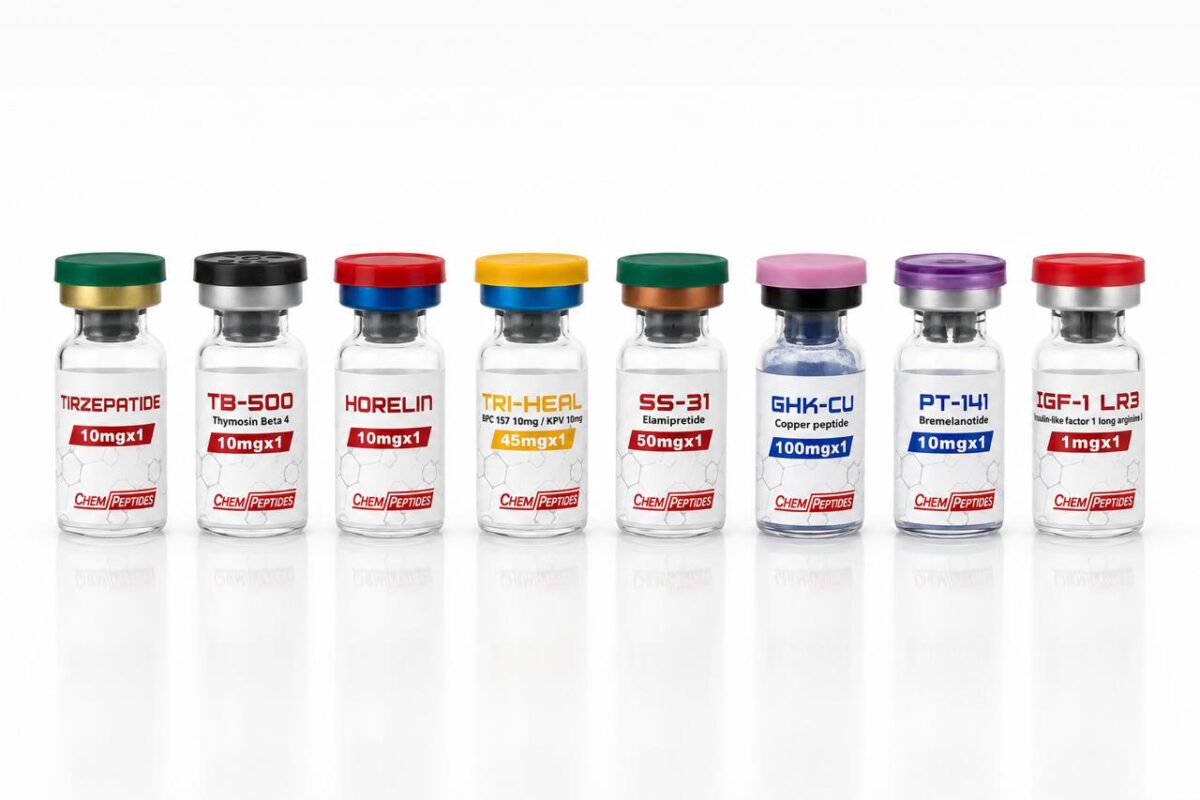
Waarom onderzoeksgrade peptiden niet voor consumptie zijn
Elk peptide dat door een legitieme onderzoeksleverancier wordt verkocht, draagt dezelfde juridische en wetenschappelijke aanduiding: uitsluitend voor onderzoeksgebruik, niet voor menselijke of dierlijke consumptie. Dit is geen marketingzin. Het weerspiegelt hoe peptidewetenschap in 2026 daadwerkelijk aan de labtafel wordt bedreven, en waarom correcte inkoop van belang is voor de integriteit van elk in-vitro- of analytisch onderzoek.
Wat “onderzoeksgrade” werkelijk betekent
Een onderzoeksgrade peptide is een synthetische verbinding die onder gecontroleerde laboratoriumomstandigheden wordt geproduceerd voor gebruik in in-vitro-experimenten, celkweekassays, receptorbindingsstudies, massaspectrometriestandaarden en de ontwikkeling van analytische methoden. Het is geen afgewerkt farmaceutisch product. Het heeft niet het meerjarige klinische onderzoekstraject doorlopen dat geneesmiddelen zoals semaglutide (FDA-goedgekeurd 2017, EMA-goedgekeurd 2018) of tirzepatide (FDA-goedgekeurd 2022) hebben afgerond.
Het verschil is structureel, regulatoir en procedureel:
- Farmaceutische grade verbindingen worden geproduceerd in cGMP-faciliteiten onder toezicht van FDA/EMA, met steriliteitsvalidatie, endotoxinelimieten en stabiliteitsgegevens voor menselijk gebruik.
- Onderzoeksgrade peptiden worden gesynthetiseerd onder ISO-achtige kwaliteitsprotocollen met HPLC- en massaspectrometrieverificatie, voldoende voor laboratoriumwerk, maar niet gevalideerd voor biologische toediening.
Hoe echt peptideonderzoek is opgebouwd
Het standaard onderzoekstraject voor een nieuw peptide, bijvoorbeeld retatrutide (de triple GLP-1/GIP/glucagon-agonist van Eli Lilly), volgde jaren van in-vitro- en diermodelwerk voordat er een humane studie plaatsvond. Gepubliceerd onderzoek in The New England Journal of Medicine (Jastreboff et al., 2023, “Triple-Hormone-Receptor Agonist Retatrutide for Obesity”, NEJM 389:514-526) beschrijft een fase 2-studie waarin 338 volwassenen retatrutide ontvingen in verschillende doseringsgroepen. De gemiddelde verlaging van het lichaamsgewicht na 48 weken bedroeg 24.2% bij de 12 mg-dosering (vs. 2.1% placebo, p < 0.001).
Dat klinische werk berust op een fundament van laboratoriumstudies, receptorbindingsassays, celgebaseerde cAMP-signaleringsexperimenten, farmacokinetische profilering bij knaagdieren, allemaal uitgevoerd met onderzoeksgrade materiaal lang voordat er een verbinding van klinische kwaliteit werd vervaardigd. Hetzelfde geldt voor BPC-157, waar onderzoekers aan de Universiteit van Zagreb de oorspronkelijke karakterisering publiceerden in European Journal of Pharmacology (1993) met gezuiverd synthetisch peptide voor wondgenezingsmodelexperimenten bij ratten.
Waarom het onderscheid onderzoekers beschermt
Onderzoeksgrade materiaal gebruiken in een biologisch subject is zowel een regelovertreding als een wetenschappelijke fout. De verbinding is niet getest op:
- Resterende organische oplosmiddelen uit vastefasepeptidesynthese (sporen van TFA, DMF, piperidine)
- Bacteriële endotoxinen (LAL-testen niet standaard voor onderzoekspartijen)
- Steriliteit (onderzoeksvials worden niet geproduceerd in ISO Class 5-cleanrooms)
- Stabiliteit onder fysiologische omstandigheden voor de beoogde duur
Legitieme leveranciers vermelden dit onomwonden. De classificatie bestaat om de toeleveringsketen transparant en de wetenschap eerlijk te houden.
Wat wij verifiëren voordat we een batch vrijgeven
Elke Chempeptides-batch wordt vrijgegeven op basis van de volgende analytische criteria:
- HPLC-zuiverheid ≥ 99% in oppervlaktepercentage bij 214 nm UV-detectie
- Massaspectrometrie-identiteit: berekende versus waargenomen monoisotopische massa binnen 0.1 Da
- Netto peptidegehalte via aminozuuranalyse (waar van toepassing)
- Certificate of Analysis (COA) per batch op aanvraag beschikbaar, ondertekend door het analytisch laboratorium
Deze documentatie is wat een laboratorium nodig heeft om een verbinding te valideren voor een in-vitro-experiment, geen apotheeketiket, geen doseringstabel.
De standaard onderzoeksvermelding
In publicaties in tijdschriften zoals Peptides, Journal of Medicinal Chemistry en Bioorganic & Medicinal Chemistry Letters luidt de standaardvermelding in de methodensectie: “Peptiden werden verkregen van een commerciële leverancier, gekarakteriseerd met HPLC en ESI-MS, en zonder verdere zuivering gebruikt voor in-vitro-receptorbindingsassays.” Dat is de toepassing. Die is reëel, die is rigoureus, en er komen geen menselijke of dierlijke subjecten aan te pas.
Wanneer een leverancier “alleen voor onderzoek” benadrukt, is dat geen slag om de arm. Dat is de daadwerkelijke categorie.
Uitsluitend voor laboratorium- en analytisch onderzoek. Niet voor menselijke consumptie, dierlijke consumptie of therapeutisch gebruik. Certificates of Analysis per batch op aanvraag beschikbaar.
Gerelateerd onderzoek
- Research Use Only (RUO): waarom onze peptiden strikt voor laboratoriumonderzoek zijn
- Waarom onderzoek-grade peptides strikt voor laboratoriumgebruik zijn, niet voor mensen of dieren
- EU-douane & onderzoekspeptiden: gids voor importeurs
- REACH- en CLP-naleving voor onderzoekspeptiden: het EU-raamwerk voor chemische registratie uitgelegd
- Auditchecklist voor peptideleveranciers voor onderzoekslaboratoria
Research disclaimer▾
Alle informatie op deze pagina is bedoeld voor laboratoriumonderzoek en in-vitro studies. Geen humane consumptie. Geen medische claims. Producten zijn niet goedgekeurd door EMA of FDA voor therapeutisch gebruik.
Research-grade materiaal bij Chempeptides
De meest gebruikte research peptiden uit onze catalogus:
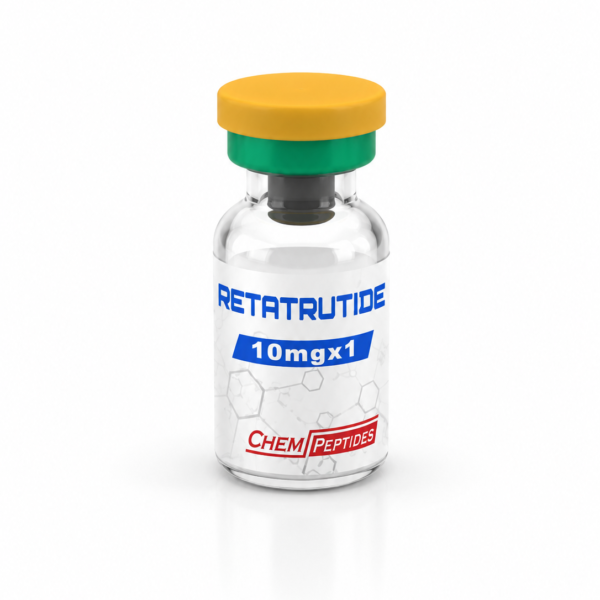
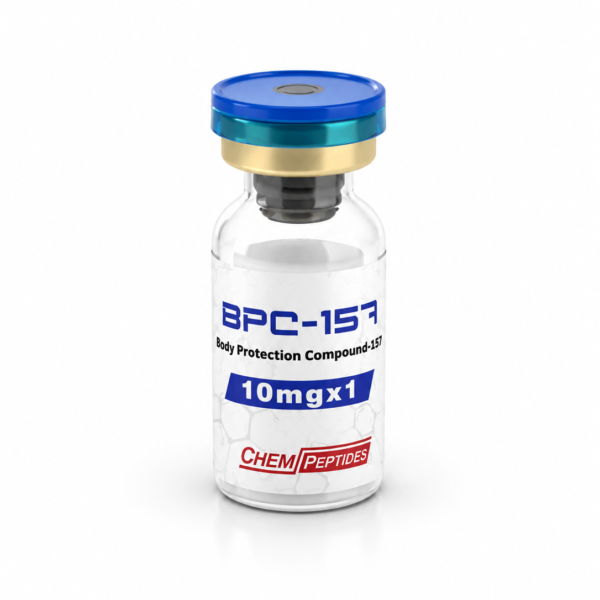
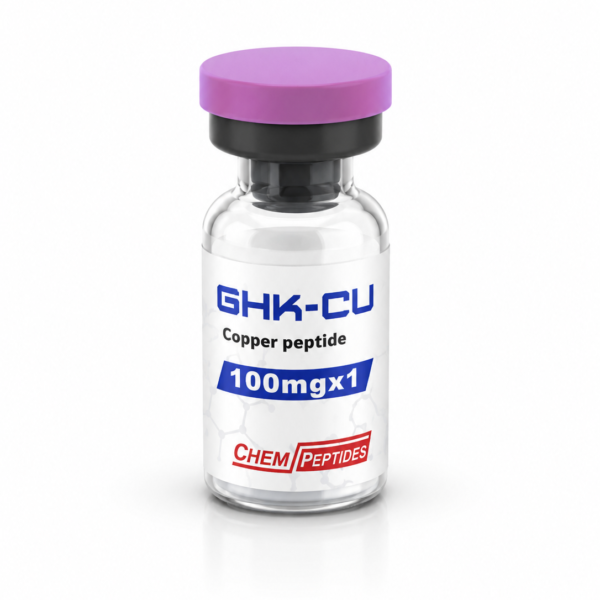
Betalen met iDEAL of Wero. Verzending in discrete verpakking vanuit Nederland. Uitsluitend voor laboratorium- en onderzoeksdoeleinden.