Het kiezen van een peptideleverancier is een terugkerende beslissing voor elk actief onderzoekslaboratorium. Een verkeerde keuze brengt onbekende variabelen in elk experiment waarin die batch wordt gebruikt. Deze checklist is de gestructureerde audit die serieuze leveranciers scheidt van wederverkopers die het puur van marge moeten hebben.
Deel 1: analytische kwaliteit
- HPLC-zuiverheid van 98 procent of hoger met een batch-specifiek certificaat
- Bevestiging van het molecuulgewicht via massaspectrometrie
- Karl Fischer titratie voor het watergehalte
- Kwantificering van het peptidegehalte, netto tegenover bruto massa
- Identificatie van het tegenion en het percentage daarvan
- Endotoxinebepaling voor steriele toepassingen
- Het analysecertificaat is per batch opgesteld en geen sjabloon, met verifieerbare datum
- Het certificaat is te downloaden of staat op de productpagina en niet achter een aanvraagformulier
Deel 2: synthese en herkomst
- De synthesemethode is bekendgemaakt, zoals vastefasesynthese of recombinant
- De laboratoriumpartner of eigen synthese is bevestigd
- Het land van herkomst is herleidbaar
- Lange peptiden vanaf 40 aminozuren komen van laboratoria met een bewezen staat van dienst
- Tussentijdse kwaliteitscontroles tijdens de synthese zijn gedocumenteerd
Deel 3: logistiek en verzending
- Verzendlocatie, waarbij een EU-basis de wrijving voor Europese onderzoekers verkleint
- Uiterste tijd voor verzending op dezelfde of de volgende dag
- Cold chain verpakking voor gevoelige sequenties
- Faseovergangsgelpacks en niet alleen droge verpakking
- Geisoleerde piepschuimhoes en geen envelop
- Verzending met track and trace en bevestiging van bezorging
- Gedocumenteerde temperatuurbewaking, wanneer die wordt geclaimd
- Vaste relatie met een vervoerder zoals DHL, UPS of een gespecialiseerde logistieke partner
Deel 4: naleving en legitimiteit
- Geregistreerde onderneming in het opgegeven rechtsgebied
- Verifieerbare btw- of belastingregistratie
- Leeftijd van het domein, ouder wijst op meer gevestigd
- Vermeld en verifieerbaar fysiek adres
- Consistente vermelding van uitsluitend onderzoeksgebruik in alle teksten
- Algemene voorwaarden met een verklaring over onderzoeksgebruik
- Nergens op de site claims over therapeutische werking
- Professioneel afgehandelde douanedocumentatie
Deel 5: betaling en commerciele voorwaarden
- Gereguleerde betaalmethoden zoals iDEAL, Wero en SEPA
- Niet uitsluitend crypto of uitsluitend overboeking
- Transparante prijzen zonder verborgen kosten
- Btw duidelijk gespecificeerd op de factuur
- Retour- of vervangingsbeleid bij mislukte zendingen
- Reactiesnelheid van de klantenservice, test dit voor een grote bestelling
Deel 6: samenhang van het assortiment
- De catalogus is inhoudelijk samenhangend en geen willekeurige verzameling
- De productinformatie is technisch en geen marketingpraat
- Sequentie en molecuulgewicht staan zichtbaar op de productpagina
- Per product zijn er aantekeningen over stabiliteit en opslag
- Per product is er een voorgesteld reconstitutieprotocol
Signalen die een leverancier moeten diskwalificeren
- Geen analysecertificaat beschikbaar op verzoek
- Een algemeen certificaatsjabloon dat niet batch-specifiek is
- Claims over medisch of therapeutisch gebruik
- Doseerinstructies voor toepassing bij mensen
- Uitsluitend betaling in crypto
- Geen geregistreerd bedrijf of verifieerbaar adres
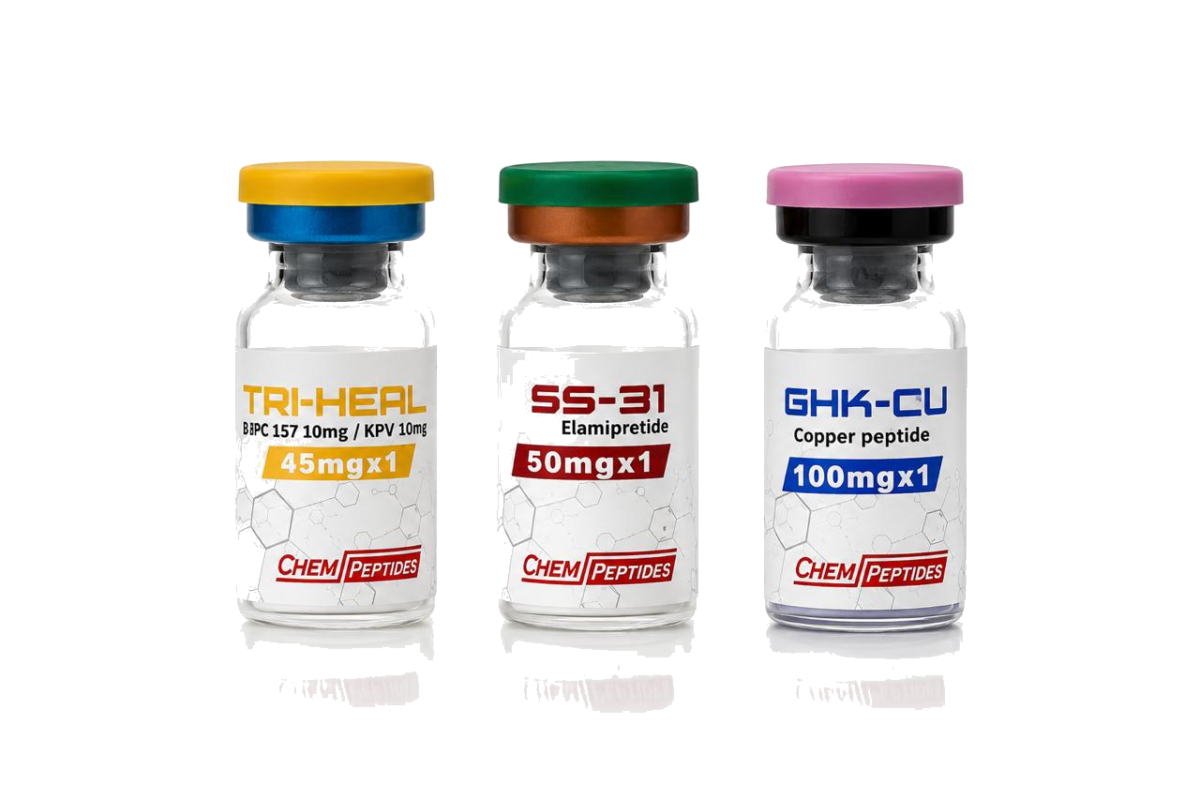
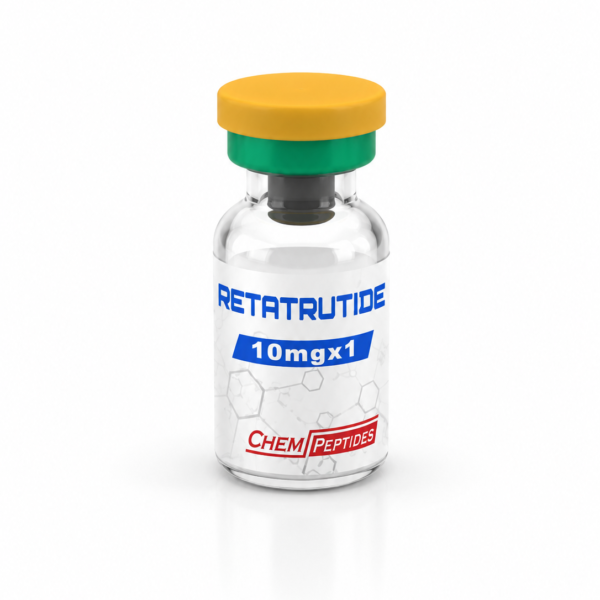
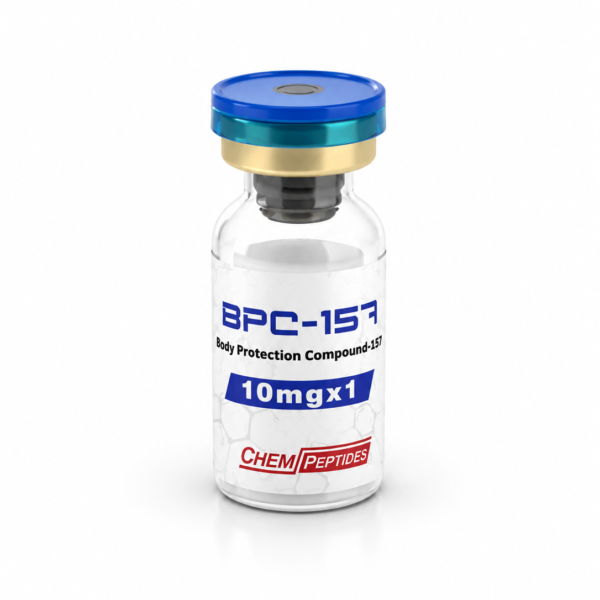
- Stockfoto’s als productafbeelding in plaats van de werkelijke vials
- Onrealistische zuiverheidsclaims zoals 100 procent of 99,99 procent
- Een domein dat minder dan zes maanden geleden is geregistreerd
- Antwoorden van de klantenservice die de regelgeving verkeerd voorstellen
Praktische werkwijze voor de audit
- Plaats een kleine testbestelling van een enkele vial voordat je grote hoeveelheden afneemt
- Vraag het analysecertificaat op voor de bestelling of controleer of het op de productpagina staat
- Inspecteer de verpakking bij aankomst op cold chain, verzegeling en documentatie
- Test onafhankelijk met HPLC wanneer je laboratorium die mogelijkheid heeft
- Leg de leverancier vast in de leveranciersdatabase van je laboratorium
- Controleer het certificaat opnieuw bij de tweede bestelling als batchconsistentiecheck
Een langdurige leveranciersrelatie opbouwen
Zodra een leverancier de audit doorstaat, stapelen de praktische voordelen voor het onderzoek zich op:
- Consistentie van batch tot batch, dezelfde bron en hetzelfde protocol
- Een ingesleten route voor douane en logistiek
- Volumeprijzen voor gevestigde laboratoria
- Voorrang bij nieuwe verbindingen in de catalogus
- Klantenservice die de context van jouw onderzoek kent
Waar Chempeptides op aansluit
- HPLC van 98 procent of hoger met een batch-specifiek certificaat per product
- Bevestiging via massaspectrometrie
- Verzending vanuit de EU met een uiterste tijd op dezelfde dag
- Cold chain verpakking voor gevoelige sequenties
- Gereguleerde betaalmethoden, iDEAL en Wero
- Geregistreerde EU-entiteit met verifieerbaar adres
- Consistente vermelding van uitsluitend onderzoeksgebruik in alle teksten
Bekijk de onderzoekscatalogus en de kopersgids voor de EU voor context.
Uitsluitend voor onderzoeksdoeleinden.
Gerelateerd onderzoek
- Waarom onderzoek-grade peptides strikt voor laboratoriumgebruik zijn, niet voor mensen of dieren
- Waarom research grade peptiden strikt voor laboratoriumgebruik zijn en niet voor mens of dier
- REACH en CLP voor research peptiden: het Europese registratiekader voor chemische stoffen uitgelegd
- Research Use Only (RUO): waarom onze peptiden strikt voor laboratoriumonderzoek zijn
- EU-douane en research peptiden: de gids voor importeurs
Research disclaimer▾
Alle informatie op deze pagina is bedoeld voor laboratoriumonderzoek en in-vitro studies. Geen humane consumptie. Geen medische claims. Producten zijn niet goedgekeurd door EMA of FDA voor therapeutisch gebruik.
Research-grade materiaal bij Chempeptides
De meest gebruikte research peptiden uit onze catalogus:
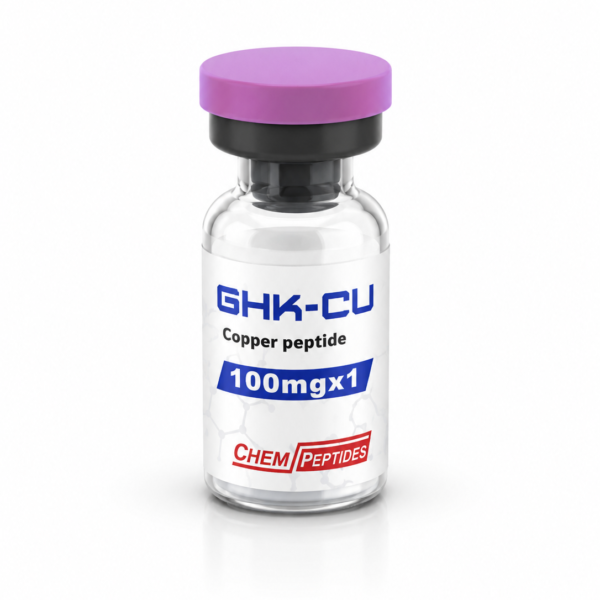
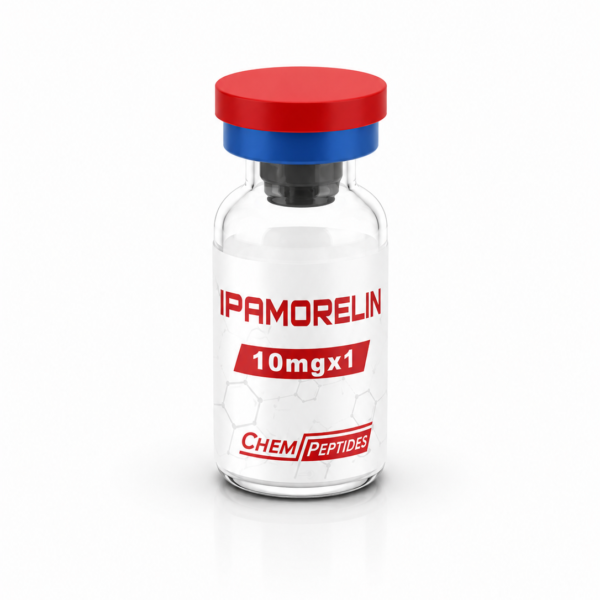
Betalen met iDEAL of Wero. Verzending in discrete verpakking vanuit Nederland. Uitsluitend voor laboratorium- en onderzoeksdoeleinden.