
De cijfers die de krantenkoppen halen vergelijken de afname van lichaamsgewicht. Onderzoek naar lichaamssamenstelling vergelijkt welk deel van dat verlies vetmassa was, welk deel vetvrij weefsel, en waar het vet vandaan kwam, visceraal of onderhuids. Voor tirzepatide tegenover semaglutide maakt dat beeld de vergelijking aanzienlijk scherper.
De gegevens uit de DEXA-scans
Uit fase 3 trials met deelanalyses naar lichaamssamenstelling:
| Maat | Semaglutide 2,4mg | Tirzepatide 15mg |
|---|---|---|
| Totale afname lichaamsgewicht | 14,9 procent | 22,5 procent |
| Afname vetmassa | Ongeveer 10,5 procent | Ongeveer 18 procent |
| Afname vetvrije massa | Ongeveer 4,4 procent | Ongeveer 4,5 procent |
| Verhouding vet tegenover vetvrij | Ongeveer 70 om 30 | Ongeveer 80 om 20 |
Het opvallende patroon
Let op dat het absolute verlies aan vetvrije massa tussen beide verbindingen vrijwel gelijk is, ongeveer 4,4 tegenover 4,5 procent. Het verschil in totaal gewichtsverlies komt vrijwel volledig uit een groter verlies aan vetmassa. Tirzepatide verliest meer vet zonder meer vetvrij weefsel te verliezen.
Dat is het mechanistische gevolg van activatie van de GIP-receptor. De GIP-arm lijkt verschuivingen in de stofwisseling van vetweefsel te bevorderen: de verbinding mobiliseert bij voorkeur vetmassa, terwijl het verlies aan vetvrije massa het profiel van semaglutide volgt.
Visceraal tegenover onderhuids vet
Visceraal vetweefsel en onderhuids vet reageren verschillend op behandeling met incretine-agonisten. Onderzoek met beeldvormende meting van visceraal vet laat zien:
- Semaglutide: ongeveer 25 procent afname van visceraal vet over 68 weken
- Tirzepatide: ongeveer 33 tot 35 procent afname van visceraal vet over 72 weken
Beide verminderen bij voorkeur het viscerale vet ten opzichte van het onderhuidse vet, een metabool gunstige verschuiving. De grotere afname bij tirzepatide loopt in de pas met het grotere totale gewichtsverlies.
Levervet als apart eindpunt
Het vetgehalte in de lever reageert op behandeling met incretine-agonisten los van het totale gewichtsverlies:
- Semaglutide: ongeveer 30 procent afname van de levervetfractie
- Tirzepatide: ongeveer 38 tot 44 procent afname van de levervetfractie
Die afname is deels direct, via effecten van incretines op de vetverwerking in de lever, en deels indirect via de algehele afname van vetmassa. Beide verbindingen laten in onderzoek naar leveruitkomsten betekenisvolle verbeteringen zien.
Correctie voor de duur
De semaglutide-trial duurde 68 weken, die van tirzepatide 72 weken. Gecorrigeerd voor duur is de verschuiving in lichaamssamenstelling per week:
- Semaglutide: ongeveer 0,15 procent vetmassa per week
- Tirzepatide: ongeveer 0,25 procent vetmassa per week
Tirzepatide levert daarmee ongeveer 1,6 keer zo snel verlies van vetmassa op als semaglutide, gerekend per week.
Wat dit betekent voor onderzoek naar lichaamssamenstelling
Voor onderzoeksprotocollen waarin de afname van vetmassa het primaire eindpunt is en niet het totale lichaamsgewicht:
- Tirzepatide is de dominante verbinding voor eindpunten die specifiek op vetverlies zijn gericht
- Semaglutide blijft bruikbaar voor studies met een langere duur en als referentieverbinding, met meer gepubliceerde data
- Het behoud van vetvrije massa is vergelijkbaar tussen beide, geen van beide is duidelijk beter in dat opzicht
Wisselwerking met krachttraining
Onderzoek waarin krachttraining aan een van beide verbindingen wordt toegevoegd, verschuift de verhouding tussen vet en vetvrij verder richting vet:
- GLP-1 plus krachttraining: de verhouding verschuift naar ongeveer 85 om 15, tegenover 70 om 30 zonder training
- Het effect is vergelijkbaar bij beide verbindingen
Voor onderzoek naar het optimaliseren van lichaamssamenstelling doet de trainingsvariabele er net zoveel toe als de keuze van de verbinding.
SURPASS-2, de directe vergelijking
De SURPASS-2 trial (Frias en collega’s, NEJM 2021) vergeleek tirzepatide en semaglutide rechtstreeks bij volwassenen met diabetes type 2. Op vergelijkbare posities, semaglutide 1mg tegenover de tirzepatide-armen, leverde tirzepatide ongeveer tweemaal zoveel gewichtsverlies op bij alle drie de geteste doseringen. Deelanalyses naar lichaamssamenstelling bevestigden dat het verschil door vetmassa werd gedreven.
Bekijk ons artikel over de directe vergelijking voor alle details uit SURPASS-2.
Voor de keuze binnen onderzoek
- Maximaal eindpunt op vetmassa: tirzepatide
- Gevestigde data over langere duur: semaglutide
- Onderzoek specifiek naar visceraal vet: tirzepatide, met de grotere afname
- Onderzoek naar levervet: tirzepatide, met de grotere afname
- Onderzoek naar behoud van vetvrije massa: beide, met een vergelijkbaar profiel
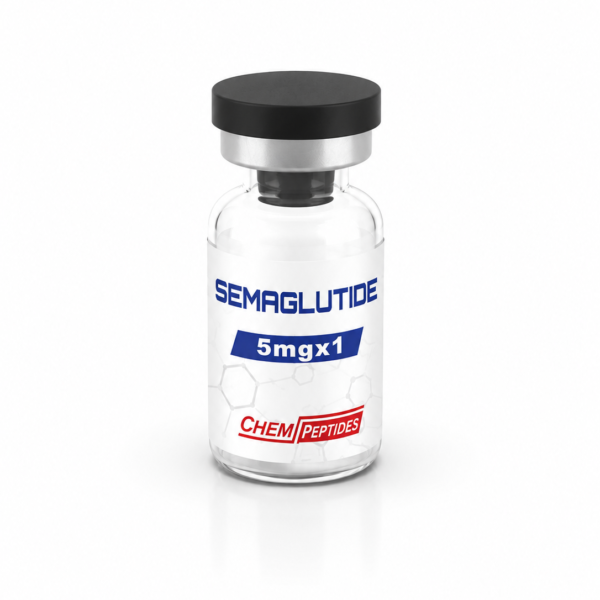
Chempeptides levert beide verbindingen. Bekijk de catalogus en onze diepere artikelen over het mechanisme van tirzepatide en het mechanisme van semaglutide.
Uitsluitend voor laboratoriumonderzoek. Gegevens over lichaamssamenstelling samengevat uit gepubliceerd, collegiaal getoetst onderzoek.
Gerelateerd onderzoek
- Mounjaro tegenover Ozempic: tirzepatide en semaglutide naast elkaar
- Tirzepatide tegenover semaglutide: gids voor het plannen van een cyclus
- GLP-1 agonisten: tirzepatide tegenover semaglutide
- Tirzepatide, semaglutide en retatrutide: overzicht van het onderzoek naar de drievoudige agonist
- Mounjaro vs Ozempic vs Wegovy: De Complete Vergelijking voor 2026
Research disclaimer▾
Alle informatie op deze pagina is bedoeld voor laboratoriumonderzoek en in-vitro studies. Geen humane consumptie. Geen medische claims. Producten zijn niet goedgekeurd door EMA of FDA voor therapeutisch gebruik.
Onderzoeksmateriaal bij dit onderwerp
De peptiden die in metabool en vetverlies-onderzoek het meest worden gebruikt:
Betalen met iDEAL of Wero. Verzending in discrete verpakking vanuit Nederland. Uitsluitend voor laboratorium- en onderzoeksdoeleinden.