Claims over kwaliteit zijn eenvoudig. Verificatie van kwaliteit is gedocumenteerd. Dit artikel loopt door de verificatieketen die op elke batch van Chempeptides wordt toegepast: het werkelijke proces dat een belofte van een leverancier vertaalt naar batch-specifiek bewijs op elk analysecertificaat dat wij publiceren.
Stap 1: kwaliteitscontrole bij de synthese
Elk peptide van Chempeptides wordt gesynthetiseerd door partnerlaboratoria met vastefasesynthese volgens gedocumenteerde protocollen. De kwaliteitspoorten tijdens de synthese omvatten:
- Controle van hars en reagentia voor aanvang van de synthese
- Bewaking van de koppelingsefficientie bij elke toevoeging van een aminozuur
- Verificatie van de ontschermings- en afsplitsingsstap
- HPLC-profiel van het ruwe product na synthese, voor de zuivering
Batches die een poort tijdens de synthese niet halen, gaan niet door naar de zuivering.
Stap 2: HPLC-zuivering en verificatie
Het ruwe syntheseproduct wordt gezuiverd via preparatieve reversed-phase HPLC en vervolgens geverifieerd met analytische HPLC:
- Een enkele dominante piek op de verwachte retentietijd
- Integratie van de piek levert een zuiverheidspercentage van 98 procent of hoger naar oppervlak
- Basislijnruis onder de detectiedrempel
- Geen prominente secundaire pieken die op deletie of oxidatie wijzen
Het chromatogram uit deze stap wordt bij het batchcertificaat gevoegd.
Stap 3: bevestiging via massaspectrometrie
Massaspectrometrie met elektrospray-ionisatie bevestigt het molecuulgewicht:
- Gemeten massa binnen 0,5 dalton van de theoretische waarde bij korte peptiden
- Binnen 2 dalton bij langere sequenties vanaf 40 aminozuren
- Geen massaverschuivingen die op modificatie of verontreiniging wijzen
Het resultaat van de massaspectrometrie komt naast het chromatogram op het certificaat.
Stap 4: watergehalte via Karl Fischer titratie
Gelyofiliseerde peptiden houden gebonden water vast dat de netto peptidemassa beinvloedt. Karl Fischer titratie meet het watergehalte als gewichtspercentage:
- Aanvaardbare marge: 4 tot 10 procent bij gangbare lyofilisaten
- Per batch vermeld op het certificaat
- Afkeurgrens: boven 12 procent volgt opnieuw lyofiliseren
Dit is het getal dat zich vertaalt naar een correcte berekening bij reconstitutie.
Stap 5: netto peptidegehalte
Het netto peptidegehalte is het percentage van de massa in de vial dat werkelijk peptide is, na aftrek van water, tegenionen en restanten:
- Aanvaardbare marge: 75 tot 90 procent netto peptide bij gangbare bereidingen
- Type en percentage tegenion apart vermeld, TFA of acetaat
- Netto peptidegehalte maal de massa op het etiket geeft de werkelijke hoeveelheid peptide per vial
Stap 6: visuele inspectie
- De gelyofiliseerde koek: gelijkmatig, gebroken wit tot wit, zonder vergeling
- Integriteit van de vial: verzegeling intact, geen glasdefecten
- Leesbaarheid van het etiket en controle van het batchnummer
Stap 7: opslag en verzending
- Gelyofiliseerde peptiden worden in voorraad bewaard bij min 20 graden Celsius
- Cold chain verpakking wordt vlak voor verzending samengesteld
- Faseovergangsgelpacks worden vooraf op 4 graden Celsius gebracht
- Geisoleerde piepschuimhoes met een verzegeling die zichtbaar maakt of er is geopend
- Een kopie van het certificaat plus documentatie over onderzoeksgebruik in de doos
Het gepubliceerde certificaat: wat je ontvangt
Elke productpagina van Chempeptides verwijst naar het batch-specifieke certificaat met daarin:
- Batchnummer en synthesedatum
- HPLC-chromatogram met zuiverheidspercentage
- Massaspectrum met vergelijking van gemeten en theoretische massa
- Karl Fischer watergehalte
- Netto peptidegehalte
- Identificatie en percentage van het tegenion
- Aantekeningen over uiterlijk en oplosbaarheid
- Aanbeveling voor opslag en houdbaarheid
Waarom dit afwijkt van de norm in de branche
De norm in de lagere segmenten is een algemene claim van 98 procent zuiverheid zonder batch-specifieke documentatie. De hierboven beschreven verificatieketen is wat die claim scheidt van geleverd bewijs per batch. Onderzoekers die protocollen draaien die tot publicatie leiden, hebben dat geleverde bewijs nodig, niet de claim.
Doorlopende verificatie en hertesten
Batches die langer dan zes maanden in voorraad liggen, worden voor verzending opnieuw getest om vast te stellen dat er geen afbraak is opgetreden. De verse testresultaten vervangen het oudere certificaat voor die zending.
Validatie van de koelketen
Temperatuurgevoelige batches worden verzonden met ingesloten temperatuurindicatoren die bevestigen dat de koelketen tijdens het transport intact is gebleven. Bij een aangetaste zending start het proces voor terugbetaling of vervanging voordat de klant daar zelf om hoeft te vragen.
Het volledige auditkader voor leveranciers behandelt wat je bij elke leverancier hoort te controleren. Bekijk de onderzoekscatalogus van Chempeptides voor de actuele batches en hun certificaten.
Uitsluitend voor laboratoriumonderzoek.
Gerelateerd onderzoek
- Certificate of Analysis bij research peptiden: wat elk laboratorium hoort te verifieren
- HPLC Zuiverheid van 99 Procent: Waarom Het Verschil Maakt Bij Onderzoek-Grade Peptides
- Wegovy Bijwerkingen: De Complete Gids op Basis van Klinisch Onderzoek 2026
- Analytische standaarden in peptide-onderzoek: wat een onderzoeksleverancier scheidt van een wederverkoper
- Receptorbindingsassays: hoe peptidefarmacologie in celkweek wordt bestudeerd
Research disclaimer▾
Alle informatie op deze pagina is bedoeld voor laboratoriumonderzoek en in-vitro studies. Geen humane consumptie. Geen medische claims. Producten zijn niet goedgekeurd door EMA of FDA voor therapeutisch gebruik.
Research-grade materiaal bij Chempeptides
De meest gebruikte research peptiden uit onze catalogus:
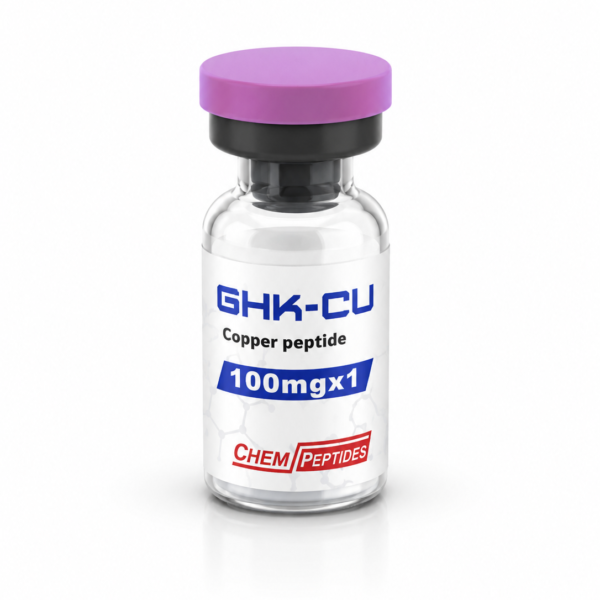
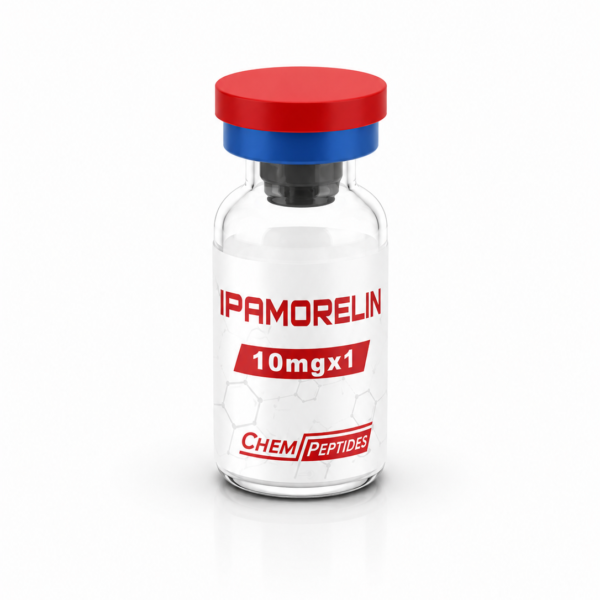
Betalen met iDEAL of Wero. Verzending in discrete verpakking vanuit Nederland. Uitsluitend voor laboratorium- en onderzoeksdoeleinden.