Op de Nederlandse markt voor research-peptiden heeft zich in de periode 2024 tot 2026 een onmiskenbare trend gevormd: onderzoekers kopen in bij EU-native leveranciers in plaats van bij niet-EU alternatieven. Die verschuiving komt niet door één factor, maar door vijf: compliance, leversnelheid, betaalinfrastructuur, taal en support, en documentatiediepte. Dit artikel brengt elk daarvan in kaart.
1. Compliance: EU-regelgevingskader sluit aan op de onderzoeksworkflow
Nederlandse onderzoekers die werken in academische labs, biotechbedrijven, ziekenhuisonderzoeksafdelingen en onafhankelijke onderzoeksgroepen vallen allemaal onder de EU-regelgeving voor research chemicals. Research-use-only kaders, de douaneclassificatie HS 2937, btw-compliance en standaard betaalrails sluiten allemaal naadloos aan wanneer de leverancier EU-native is.
Niet-EU leveranciers introduceren wrijving op meerdere compliancepunten:
- Douaneaangiften kunnen andere HS-codes of formuleringen gebruiken die een inspectie triggeren
- Documentatie kan therapeutische claims bevatten die de EU-douane markeert
- Btw-verwerking verschilt (geheven bij import versus inbegrepen in de prijs)
- Betaalinfrastructuur voldoet mogelijk niet aan de compliance van EU-gereguleerde betaalrails
EU-native leveranciers zoals Chempeptides opereren standaard binnen dit kader. Zie onze EU-douanegids.
2. Leversnelheid: transport binnen de EU versus daarbuiten
| Bestemming | EU-native leverancier | Niet-EU leverancier |
|---|---|---|
| Amsterdam | 1 dag | 5 tot 10 dagen |
| Rotterdam | 1 dag | 5 tot 10 dagen |
| Maastricht | 1 tot 2 dagen | 5 tot 10 dagen |
| Risico op douanevasthouding | 0% | 5 tot 10% |
Voor onderzoeksprotocollen die tijdgevoelige levering van materiaal vereisen, is het verschil operationeel doorslaggevend. Cold-chain integriteitsvensters (~72 uur met phase-change verpakking) worden eenvoudig gehaald met transport binnen de EU van 1 tot 2 dagen, maar staan onder druk bij niet-EU transport van 5 tot 10 dagen.
3. Betaalinfrastructuur: iDEAL native versus omwegen
Nederlandse onderzoekers verwachten iDEAL-checkout. Het is de standaard voor meer dan 80% van de Nederlandse online transacties. Niet-EU leveranciers bieden doorgaans:
- Kaartbetalingen (kosten voor valutaomrekening)
- Crypto (volatiliteitsrisico, geen chargeback)
- Bankoverschrijving (afwikkeling van meerdere dagen, verwerkingswrijving)
Geen daarvan evenaart de ervaring van directe bevestiging via de eigen bank-app die iDEAL biedt. EU-native leveranciers zoals Chempeptides bieden iDEAL als standaardflow, naast SEPA en Wero. Zie onze iDEAL-gids voor details.
4. Taal en klantenondersteuning
Naast Engels profiteren Nederlandse onderzoekers van een communicatie-infrastructuur in het Nederlands:
- Facturatie in het Nederlands met vertrouwde terminologie
- Klantenondersteuning tijdens Nederlandse kantooruren en in het Nederlands
- Documentatie die de Nederlandse zakelijke conventies volgt
- Retouren en geschillen afgehandeld binnen het Nederlandse consumenten- en ondernemingsrecht
EU-native leveranciers opereren binnen dezelfde zakelijke conventies. Niet-EU leveranciers hanteren standaard Amerikaanse of Aziatische zakelijke normen, die wrijving veroorzaken bij geschillenbeslechting en accountbeheer.
5. Documentatiediepte: toegankelijkheid van CoA per batch
Onderzoekslabs die een reproduceerbare aanvoer van verbindingen nodig hebben, vereisen:
- HPLC-chromatogrammen per batch, toegankelijk vóór aankoop
- Bevestiging via massaspectrometrie
- Karl Fischer-watergehalte per batch
- Identificatie van het tegenion
- Kwantificering van het netto peptidegehalte
EU-native leveranciers van research-grade materiaal publiceren deze diepgang op productpagina’s. Veel niet-EU leveranciers houden generieke documentatie aan die de specificaties per batch niet volgt. Zie onze CoA-decoder voor wat elk veld je vertelt.
Het cumulatieve effect
Geen enkele factor bepaalt op zichzelf de keuze van leverancier. Het cumulatieve effect van compliance + snelheid + betaling + taal + documentatie zorgt voor een duidelijke voorkeur voor EU-native inkoop onder Nederlandse onderzoekslabs. Niet-EU leveranciers concurreren soms op een aantrekkelijke koptekstprijs, maar de wrijvingskosten (douanevasthoudingen, langere transittijd, betaalomwegen, geschillenbeslechting) overtreffen doorgaans elke nominale besparing.
Het inkooplandschap in 2026
De Nederlandse markt voor research-peptiden consolideert richting EU-native leveranciers in de academische, biotech- en onafhankelijke onderzoekssegmenten. De trend wordt versterkt door:
- De uitrol van het betaalsysteem Wero, dat verouderde niet-EU betaalomwegen vervangt
- Toenemende EU-aandacht in de regelgeving voor transparantie in de toeleveringsketen van research chemicals
- Cold-chain verwachtingen die standaard worden voor gevoelige verbindingen
- Stijgende documentatievereisten naarmate gepubliceerd onderzoek methodologisch strenger wordt
De positionering van Chempeptides
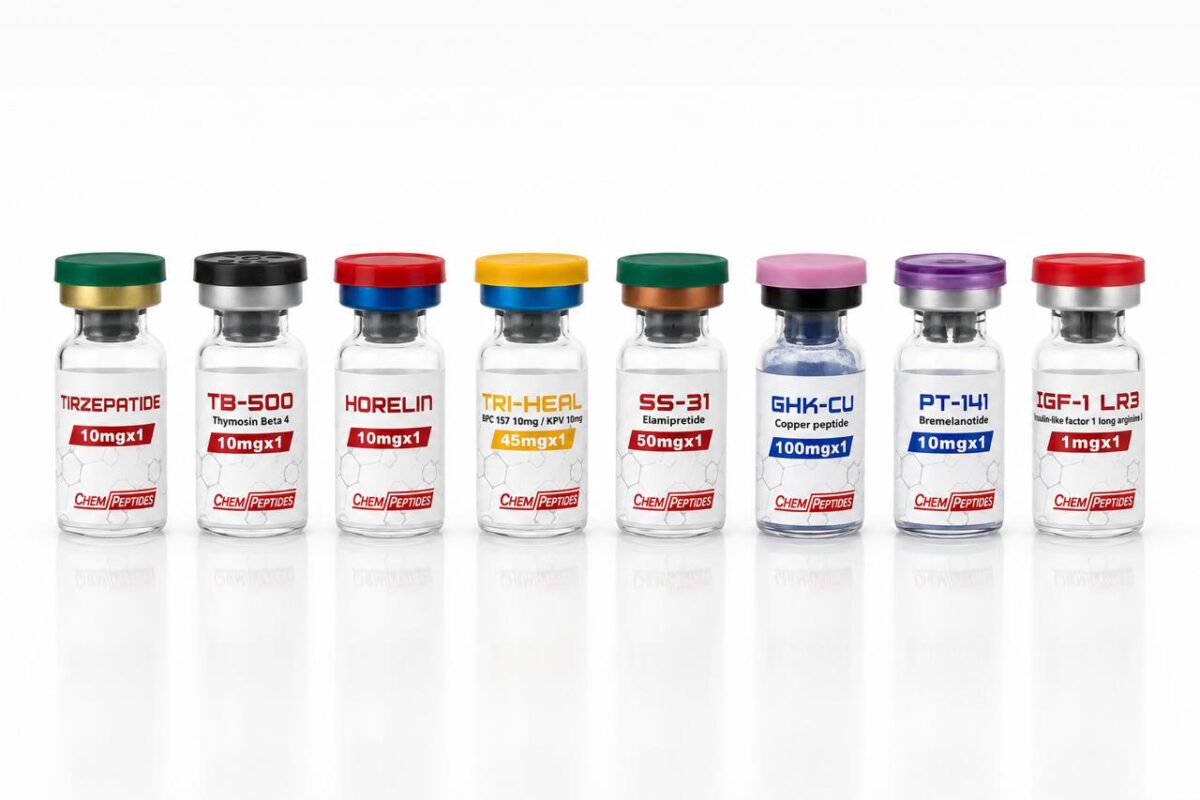
Chempeptides opereert EU-native: Nederlandse bedrijfsregistratie, EU-btw-compliant, betaalinfrastructuur met iDEAL/Bunq/SEPA, verzending vanuit de EU met de keuze voor gekoeld verzenden, CoA per batch op de productpagina’s, volledige klantenondersteuning in het Engels en Nederlands, en research-use-only kaders in alle documentatie.
Bekijk de catalogus of controleer onze verificatiestack.
Uitsluitend voor laboratoriumonderzoek.
Gerelateerd onderzoek
- Pay for Research Peptides with iDEAL: Native Dutch Checkout Explained
- 7 Red Flags That Reveal Low-Tier Peptide Suppliers
- Cold-Chain Logistics for Research Peptides: What Most Suppliers Don’t Tell You
Research disclaimer▾
Alle informatie op deze pagina is bedoeld voor laboratoriumonderzoek en in-vitro studies. Geen humane consumptie. Geen medische claims. Producten zijn niet goedgekeurd door EMA of FDA voor therapeutisch gebruik.
Research-grade materiaal bij Chempeptides
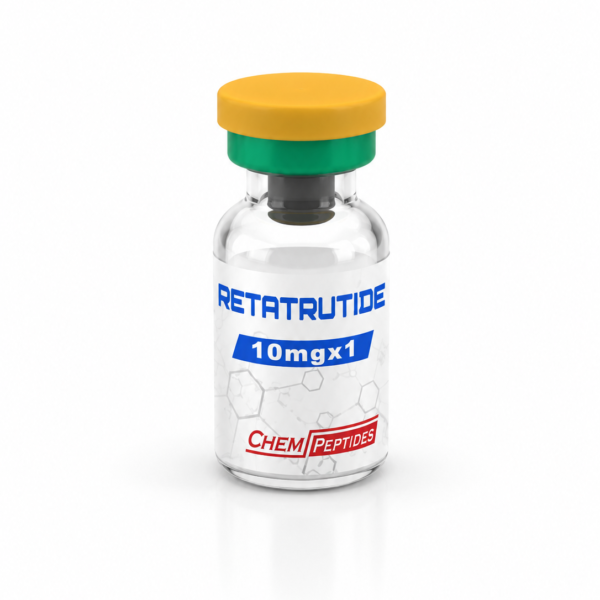
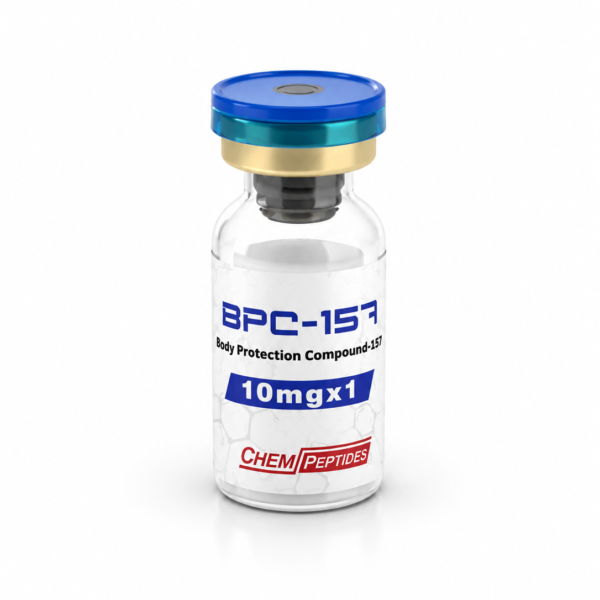
De meest gebruikte research peptiden uit onze catalogus:
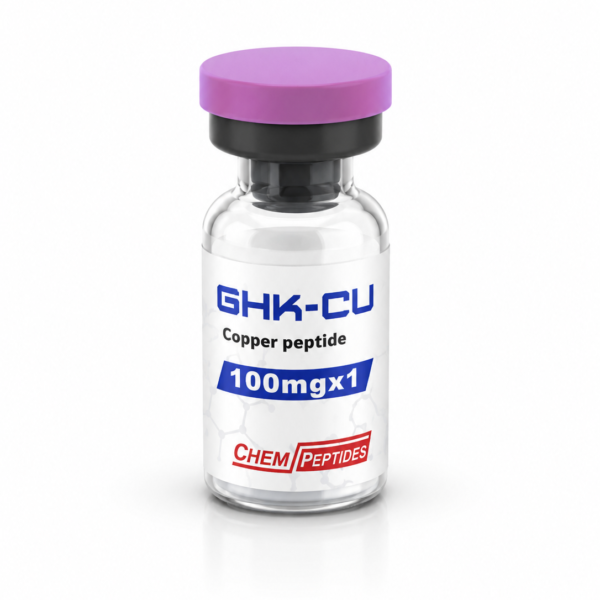
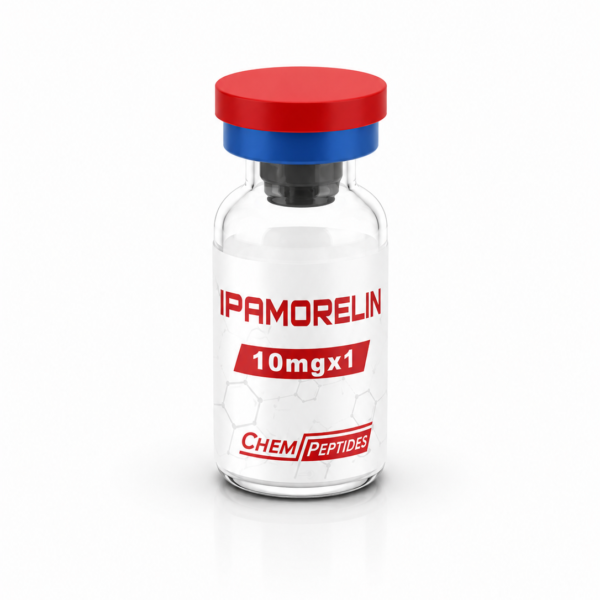
Betalen met iDEAL of Wero. Verzending in discrete verpakking vanuit Nederland. Uitsluitend voor laboratorium- en onderzoeksdoeleinden.