
Je hebt de calorieën geschrapt. Je hebt de trainingen bijgehouden. En toch beweegt de weegschaal niet, omdat honger altijd wint. Precies hier hebben GLP-1 peptiden wereldwijd de aandacht van onderzoekers getrokken. Dit is wat de studies daadwerkelijk laten zien.
Het echte probleem is eetlust, niet wilskracht
Glucagon-like peptide-1 (GLP-1) is een hormoon dat de darm na het eten afgeeft. Het signaleert verzadiging aan de hersenen en vertraagt hoe snel de maag leegt. Bij mensen die met gewicht worstelen, is die verzadigingssignalering vaak afgestompt, waardoor de honger snel terugkeert en porties toenemen. Onderzoek naar GLP-1 receptoragonisten richt zich op het herstellen van dat signaal.
Wat de trials aantoonden
In de STEP 1 trial gepubliceerd in de New England Journal of Medicine (Wilding et al., 2021) verloren deelnemers die een GLP-1 receptoragonist gebruikten naast leefstijlaanpassingen gemiddeld ongeveer 15% van hun lichaamsgewicht over 68 weken, vergeleken met ongeveer 2,4% op placebo. Latere Semaglutide- en Tirzepatide-trials (het SURMOUNT programma) rapporteerden nog grotere gemiddelde afnames. Het consistente thema over de studies heen is verminderde eetlust en energie-inname, geen metabole truc.
Waarom dit uitmaakt voor hardnekkig vet
De meeste diëten falen om een voorspelbare reden: het lichaam verdedigt zijn vetvoorraden door de honger te vergroten naarmate je afvalt. Door de verzadigingsroute te ondersteunen richt GLP-1 onderzoek zich op precies dat mechanisme, en daarom is het een van de meest bestudeerde gebieden in de metabole wetenschap geworden.
De eerlijke kanttekeningen
Studieresultaten zijn gemiddelden, gastro-intestinale effecten worden in trials het vaakst gerapporteerd, en uitkomsten hangen af van voortgezette leefstijlondersteuning. Daarom wordt het vakgebied omkaderd rond onderzoek en gecontroleerde settings in plaats van kortere wegen.
Verken gerelateerde onderzoeksoverzichten zoals Semaglutide vs Tirzepatide vs Retatrutide en de eetlustwetenschap achter waarom diëten falen.
Research disclaimer▾
Alle informatie op deze pagina is bedoeld voor laboratoriumonderzoek en in-vitro studies. Geen humane consumptie. Geen medische claims. Producten zijn niet goedgekeurd door EMA of FDA voor therapeutisch gebruik.
Onderzoeksmateriaal bij dit onderwerp
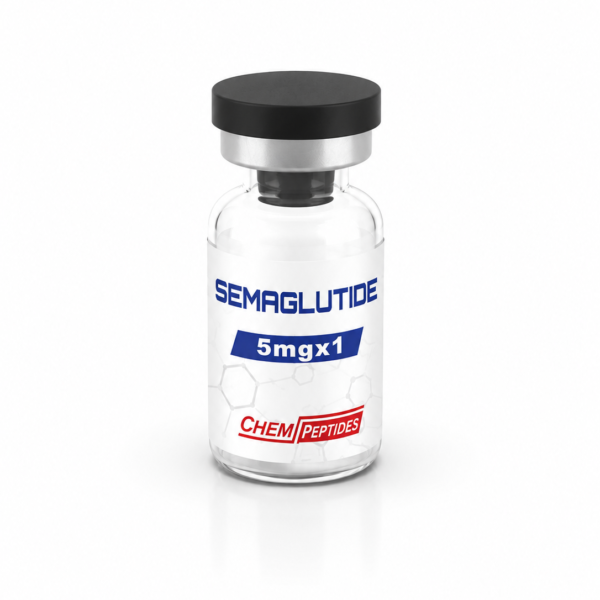
De peptiden die in metabool en vetverlies-onderzoek het meest worden gebruikt:
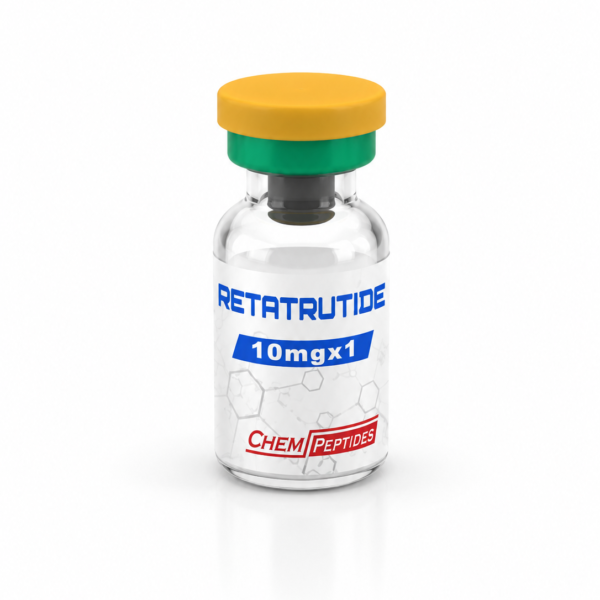
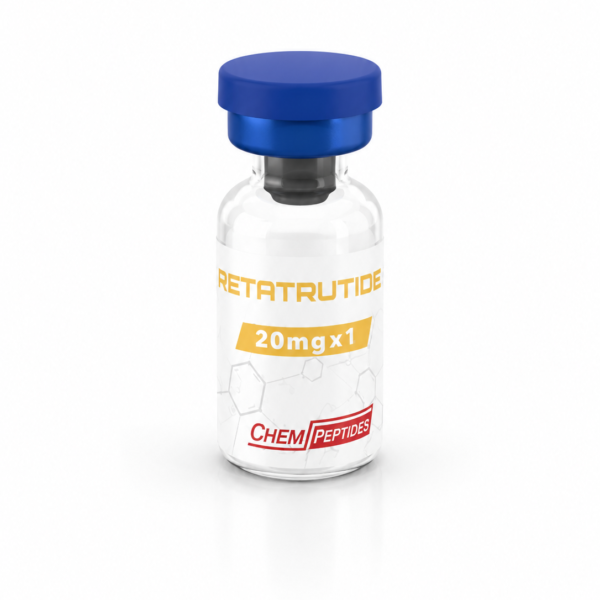
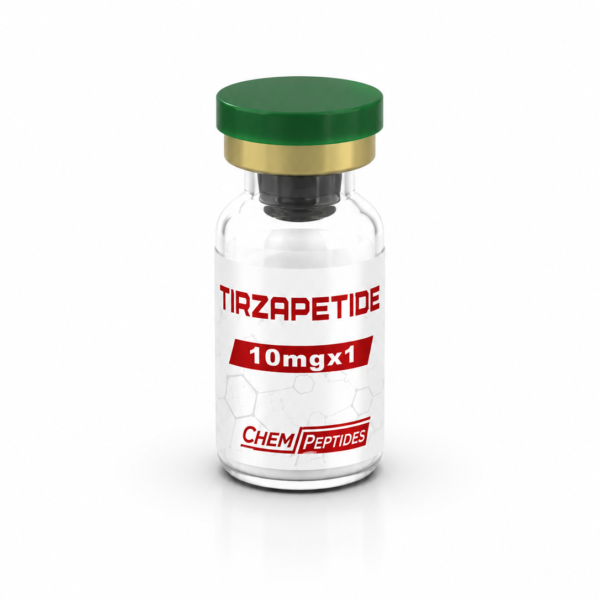
Betalen met iDEAL of Wero. Verzending in discrete verpakking vanuit Nederland. Uitsluitend voor laboratorium- en onderzoeksdoeleinden.