
Je verliest een paar kilo, dan komt de honger razendsnel terug en keert alles terug. Dat is geen zwakke wilskracht, het is biologie die precies doet waarvoor ze is geëvolueerd. Hier is de wetenschap, en waarom die ertoe doet.
Het lichaam verdedigt zijn vetvoorraden
Wanneer je afvalt, reageert het lichaam alsof het bedreigd wordt. De niveaus van het hongerhormoon ghreline stijgen, verzadigingshormonen dalen, en het rustmetabolisme kan sterker afnemen dan veranderingen in lichaamsomvang alleen voorspellen. Een baanbrekende studie van Sumithran et al. (NEJM 2011) toonde aan dat appetijtregulerende hormonen ten minste een jaar na gewichtsverlies veranderd bleven, waardoor de honger verhoogd bleef.
Waarom dit diëten zo moeilijk maakt
Deze hormonale verschuiving betekent dat je na een dieet tegelijkertijd hongeriger bent en iets minder energie verbrandt. Wilskracht vecht tegen een systeem dat over miljoenen jaren is opgebouwd om verhongering te voorkomen. Over maanden heen wint die druk bij de meeste mensen, en daarom komt gewichtstoename zo vaak terug.
Waar GLP-1-onderzoek in past
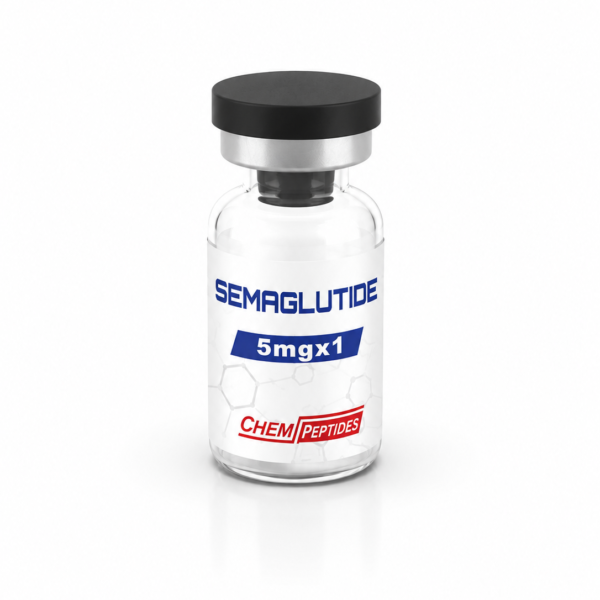
GLP-1 is een van de verzadigingssignalen die tijdens gewichtsverlies daalt. Onderzoek naar GLP-1-receptoragonisten richt zich op het ondersteunen van die verzadigingsroute, en pakt het specifieke mechanisme aan dat terugval aandrijft in plaats van uitsluitend op discipline te vertrouwen. Daarom staat de appetijtinvalshoek, niet metabolismetrucs, centraal in de wetenschap.
De conclusie
Begrijpen dat honger een gereguleerd signaal is, geen karakterfout, herkadert het hele probleem. Het is ook waarom de onderzoekswereld hulpmiddelen bestudeert die met die biologie samenwerken. Ga verder met wat het onderzoek zegt over GLP-1-peptiden en de vergelijking van de belangrijkste metabole peptiden.
Research disclaimer▾
Alle informatie op deze pagina is bedoeld voor laboratoriumonderzoek en in-vitro studies. Geen humane consumptie. Geen medische claims. Producten zijn niet goedgekeurd door EMA of FDA voor therapeutisch gebruik.
Onderzoeksmateriaal bij dit onderwerp
De peptiden die in metabool en vetverlies-onderzoek het meest worden gebruikt:
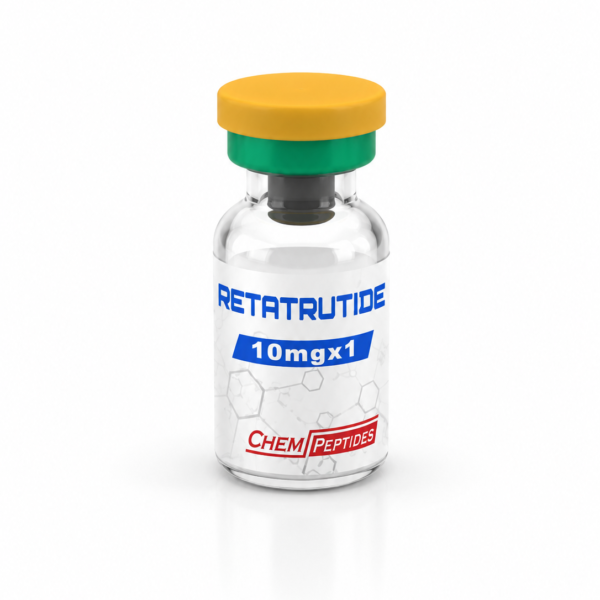
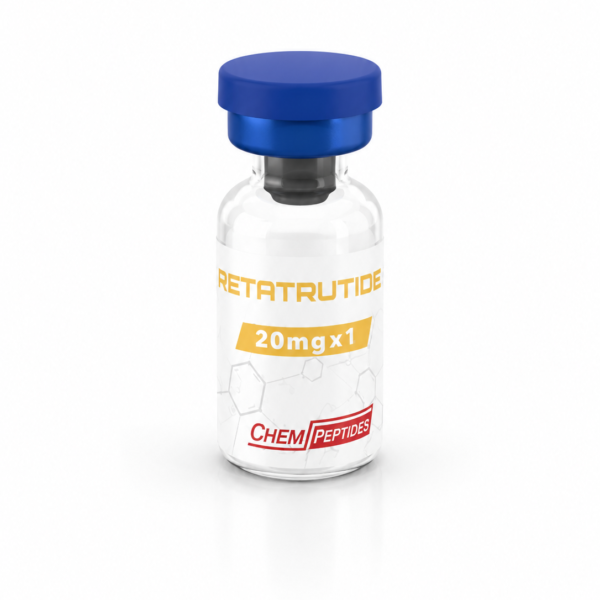
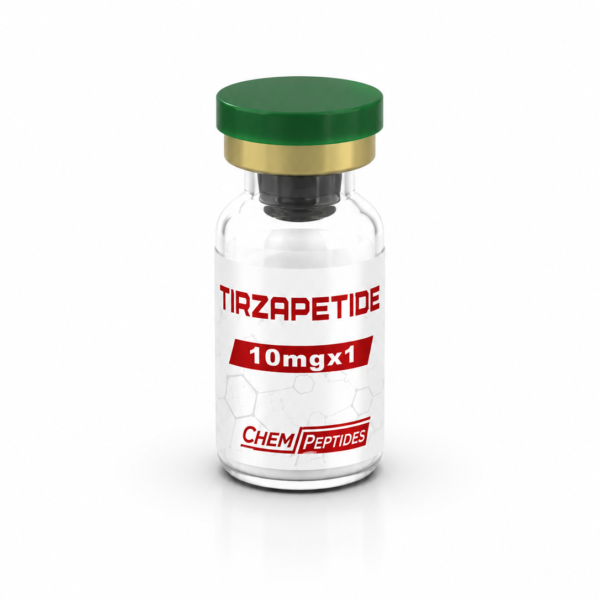
Betalen met iDEAL of Wero. Verzending in discrete verpakking vanuit Nederland. Uitsluitend voor laboratorium- en onderzoeksdoeleinden.