
Om 3 uur ’s nachts klaarwakker liggen en je de volgende dag voortslepen: slecht slapen ondermijnt ongemerkt alles, van je stemming tot je herstel. Het is ook een groeiend gebied van peptide-onderzoek. Dit is wat de studies beschrijven.
Waarom slaap verstoord raakt
Slaap wordt gereguleerd door een netwerk van hormonen en signaalmoleculen, waaronder melatonine en de biologische klok. Stress, leeftijd en leefstijl verstoren die signalering, en daarom komen slaapproblemen zo veel voor. Onderzoek naar slaappeptiden richt zich op de routes die de diepte en timing van de slaap sturen.
Peptiden die rond slaap worden bestudeerd
Delta sleep-inducing peptide (DSIP) werd voor het eerst geïsoleerd vanwege de associatie met diepe slow-wave slaap en is bestudeerd op de effecten op de slaaparchitectuur en stressreacties (Graf and Kastin, review literature). Epitalon, een synthetisch pineaal peptide, is onderzocht op zijn rol in de melatonineregulatie en circadiane signalering (Khavinson et al.). Beide zijn onderzoekscompounds waarvan de data bij mensen nog beperkt van omvang is.
Wat het bewijs ondersteunt
De mechanismen zijn interessant, maar de basis van slaap domineert nog altijd het bewijs: een consistent ritme, blootstelling aan licht en minder stimulantia. In de literatuur worden slaappeptiden bestudeerd als aanvulling binnen die context, niet als vervanging van slaaphygiëne.
De conclusie
Slaap is een gereguleerd signaal, en verstoorde signalering is waar het onderzoek naar kijkt. Ga verder met energie- en metabole peptiden en herstelonderzoek.
Research disclaimer▾
Alle informatie op deze pagina is bedoeld voor laboratoriumonderzoek en in-vitro studies. Geen humane consumptie. Geen medische claims. Producten zijn niet goedgekeurd door EMA of FDA voor therapeutisch gebruik.
Onderzoeksmateriaal bij dit onderwerp
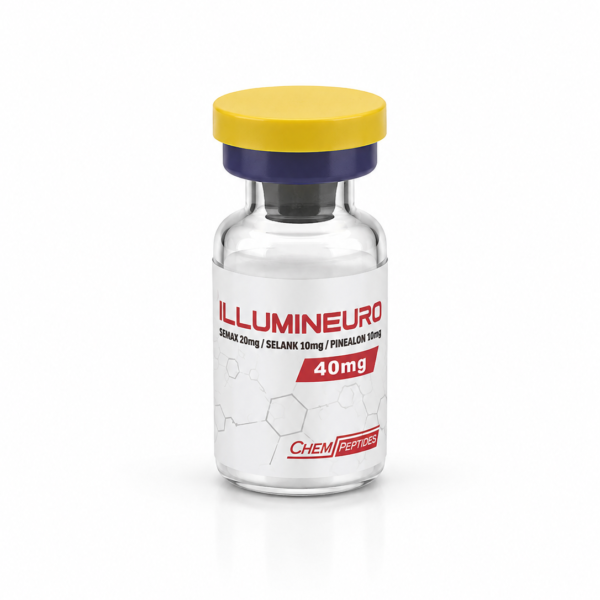
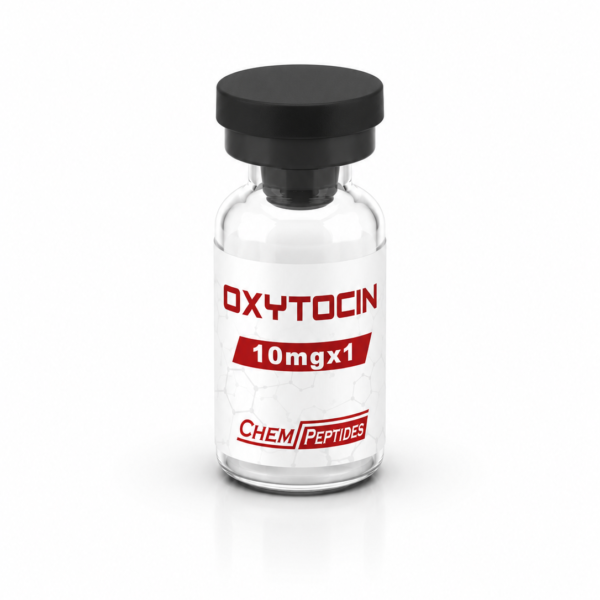
De peptiden die in neurologisch en cognitief onderzoek het meest worden gebruikt:

Betalen met iDEAL of Wero. Verzending in discrete verpakking vanuit Nederland. Uitsluitend voor laboratorium- en onderzoeksdoeleinden.