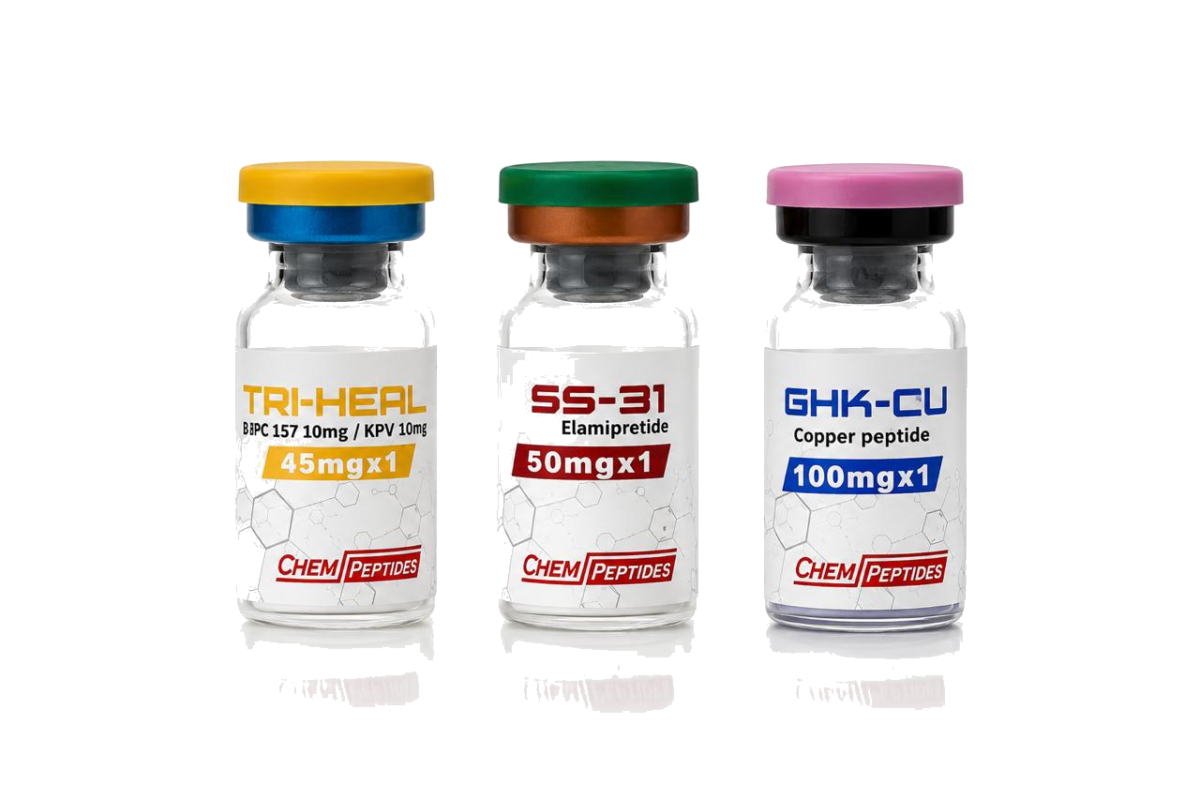
Voor Europese onderzoekslabs die peptideleveranciers evalueren, duiken twee namen regelmatig op in shortlists: Chempeptides (EU-native researchcatalogus) en PeptideSciences (in de VS gevestigde leverancier van research peptides met internationale verzending). Beide zijn actief in de categorie research peptides. De verschillen komen naar voren in de logistiek, betaling en documentatieflow die belangrijk zijn voor Europese onderzoekers. Dit is de vergelijking naast elkaar.
Geografie en verzendinfrastructuur
| Chempeptides | PeptideSciences | |
|---|---|---|
| Verzendhub | EU (Nederland) | Verenigde Staten |
| Transit naar NL | 1 werkdag | 5 tot 10 dagen |
| Transit naar DE/BE/FR | 1 tot 3 dagen | 7 tot 14 dagen |
| Risico op douanevasthouding (EU-koper) | Geen (intra-EU) | 5 tot 10% |
| Koelketen-integriteitsvenster | Ruim binnen 72-uursverpakking | Overschrijdt vaak de verpakkingscapaciteit |
Btw en douanekosten: de verborgen toeslag
Voor een EU-onderzoeker die bestelt bij een in de VS gevestigde leverancier is de vermelde prijs het startpunt, niet de eindprijs:
- Vermelde prijs (USD)
- + Internationale verzending ($25 tot $60 gebruikelijk)
- + Btw op bestemming (21% in NL, 19% in DE, enz.) toegepast op product + verzending
- + Kosten douane-expediteur (€15 tot €25 gebruikelijk voor de biochemische categorie)
- = Landed cost doorgaans 35 tot 50% boven de vermelde prijs
EU-native sourcing elimineert de stappen van btw-bij-invoer en expediteurskosten: btw is inbegrepen in de vermelde prijs.
Kwaliteitsverificatiestandaarden
Beide leveranciers hanteren verificatie op researchniveau, maar met een verschillende toegankelijkheid van documentatie:
| Standaard | Chempeptides | PeptideSciences |
|---|---|---|
| HPLC ≥98% zuiverheid | Ja | Ja |
| Massaspectrometrie | Ja, per batch | Ja, per batch |
| Karl Fischer-watergehalte | Per batch gerapporteerd | Standaardclaim |
| CoA-toegankelijkheid | Op elke productpagina | Beschikbaar op aanvraag |
| Identificatie tegenion | Gerapporteerd | Doorgaans TFA, gerapporteerd |
Het belangrijkste verschil voor het evaluatieproces: CoA per batch toegankelijk VÓÓR aankoop (Chempeptides) versus op aanvraag (PeptideSciences). Voor onderzoekslabs die due diligence vóór aankoop uitvoeren, bespaart het verschil uren tot dagen.
Betaalinfrastructuur
Chempeptides: iDEAL, Bunq Pay, SEPA, kaartverwerking: volledig EU-gereguleerde betaalmethoden. Native Nederlandse en EU-consumentflow.
PeptideSciences: kaartverwerking in USD, vaak crypto-ondersteuning. EU-kopers krijgen te maken met kosten voor valutaomrekening (doorgaans 1.5 tot 3% van de kaartuitgever) plus wisselkoersvariatie.
Voor een bestelling van €200: bij Chempeptides wordt €200 in rekening gebracht via iDEAL. Bij PeptideSciences is het ~$210 USD plus 2% FX-kosten plus btw bij de douane = €265 effectief. De betaalwrijving voegt 30%+ toe aan de effectieve kosten, bovenop het gemaksprobleem.
Taal en klantenondersteuning
EU-native leveranciers werken binnen EU-kantooruren (CET) met klantenondersteuning in de eigen taal voor grote markten. PeptideSciences werkt tijdens Amerikaanse kantooruren met ondersteuning uitsluitend in het Engels: werkbaar, maar trager voor het oplossen van problemen aan de EU-kant.
Breedte van de catalogus
Beide leveranciers voeren de veelgevraagde researchverbindingen:
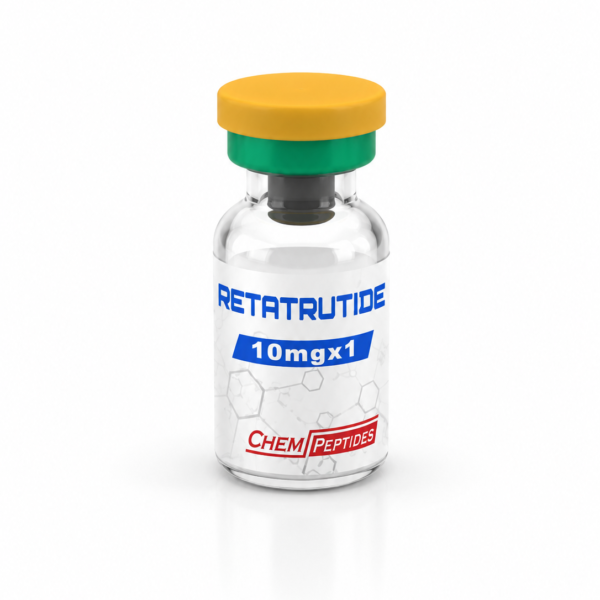
- GLP-1-klasse (semaglutide, tirzepatide, retatrutide)
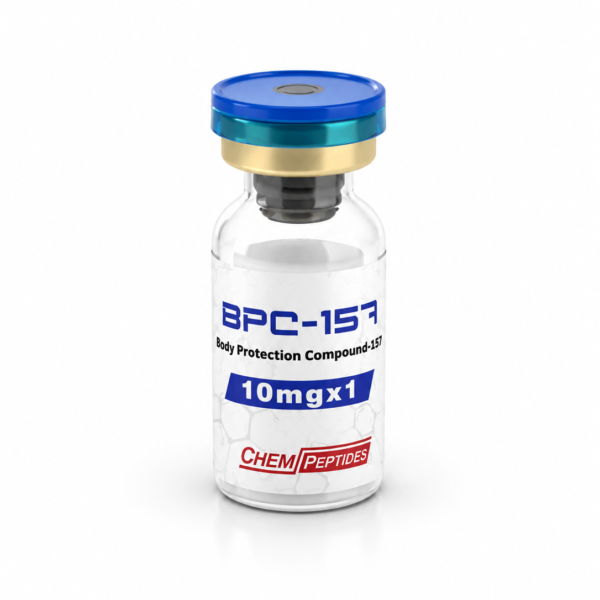
- Weefselherstel (BPC-157, TB-500)
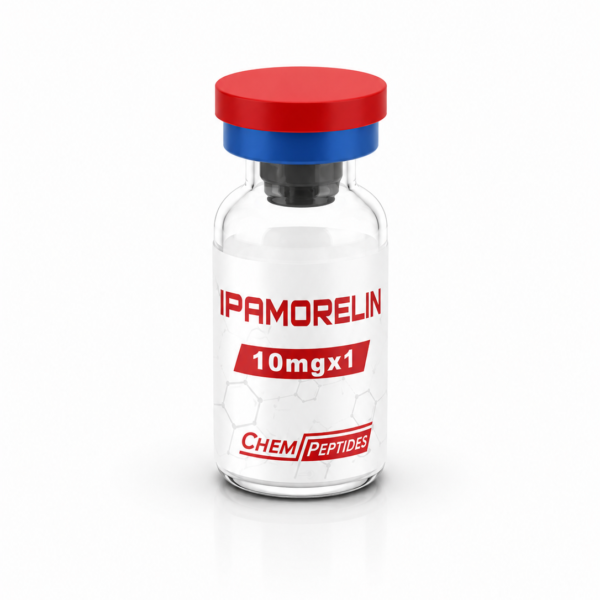
- GHRP-familie (ipamorelin, hexarelin)
- GHRH-analogen (sermorelin, CJC-1295)
- Specialistisch (MOTS-c, kisspeptin, melanotan II)
PeptideSciences heeft een breder specialistisch assortiment dankzij de schaal van de Amerikaanse markt. Chempeptides dekt de meest gevraagde EU-researchverbindingen met diepgang in metabole en mitochondriale categorieën.
Koelketenintegriteit over afstand
Het operationeel belangrijkste verschil: koelketenintegriteit. Gelyofiliseerde peptides verdragen op korte termijn gematigde temperaturen, maar degraderen bij cumulatieve blootstelling aan warmte tijdens lang transport. Faseovergangsverpakking biedt ~72 uur beschermde temperatuur.
- EU-native transit van 1 tot 3 dagen → verpakking ruim binnen het venster
- VS-naar-EU transit van 5 tot 14 dagen → verpakking overschrijdt vaak het venster
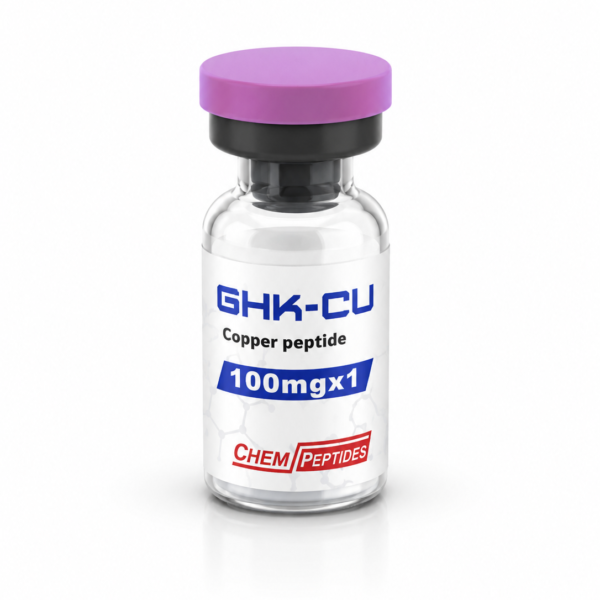
Voor gevoelige sequenties (GHK-Cu, BPC-157, TB-500) is het integriteitsverschil meetbaar in onderzoeksresultaten.
Voor Nederlandse en EU-onderzoekers: de beslismatrix
- Snelheid: EU-native wint (1 tot 3 dagen versus 5 tot 14)
- Effectieve kosten: EU-native wint (geen verrassing van btw-bij-invoer + geen FX)
- Betaling: EU-native wint (iDEAL, native facturatie in EUR)
- Toegankelijkheid documentatie: Chempeptides wint (CoA op productpagina)
- Breedte van de catalogus: PeptideSciences breder in specialistisch aanbod
- Voorspelbaarheid douane: EU-native wint (geen douane)
Voor het merendeel van de standaard researchbestellingen wint EU-native sourcing op meerdere vlakken. Voor zeer specifieke specialistische verbindingen die EU-leveranciers niet op voorraad hebben, kan sourcing uit de VS nodig zijn, en dan is de douanewrijving een acceptabele afweging.
Wat de vergelijking niet is
Dit is geen kritiek op het werk van PeptideSciences op researchniveau. Beide leveranciers hanteren verificatie op researchniveau. De vergelijking gaat puur over het voordeel in logistiek en betaalflow voor EU-onderzoekers, wat consistent in het voordeel van EU-native sourcing uitvalt.
Bekijk de Chempeptides researchcatalogus of neem ons leveranciersevaluatiekader door.
Uitsluitend voor laboratoriumonderzoek.
Gerelateerd onderzoek
- Chempeptides vs Pepfactor: EU versus grensoverschrijdende research sourcing
- Chempeptides vs Prime Peptides: verificatiestandaarden vergeleken
- De Chempeptides Quality Stack: hoe elke batch wordt geverifieerd
- Chempeptides vs Pure Lab Peptides: catalogus & kwaliteit vergeleken
- Research peptides kopen in Den Haag: premium EU sourcing
Research disclaimer▾
Alle informatie op deze pagina is bedoeld voor laboratoriumonderzoek en in-vitro studies. Geen humane consumptie. Geen medische claims. Producten zijn niet goedgekeurd door EMA of FDA voor therapeutisch gebruik.
Research-grade materiaal bij Chempeptides
De meest gebruikte research peptiden uit onze catalogus:
Betalen met iDEAL of Wero. Verzending in discrete verpakking vanuit Nederland. Uitsluitend voor laboratorium- en onderzoeksdoeleinden.