
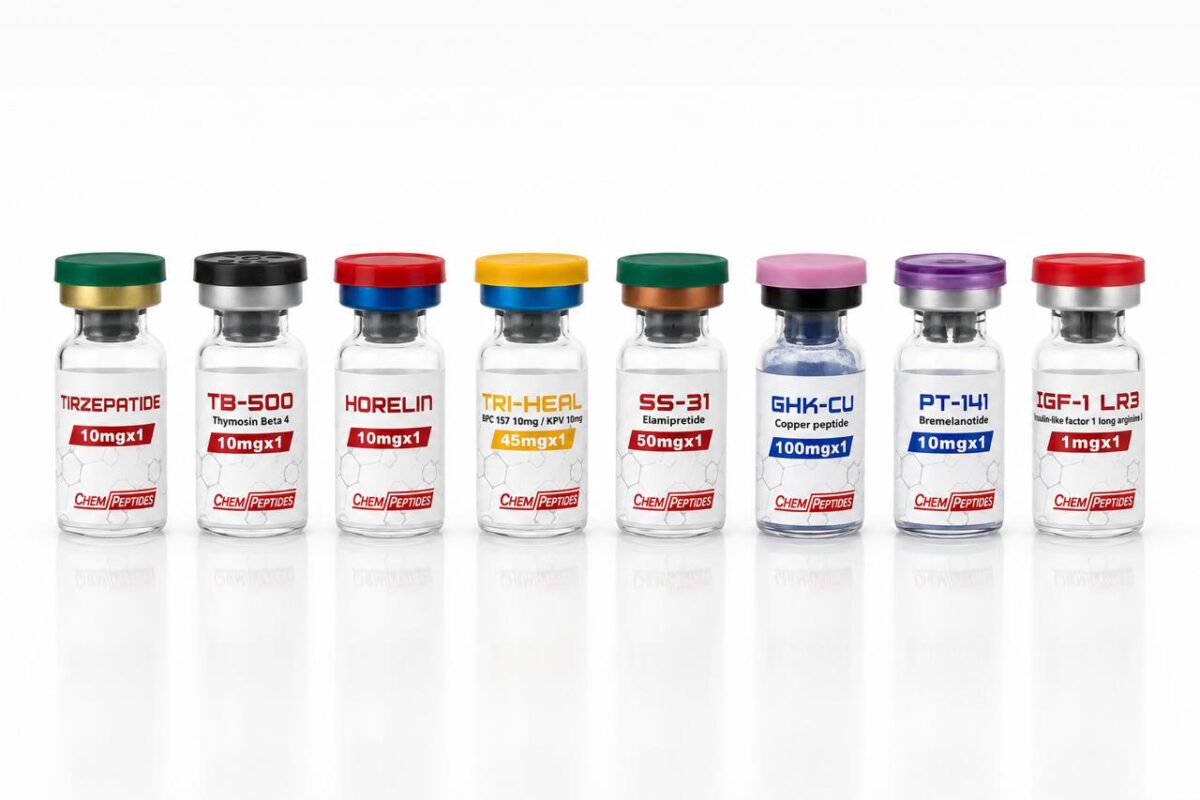
Mounjaro en Zepbound zijn verschillende merknamen voor hetzelfde molecuul: tirzepatide. Eli Lilly brengt ze onder afzonderlijke merken op de markt omdat registraties indicatiespecifiek zijn. Dit artikel verheldert wat er werkelijk verschilt en waarom hetzelfde molecuul twee namen nodig heeft.
Het gedeelde molecuul
Zowel Mounjaro als Zepbound bevatten identiek tirzepatide: een synthetisch peptide van 39 aminozuren dat zowel de GLP-1- als de GIP-receptor activeert. Dezelfde chemische structuur, dezelfde plasmahalfwaardetijd (~5 dagen), hetzelfde mechanisme.
Mounjaro: de diabetesindicatie
| Kenmerk | Detail |
|---|---|
| Goedgekeurde indicatie | Type 2-diabetes (glykemische controle) |
| Toedieningsweg | Subcutaan, wekelijks |
| Doseringsbereik | 2,5 mg → 5 tot 15 mg wekelijks |
| Onderzoeksprogramma | SURPASS (diabeteseindpunten) |
Zepbound: de obesitasindicatie
| Kenmerk | Detail |
|---|---|
| Goedgekeurde indicatie | Chronische gewichtsbeheersing (obesitas) |
| Toedieningsweg | Subcutaan, wekelijks |
| Doseringsbereik | 2,5 mg → 5 tot 15 mg wekelijks (gelijk aan Mounjaro) |
| Onderzoeksprogramma | SURMOUNT (gewichtsverlieseindpunten) |
Waarom twee merken voor één molecuul
Het regelgevingskader in de meeste landen vereist afzonderlijke handelsvergunningen voor verschillende indicaties. Eli Lilly voerde de SURPASS-onderzoeken uit om een diabetesindicatie te onderbouwen en de SURMOUNT-onderzoeken om een obesitasindicatie te onderbouwen. Elk onderzoeksprogramma bereikte zijn eindpunt; elk genereerde een afzonderlijke registratieaanvraag; elk kreeg een afzonderlijk merklabel.
Dit is dezelfde logica die ons Ozempic en Wegovy uit semaglutide gaf: hetzelfde molecuul, afzonderlijke indicaties, afzonderlijke merken. Zie ons artikel over de semaglutidemerken voor het parallelle patroon.
Verschillen in doseringstraject in de praktijk
Hoewel het doseringsbereik identiek is (2,5 tot 15 mg), verschilt de nadruk bij de titratie licht:
- De titratie van Mounjaro is gestuurd op een glykemisch doel (alleen ophogen als de A1c niet onder controle is)
- De titratie van Zepbound is gestuurd op een gewichtsdoel (ophogen om de gewichtsverliesdoelen te bereiken)
Beide volgen hetzelfde schema van 2,5 → 5 → 7,5 → 10 → 12,5 → 15 mg.
Waarom dit ertoe doet in onderzoek
Voor de analyse van onderzoeksliteratuur:
- SURPASS-onderzoeksdata verschijnen in de glykemische literatuur onder “Mounjaro”
- SURMOUNT-onderzoeksdata verschijnen in de obesitasliteratuur onder “Zepbound”
- Beide verwijzen naar hetzelfde tirzepatidemolecuul
Verwarring ontstaat wanneer populaire berichtgeving ze als verschillende geneesmiddelen behandelt. Dat zijn ze niet. Het is hetzelfde molecuul met verschillende geregistreerde indicaties.
Verschillen in kosten en toegang
In gereguleerde markten worden Mounjaro en Zepbound vaak verschillend geprijsd en hebben ze een verschillende verzekeringsdekking. Dit is een commerciële beslissing, geen farmacologische. Vanuit het perspectief van onderzoeksmateriaal is het molecuul identiek.
Onderzoekshantering
Onderzoekscatalogi vermelden “tirzepatide”: het molecuul. Merknamen worden niet gebruikt. Chempeptides levert HPLC-geverifieerd tirzepatide met batch-CoA: zie de catalogus en ons artikel over het mechanisme van tirzepatide voor meer diepgang in het protocol.
Alleen voor onderzoeksdoeleinden.
Gerelateerd onderzoek
- Tirzepatide vs Mounjaro vs Zepbound 2026: complete vergelijking voor onderzoekers
- Mounjaro Bijwerkingen: De Complete Gids op Basis van Klinisch Onderzoek
- Mounjaro uitgelegd: hoe de duale GLP-1/GIP-werking van tirzepatide werkt
- Tirzepatide Doseringsgids: Optimaal Afslankprotocol op Basis van SURMOUNT Data
- Mounjaro versus Ozempic: tirzepatide versus semaglutide naast elkaar
Research disclaimer▾
Alle informatie op deze pagina is bedoeld voor laboratoriumonderzoek en in-vitro studies. Geen humane consumptie. Geen medische claims. Producten zijn niet goedgekeurd door EMA of FDA voor therapeutisch gebruik.
Onderzoeksmateriaal bij dit onderwerp
De peptiden die in metabool en vetverlies-onderzoek het meest worden gebruikt:
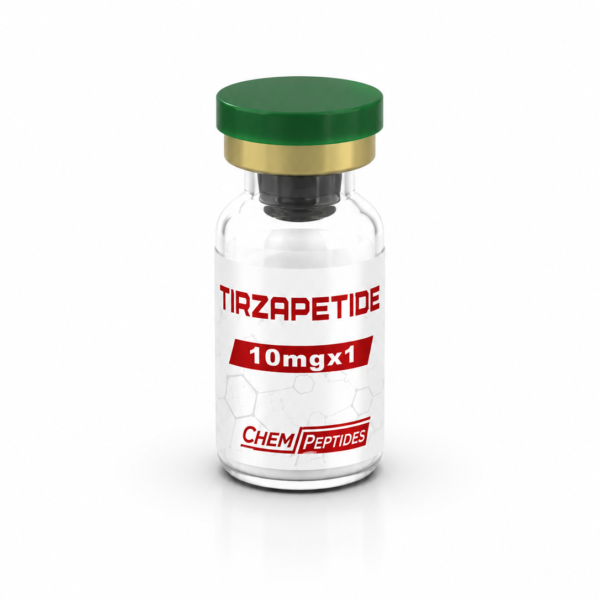
Betalen met iDEAL of Wero. Verzending in discrete verpakking vanuit Nederland. Uitsluitend voor laboratorium- en onderzoeksdoeleinden.