
Retatrutide is de meest recente toevoeging aan de klasse van incretineagonisten en het eerste molecuul dat drie receptoren gelijktijdig activeert: GLP-1, GIP en glucagon. De fase 2-resultaten van Eli Lilly, gepubliceerd in NEJM in 2023, leverden het grootste gewichtsverlies-eindpunt op dat tot nu toe in deze klasse is waargenomen. Dit artikel loopt door wat de data werkelijk laten zien en wat het drievoudige mechanisme impliceert.
Het molecuul
Retatrutide is een synthetisch peptide dat is ontworpen om drie verschillende G-eiwitgekoppelde receptoren te activeren: GLP-1, GIP en de glucagonreceptor. De sequentie bouwt voort op het duale-agonistkader van tirzepatide maar voegt een glucagonarm toe die het metabole profiel fundamenteel verandert. De plasmahalfwaardetijd is ongeveer 6 dagen, wat wekelijkse dosering ondersteunt.
Waarom het toevoegen van glucagonreceptoractivatie ertoe doet
Glucagon wordt doorgaans geassocieerd met het verhogen van de bloedglucose, het tegenovergestelde van wat een antidiabetisch peptide zou moeten doen. Maar glucagon drijft ook het energieverbruik aan: het stimuleert hepatische lipidenoxidatie, verhoogt het rustmetabolisme en bevordert thermogenese. In een gebalanceerde multi-agonist beheerst de GLP-1-arm de eetlust, sensibiliseert de GIP-arm insuline en verhoogt de glucagonarm de energieproductie.
Het resultaat: retatrutide werkt op beide zijden van de energiebalansvergelijking. GLP-1 en GIP verlagen de inname; glucagon verhoogt de output. De eerdere duale agonisten (tirzepatide, semaglutide) richtten zich voornamelijk op de inname.
Fase 2-studie: de kerncijfers
Jastreboff et al., NEJM 2023 (fase 2, 338 volwassenen met obesitas, 48 weken):
| Dosis | Gewichtsverlies na 48 weken |
|---|---|
| Placebo | 2,1% |
| Retatrutide 1 mg wekelijks | 8,7% |
| Retatrutide 4 mg wekelijks | 17,1% |
| Retatrutide 8 mg wekelijks | 22,8% |
| Retatrutide 12 mg wekelijks | 24,2% |
De arm van 12 mg produceerde 24,2% gemiddelde vermindering van het lichaamsgewicht, het grootste eindpunt dat is gepubliceerd voor enig anti-obesitas-peptide. Opvallend is dat de gewichtsverliescurve na 48 weken nog niet was afgevlakt, wat wijst op aanhoudend voordeel bij langere blootstelling. Fase 3-studies zijn gaande.
Cardiometabole markers verbeterden meer dan alleen gewicht
De studie rapporteerde verbeteringen over meerdere cardiometabole eindpunten:
- Verlaagde nuchtere glucose en HbA1c
- Lagere triglyceriden en LDL-cholesterol
- Verbeterde bloeddruk
- Verminderd levervet (proton-MRS-meting)
De vermindering van levervet is mechanistisch verbonden met glucagonreceptoractivatie, die hepatische lipidenoxidatie aandrijft.
Bijwerkingen in het fase 2-dossier
Het bijwerkingenprofiel komt overeen met de bredere klasse (misselijkheid, diarree, constipatie) maar met een dosisafhankelijk patroon. Bij de dosis van 12 mg waren gastro-intestinale voorvallen frequenter. Belangrijk is dat de glucagoncomponent niet de hyperglykemie veroorzaakte die puur glucagonagonisme zou veroorzaken: de GLP-1/GIP-armen compenseren.
Waar retatrutide in de klassenhiërarchie staat
| Verbinding | Receptoren | Best gepubliceerde eindpunt |
|---|---|---|
| Semaglutide | GLP-1 | ~14,9% na 68 weken |
| Tirzepatide | GLP-1 + GIP | ~22,5% na 72 weken |
| Retatrutide | GLP-1 + GIP + glucagon | ~24,2% na 48 weken (fase 2) |
Zie onze gedetailleerde drieweg-vergelijking.
Wat onbekend blijft
- Veiligheid op lange termijn na 48 weken
- Duurzaamheid na stopzetting
- Fase 3 head-to-head-resultaten versus tirzepatide
- Cardiovasculaire uitkomsten (CVOT-studies in afwachting)
Onderzoekshantering
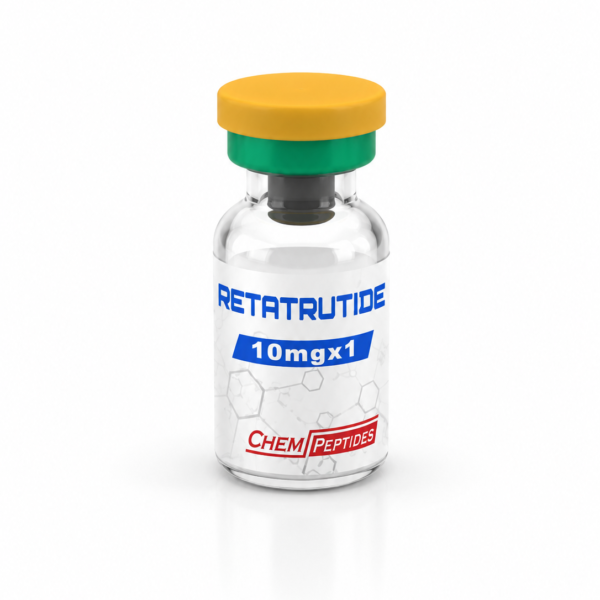
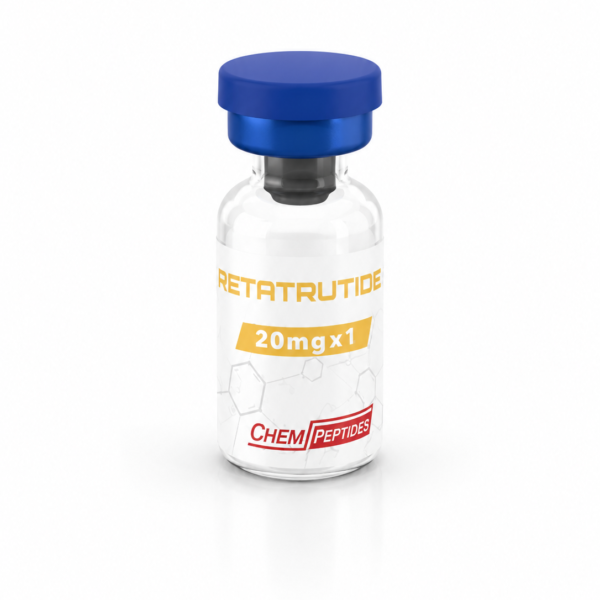
Retatrutide wordt gelyofiliseerd geleverd. Reconstitutie in bacteriostatisch water bij 5 tot 10 mg/mL is gebruikelijk. De architectuur van de triple-agonist is structureel complex: batchspecifieke CoA-verificatie is niet onderhandelbaar voor betrouwbare stabiliteitsdata.
Chempeptides levert HPLC-geverifieerd retatrutide met batch-CoA, zie de catalogus voor de huidige beschikbaarheid.
Alleen voor onderzoeksdoeleinden. Fase 2-data samengevat uit gepubliceerd klinisch onderzoek.
Gerelateerd onderzoek
- Tirzepatide vs Semaglutide vs Retatrutide: overzicht triple-agonist-onderzoek
- Retatrutide: 24% Gewichtsverlies in TRIPLE-LINE Trial, Wat 2025 Onderzoek Toont
- Retatrutide Doseringsschema: Wat het Klinisch Onderzoek Laat Zien (2026)
- Snel gewichtsverlies in GLP-1-onderzoek: wat de fase 3-studiedata werkelijk laten zien
- Semaglutide vs Tirzepatide vs CagriSema vs Retatrutide: Head-to-Head 2025
Research disclaimer▾
Alle informatie op deze pagina is bedoeld voor laboratoriumonderzoek en in-vitro studies. Geen humane consumptie. Geen medische claims. Producten zijn niet goedgekeurd door EMA of FDA voor therapeutisch gebruik.
Onderzoeksmateriaal bij dit onderwerp
De peptiden die in metabool en vetverlies-onderzoek het meest worden gebruikt:
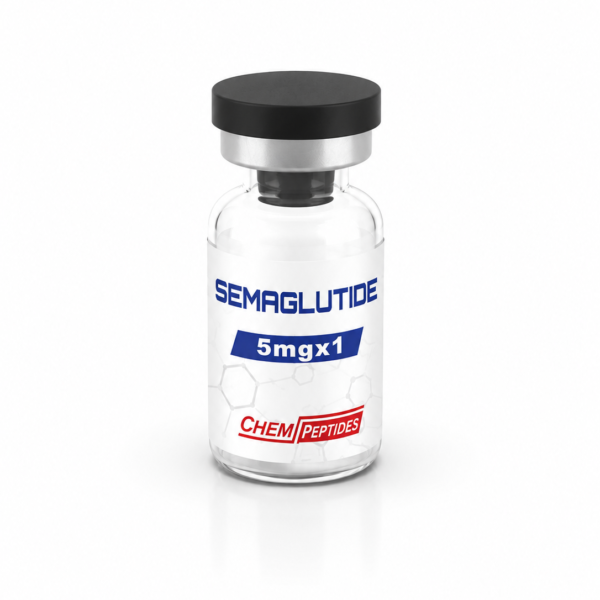
Betalen met iDEAL of Wero. Verzending in discrete verpakking vanuit Nederland. Uitsluitend voor laboratorium- en onderzoeksdoeleinden.