
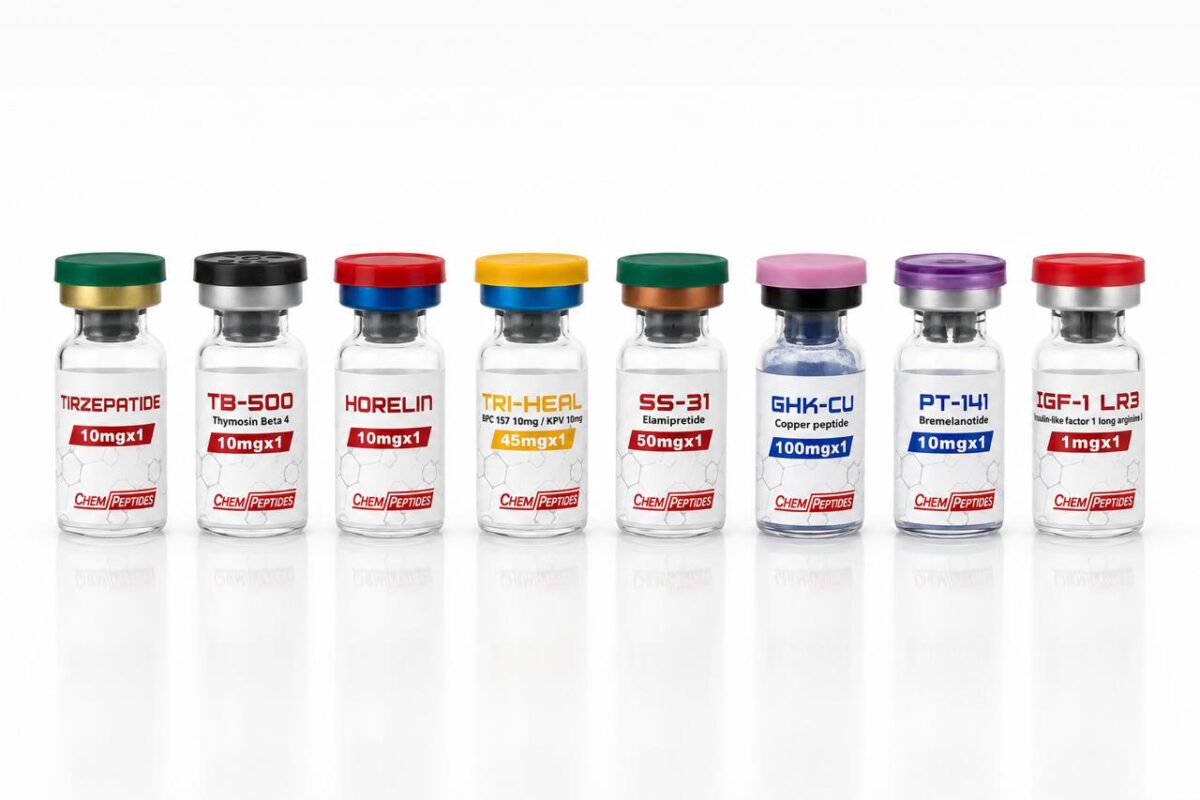
GLP-1-receptoragonisten en duale/triple agonisten worden overwegend onderzocht voor obesitas, maar hun effecten op lichaamssamenstelling en sportprestaties trekken steeds meer belangstelling in het sportwetenschappelijk onderzoek. Dit artikel brengt in kaart wat de gepubliceerde literatuur daadwerkelijk laat zien over het behoud van vetvrije massa, vetverdeling en prestatie-eindpunten in sportonderzoeksmodellen.
De kwestie van lichaamssamenstelling
Gewichtsverlies is niet hetzelfde als vetverlies. Elk aanhoudend calorietekort verlaagt zowel de vetmassa als de vetvrije massa. De cruciale onderzoeksvraag voor atleten is: welk deel van de gewichtsafname komt uit vet versus vetvrij weefsel?
DEXA-scandata uit de STEP- en SURMOUNT-onderzoeken laten zien dat bij semaglutide en tirzepatide ongeveer 65-75% van het gewichtsverlies vetmassa is, terwijl de resterende 25-35% vetvrije massa betreft: een verhouding die vergelijkbaar is met traditionele calorierestrictie. Deze klasse spaart vetvrij weefsel niet bij voorkeur.
Wat dat betekent in praktische onderzoekstermen
Voor populaties waar gewichtsverlies het primaire eindpunt is (obesitasonderzoek) is deze verdeling acceptabel. Voor sportonderzoekspopulaties met een al laag vetpercentage is het absolute verlies aan vetvrije massa een belangrijke variabele. Een gewichtsverlies van 10% bij een atleet kan neerkomen op 2-3 kg afname van vetvrij weefsel, wat directe gevolgen heeft voor de prestaties.
Krachttraining als storende factor
Onderzoek dat de toediening van een GLP-1-agonist combineert met gestructureerde krachttraining laat een verminderd verlies aan vetvrije massa zien. Het SURMOUNT-1-onderzoek corrigeerde niet voor lichaamsbeweging, maar post-hocanalyses suggereren dat deelnemers die consequent trainden meer vetvrije massa behielden, hoewel het onderzoek niet was opgezet om dit te toetsen.
Signalen uit duuronderzoek
GLP-1-agonisten beïnvloeden het substraatgebruik door de glykemische regulatie te veranderen. In duuronderzoeksmodellen:
- Verbeterde insulinegevoeligheid kan de glucoseopname tijdens inspanning vergroten
- Een verlaagde calorie-inname kan het aanvullen van glycogeen belemmeren
- De gastro-intestinale bijwerkingen (misselijkheid, vertraagde maaglediging) kunnen de tolerantie voor voeding vóór de training verminderen
Het netto-effect op duurprestaties in sportwetenschappelijk onderzoek is wisselend en afhankelijk van de trainingsfase, de beschikbaarheid van calorieën en de individuele respons.
Onderzoek naar kracht en vermogen
Krachteindpunten in GLP-1-onderzoek zijn beperkt. De beschikbare data laten zien:
- Absolute kracht neemt doorgaans af in verhouding tot het verlies aan vetvrije massa
- Relatieve kracht (per kg lichaamsgewicht) verbetert vaak door de grotere afname van de lichaamsmassa
- Het vermogen wordt beïnvloed door zowel vetvrije massa als neurale factoren die niet rechtstreeks door GLP-1 worden beïnvloed
Het glucagonaspect (retatrutide)
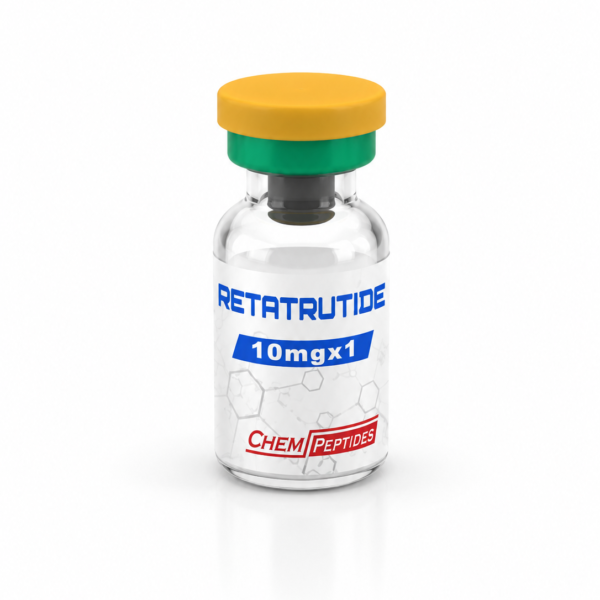
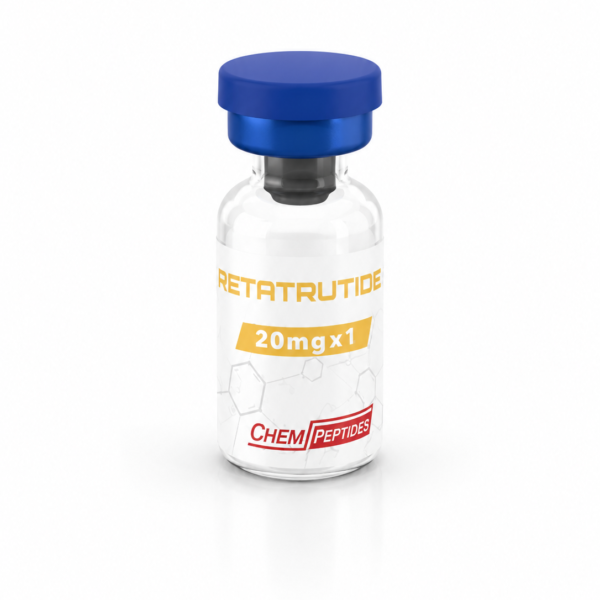
De triple agonist retatrutide voegt activatie van de glucagonreceptor toe, wat het energieverbruik verhoogt. Theoretisch zou dit meer vetverlies mogelijk kunnen maken bij kleinere calorietekorten, waardoor bij een gegeven gewichtsafname meer vetvrije massa behouden blijft. De gepubliceerde fase 2-data bevatten nog geen uitsplitsing van de lichaamssamenstelling via DEXA-scan, dus dit blijft een hypothese in afwachting van meer gegevens.
Waar het onderzoek naartoe gaat
- Combinatieprotocollen die GLP-1-agonisten koppelen aan myostatineremmers of groeihormoonsecretagogen
- Onderzoek bij sportpopulaties in niet-obese cohorten
- Onderzoek naar substraatgebruik tijdens langdurige duurinspanning
- Onderzoek naar de invloed op herstel en eiwitsynthese
Antidopingoverweging
GLP-1-receptoragonisten staan momenteel niet op de verboden lijst van WADA. Dit kan veranderen als er meer sportspecifieke data beschikbaar komen. Sportwetenschappelijke onderzoekers die werken met gereguleerde sportpopulaties dienen de actuele status te verifiëren.
Onderzoekshantering
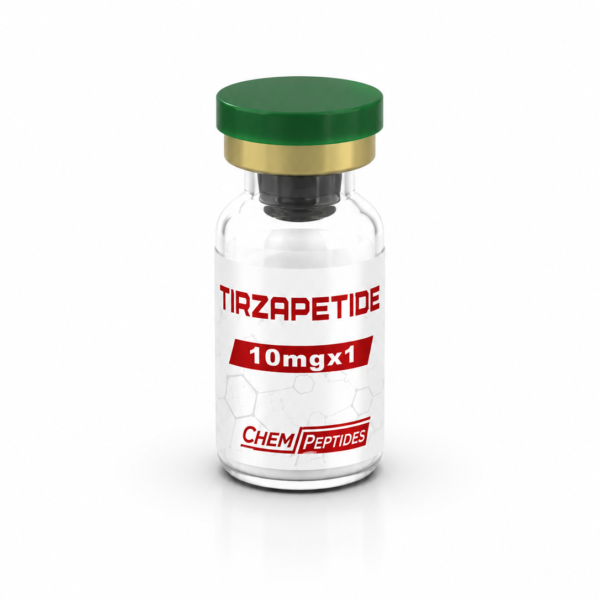
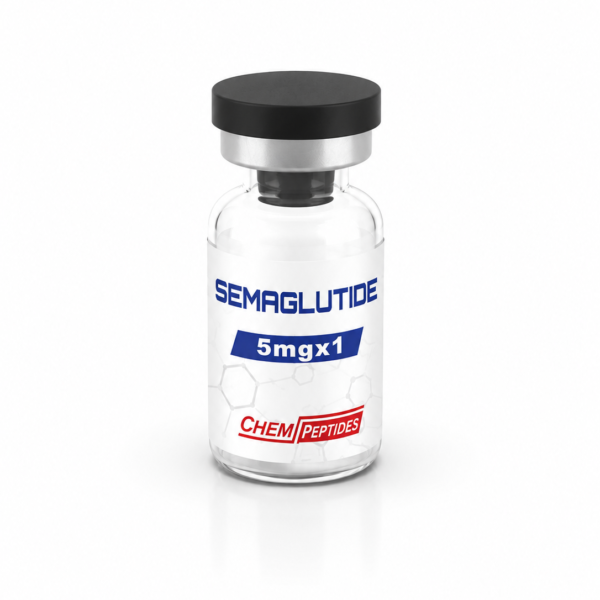
Semaglutide, tirzepatide en retatrutide worden alle gelyofiliseerd geleverd. Reconstitutie bij 5 tot 10 mg/mL in bacteriostatisch water is standaard. Zie onze oplosmiddelgids voor protocoldetails.
Chempeptides levert HPLC-geverifieerde peptiden uit de GLP-1-klasse voor sportwetenschappelijk onderzoek: zie de catalogus.
Alleen voor onderzoeksdoeleinden. Dit artikel vat gepubliceerd onderzoek samen en vormt geen medisch, trainings- of wedstrijdadvies.
Gerelateerd onderzoek
- De beste peptiden voor snelle verandering van lichaamssamenstelling: overzicht van de onderzoeksliteratuur
- Hoe GLP-1-peptiden werken: een begrijpelijke gids voor onderzoekers
- Tirzepatide versus semaglutide voor lichaamssamenstelling: vetverlies vergeleken
- GLP-1 stack: combineren van peptiden voor 30 procent sneller vetverlies
- Chempeptides versus Pure Lab Peptides: vergelijking van catalogus en kwaliteit
Research disclaimer▾
Alle informatie op deze pagina is bedoeld voor laboratoriumonderzoek en in-vitro studies. Geen humane consumptie. Geen medische claims. Producten zijn niet goedgekeurd door EMA of FDA voor therapeutisch gebruik.
Onderzoeksmateriaal bij dit onderwerp
De peptiden die in metabool en vetverlies-onderzoek het meest worden gebruikt:
Betalen met iDEAL of Wero. Verzending in discrete verpakking vanuit Nederland. Uitsluitend voor laboratorium- en onderzoeksdoeleinden.