
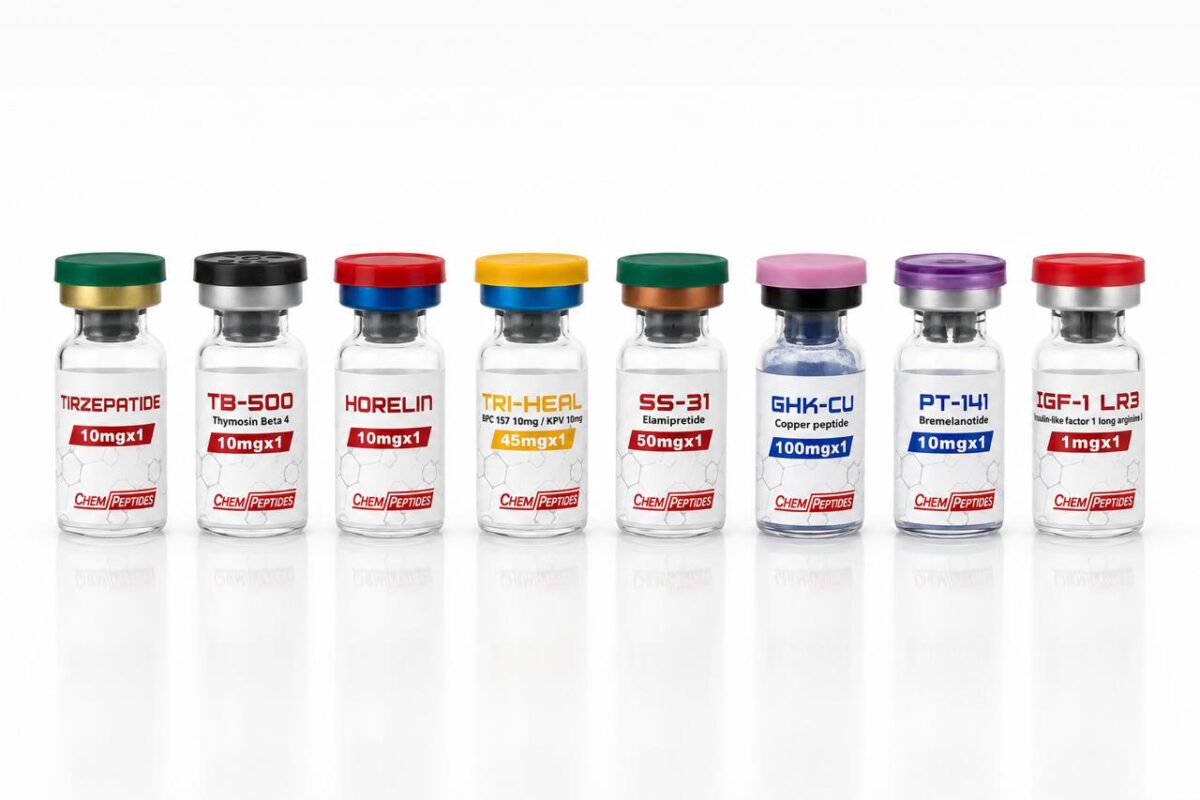
De klasse van GLP-1-receptoragonisten, semaglutide, tirzepatide, retatrutide, heeft de afgelopen jaren met goede reden het gesprek rond metabole peptiden gedomineerd. De klinische data van die verbindingen herdefinieerden wat een peptidetherapie kon bereiken in onderzoek naar glucoseregulatie en lichaamssamenstelling. Maar het molecuul dat de krantenkoppen haalde, is zelden het molecuul dat nog actief wordt onderzocht in het lab. De research-peptidechemie loopt meerdere stappen voor op de nieuwscyclus. Hier volgt een blik door de ogen van een onderzoeker op waar het veld van metabole peptiden naartoe beweegt.
Triple-agonisten en de multireceptorstrategie
Enkelvoudige receptoragonisten doen één ding goed. Duale agonisten voegden een tweede doelwit toe, GLP-1 plus GIP in het geval van tirzepatide, en leverden effecten op die geen enkele verbinding met één receptor evenaarde. De logische uitbreiding is één enkel molecuul dat drie incretineroutes of verwante routes tegelijk activeert.
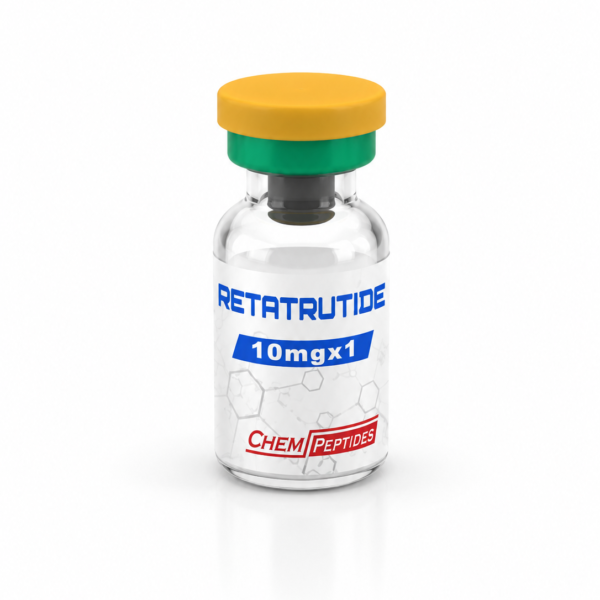
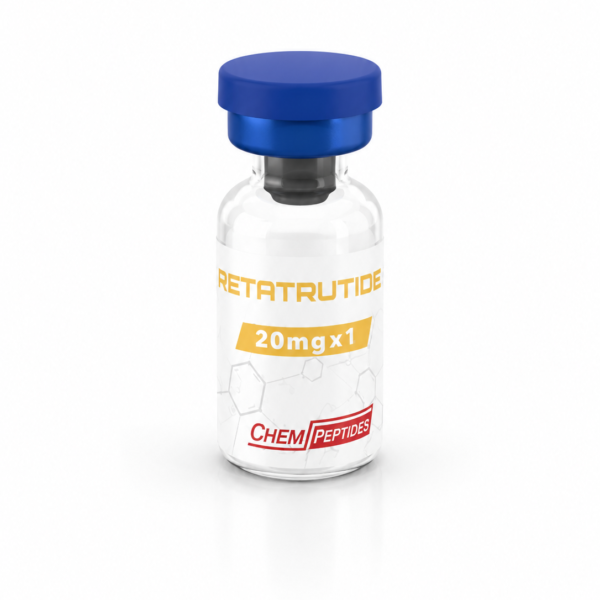
Retatrutide is het publieke gezicht van deze benadering en combineert agonisme op de GLP-1-, GIP- en glucagonreceptor in één peptideskelet. De onderzoeksinteresse ligt bij de glucagonarm: bij de juiste balans verhoogt activering van de glucagonreceptor het energieverbruik zonder hyperglykemie te veroorzaken, omdat de GLP-1- en GIP-componenten de glykemische respons compenseren. Ontwerpen op die balans is wat een veelbelovende triple onderscheidt van een klinisch risico.
Amyline-analogen en de verzadigingsas
Amyline wordt samen met insuline afgescheiden door de bètacellen van de pancreas en draagt via signalering in het centrale zenuwstelsel bij aan verzadiging na de maaltijd. Cagrilintide is de langwerkende amyline-analoog die deze klasse weer in de onderzoeksbelangstelling bracht, vaak bestudeerd in combinatie met GLP-1-receptoragonisten voor additieve effecten op de eetlustregulatie.
Het mechanistische belang is dat amyline-signalering via andere neurale circuits lijkt te werken dan GLP-1, wat wijst op niet-overlappende routes die elkaar aanvullen in plaats van verzadigen. Dit is het soort farmacologie dat onderzoek naar vastedosiscombinaties rechtvaardigt.
FGF21-mimetica en metabole flexibiliteit
Fibroblast growth factor 21 is geen klassiek incretine. Het is een hormoon dat voornamelijk door de lever wordt afgescheiden als reactie op metabole stress: vasten, langdurige inspanning, ketogene toestanden. FGF21 werkt in op vetweefsel, het centrale zenuwstelsel en de lever zelf om de insulinegevoeligheid te verbeteren, de vetoxidatie te verhogen en de vethuishouding te hervormen.
De onderzoeksuitdaging is dat natief FGF21 een halfwaardetijd van ongeveer een uur heeft. Diverse gemodificeerde analogen hebben dit dramatisch verlengd via Fc-fusie of PEGylering, wat de deur opent naar wekelijkse dosering in preklinische studies. De metabole effecten in diermodellen verschillen van die van incretinegebaseerde verbindingen, wat FGF21-mimetica interessant maakt als combinatiepartners in plaats van concurrenten.
Glucagon-only agonisten voor energieverbruik
Gedurende het grootste deel van de vorige eeuw betekende farmacologisch glucagon een noodbehandeling voor hypoglykemie. De nieuwere onderzoeksbenadering is anders: bij zorgvuldig afgestemde doses kan selectief agonisme op de glucagonreceptor het energieverbruik verhogen en de hepatische vetmobilisatie stimuleren. Het klinische gevaar is hyperglykemie, en daarom vindt al het serieuze onderzoek naar de glucagonreceptor nu plaats in de context van co-agonisme met GLP-1 of vergelijkbare contraregulerende signalen.
MOTS-c en de mitochondriaal afgeleide klasse
MOTS-c is gecodeerd binnen het mitochondriale 12S-rRNA-gen en vertegenwoordigt een volledig andere mechanistische invalshoek: een peptide dat inwerkt op het cellulaire metabolisme via AMPK-activering en routes voor metabole flexibiliteit in plaats van via receptoragonisme in de darm-hersenas. Het is structureel en mechanistisch niet verwant aan de incretinechemie, wat het een interessant onderzoekscontrast maakt.
Wat dit betekent voor de onderzoeksopzet
Het veld van metabole peptiden is verschoven van “wat doet deze ene receptor” naar “hoe combineren deze routes zich, en bij welke stoichiometrie”. Onderzoekers die vergelijkende studies uitvoeren, ontwerpen steeds vaker protocollen die één variabele vasthouden (dosis, route, schema) en het peptidemechanisme rouleren, GLP-1, GLP-1/GIP, GLP-1/GIP/glucagon, amyline, FGF21, om combinatie-effecten in kaart te brengen in plaats van effecten van één middel.
De peptiden die je vandaag bestelt, zouden die richting moeten weerspiegelen. Een onderzoekscatalogus die beperkt is tot eerstegeneratie-incretines ondersteunt geen studie die is opgezet om de volgende generatie te onderzoeken.
De positie van Chempeptides
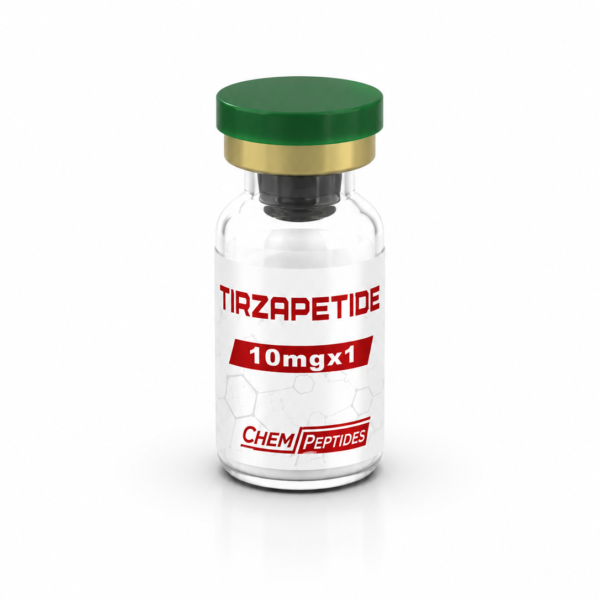
Onze categorie metabolisme en gewichtsbeheersing bevat de verbindingen die het huidige onderzoek verankeren, semaglutide, tirzepatide, retatrutide en andere, elk geverifieerd op ≥99% zuiverheid en verzonden vanuit de EU, op verzoek gekoeld met cold packs. Naarmate de literatuur van de volgende generatie zich rond nieuwe mechanismen consolideert, groeit de catalogus mee.
Bouw studies rond mechanisme, niet rond krantenkoppen. Bekijk de categorie metabole peptiden voor actuele research-grade verbindingen.
Gerelateerd leesvoer: GLP-1-Agonisten: Tirzepatide versus Semaglutide
Gerelateerd onderzoek
- Hoe GLP-1-Peptiden Werken: Een Begrijpelijke Gids voor Onderzoekers
- GLP-1-Peptiden in Sportonderzoek: Eindpunten voor Lichaamssamenstelling & Prestatie
- EU-douane & Research-Peptiden: Gids voor Importeurs
- 7 Reconstitutiefouten Die Research-Peptiden Degraderen
- Gelyofiliseerde versus Vloeibare Peptiden: Een Reconstitutiegids voor Onderzoekers
Research disclaimer▾
Alle informatie op deze pagina is bedoeld voor laboratoriumonderzoek en in-vitro studies. Geen humane consumptie. Geen medische claims. Producten zijn niet goedgekeurd door EMA of FDA voor therapeutisch gebruik.
Onderzoeksmateriaal bij dit onderwerp
De peptiden die in metabool en vetverlies-onderzoek het meest worden gebruikt:

Betalen met iDEAL of Wero. Verzending in discrete verpakking vanuit Nederland. Uitsluitend voor laboratorium- en onderzoeksdoeleinden.