Vrijwel elk research-peptide in de moderne catalogus bestaat dankzij een chemiedoorbraak die in 1963 plaatsvond in een laboratorium van Rockefeller University. Het idee klonk destijds eenvoudig: in plaats van een peptide één aminozuur tegelijk in oplossing op te bouwen, met bij elke stap isoleren, zuiveren en opnieuw koppelen, wat als je de groeiende keten verankert aan een onoplosbaar bolletje en er simpelweg reagentia doorheen spoelt? Die ene verschuiving veranderde de peptidechemie van een maandenlange kunst in een programmeerbaar proces. Zestig jaar later is elk commercieel peptide in je vriezer op deze manier gemaakt.
De basisarchitectuur
Vastefase-peptidesynthese (SPPS) bouwt de peptideketen op van de C-terminus naar de N-terminus, tegengesteld aan de manier waarop ribosomen eiwitten in cellen opbouwen. Het C-terminale aminozuur wordt via een splitsbare linker aan een harsbolletje bevestigd. Elk volgend aminozuur wordt vervolgens toegevoegd in een herhalende cyclus. Omdat de keten aan het bolletje gebonden is, verwijdert elke wasstap overtollige reagentia en bijproducten zonder het peptide zelf aan te raken.
Eén cyclus van SPPS bestaat uit drie handelingen:
- Ontscherming, het verwijderen van de tijdelijke beschermgroep op het N-terminale amine van de keten zodat deze kan reageren met het volgende aminozuur.
- Koppeling, het activeren van de carboxylgroep van het binnenkomende aminozuur en het vormen van een amidebinding met de ontschermde keten.
- Wassen, het spoelen van de hars met oplosmiddel om overtollige reagentia, bijproducten en eventuele resterende koppelingsmiddelen te verwijderen.
Herhaal deze cyclus eenmaal per aminozuur totdat de volledige sequentie is opgebouwd. Splits vervolgens de keten van het bolletje af en verwijder de beschermgroepen van de zijketens in één globale stap.
Fmoc versus Boc: de chemiekeuze
Twee chemieën domineren. Fmoc (9-fluorenylmethyloxycarbonyl) is de moderne standaard voor de overgrote meerderheid van research-peptiden. De Fmoc-groep wordt aan het begin van elke cyclus verwijderd onder milde basische omstandigheden (doorgaans 20% piperidine in DMF). Zijketens worden beschermd met zuurlabiele groepen, en de uiteindelijke afsplitsing gebruikt trifluorazijnzuur (TFA), dat de zijketenbeschermingen verwijdert en het peptide in één stap van de hars losmaakt.
Boc-chemie (tert-butyloxycarbonyl) was de oorspronkelijke SPPS-benadering. Ze gebruikt zure ontscherming bij elke cyclus (TFA) en een sterker zuur (HF of TFMSA) voor de uiteindelijke afsplitsing. Boc wordt nog steeds gebruikt voor peptiden die geen piperidine-omstandigheden verdragen of voor sterk gehinderde sequenties, maar de corrosieve verwerking en hardere eindafsplitsing hebben Fmoc tot de standaard voor algemeen werk gemaakt.
Harskeuze
Het bolletje doet er meer toe dan niet-chemici doorgaans beseffen. Wang-hars voor peptidezuren, Rink-amidehars voor peptideamiden, 2-chloortritylchloridehars wanneer het C-terminale residu zonder epimerisatie behouden moet blijven: de keuze van de hars bepaalt de C-terminale functionaliteit van het uiteindelijke peptide en beïnvloedt alles van koppelingsefficiëntie tot afsplitsingsomstandigheden.
Koppelingsreagentia en het probleem van lange sequenties
De reactie die de amidebinding vormt, heeft een activator nodig. Het reagentialandschap is geëvolueerd van vroege DCC-chemie naar moderne uronium- en fosfoniumzouten: HBTU, HATU, PyBOP, COMU. Elk kent afwegingen in koppelingssnelheid, racemisatiebeheersing en kosten. HATU, doorgaans beschouwd als het betrouwbaarst voor moeilijke koppelingen, is ook het duurst.
Voor korte peptiden (onder 20 residuen) is de koppelingsefficiëntie zelden het knelpunt. Voor langere peptiden (30+ residuen) wordt het cumulatieve effect van zelfs minuscule mislukkingen per stap ernstig. Een koppelingsefficiëntie van 99% over 30 cycli betekent dat slechts 74% van de ketens compleet wordt. Daarom vereisen lange peptiden pseudoproline-dipeptiden, magnetronondersteunde verwarming of fragmentcondensatiestrategieën om moeilijke koppelingsregio’s te vermijden.
Afsplitsing en de cocktail
Zodra de keten compleet is, moet het peptide van de hars worden losgemaakt en van de zijketenbeschermgroepen worden ontdaan. De afsplitsingscocktail is doorgaans TFA (90-95%) plus scavengers: water, triisopropylsilaan, ethaandithiol, thioanisool. De scavengers vangen reactieve carbokationen af die tijdens de ontscherming vrijkomen en voorkomen dat deze gevoelige zijketens (tryptofaan, methionine, tyrosine, cysteïne) alkyleren.
De keuze van de scavenger-cocktail is sequentieafhankelijk. Cysteïnerijke peptiden vereisen andere bescherming dan tryptofaanrijke sequenties. Dit verkeerd doen introduceert onomkeerbare bijproducten die de HPLC verderop wel zal onthullen, maar niet kan verwijderen.
Zuivering: waar het getal van ≥99% vandaan komt
Ruw SPPS-product is nooit zuiver genoeg voor onderzoeksgebruik. Het ruwe product wordt doorgaans opgelost, gelyofiliseerd en vervolgens gezuiverd met preparatieve reverse-phase HPLC. Fracties worden verzameld, geanalyseerd met analytische HPLC en massaspectrometrie, en alleen de fracties die aan de zuiverheidsspecificatie voldoen, worden samengevoegd. Dit is de stap die ≥99% zuiverheid mogelijk maakt. Het is ook de reden dat zuiverheidscertificering lotspecifiek moet zijn: elke synthese produceert een iets andere verdeling van verontreinigingen, en elke zuiveringspool heeft zijn eigen chromatogram.
Waarom dit ertoe doet bij het bestellen van peptiden
Een leverancier die de synthese, de afsplitsingschemie en de zuivering beheert, is end-to-end verantwoordelijk voor het eindproduct. Een leverancier die in bulk inkoopt en herverpakt, is dat niet. De vragen die het waard zijn om te stellen, zijn eenvoudig: Waar is dit peptide gesynthetiseerd? Welke chemie is gebruikt? Is de uiteindelijke HPLC-analyse met de ruwe data beschikbaar? De antwoorden scheiden research-grade peptidechemie van een geheretiketteerd monster van onbekende herkomst.
Elke Chempeptides-verbinding wordt met HPLC gezuiverd tot ≥99% met traceerbare analytische documentatie. Bekijk de catalogus met research-peptiden.
Gerelateerd leesvoer: HPLC-verificatie: Waarom ≥99% Ertoe Doet
Gerelateerd onderzoek
- Binnen een Echte Peptideonderzoeksworkflow: Van Synthese tot Publicatie
- Peptiden Uitgelegd: Jouw Ultieme Gids om Peptiden te Begrijpen
- REACH- en CLP-naleving voor Research-Peptiden: Het EU-kader voor Chemische Registratie Uitgelegd
- Ozempic Uitgelegd: Het Mechanisme van Semaglutide in Afvalonderzoek
- Snel Gewichtsverlies in GLP-1-Onderzoek: Wat de Fase 3-Studiedata Werkelijk Laten Zien
Research disclaimer▾
Alle informatie op deze pagina is bedoeld voor laboratoriumonderzoek en in-vitro studies. Geen humane consumptie. Geen medische claims. Producten zijn niet goedgekeurd door EMA of FDA voor therapeutisch gebruik.
Research-grade materiaal bij Chempeptides
De meest gebruikte research peptiden uit onze catalogus:
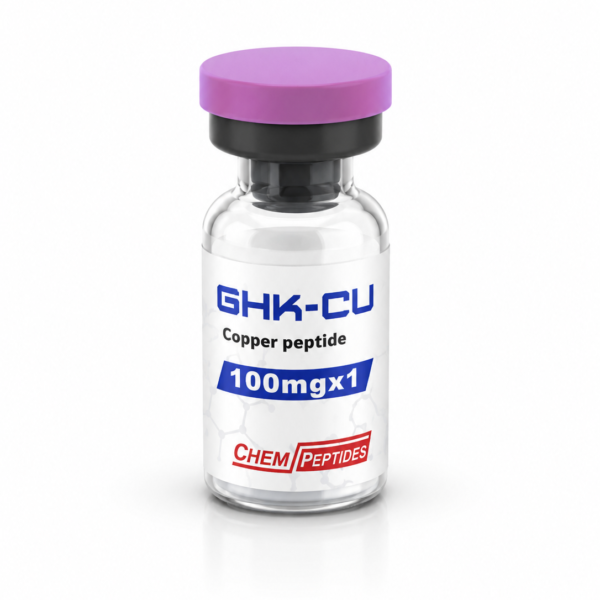
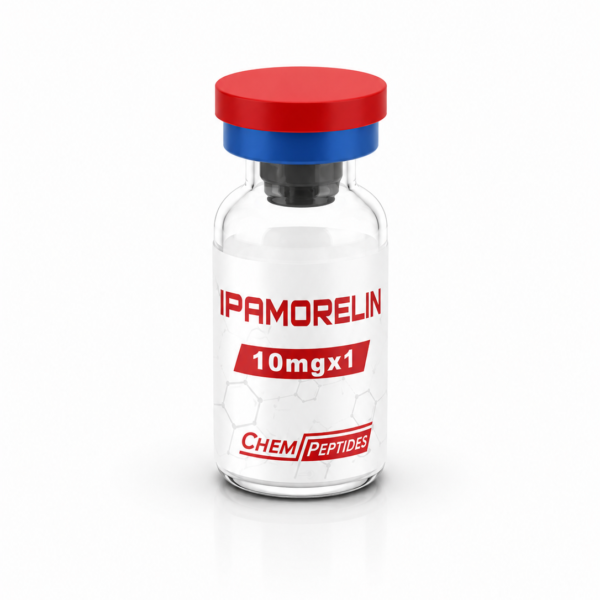
Betalen met iDEAL of Wero. Verzending in discrete verpakking vanuit Nederland. Uitsluitend voor laboratorium- en onderzoeksdoeleinden.