Hoe HPLC en Massaspectrometrie de Identiteit van Peptides Verifiëren in een Onderzoekslaboratorium
De twee analytische technieken die elke legitieme peptidevrijgave verankeren zijn high-performance liquid chromatography (HPLC) en mass spectrometry (MS). Ze beantwoorden twee verschillende vragen over een flacon synthetische verbinding: Hoe zuiver is het? en Is het werkelijk het molecuul op het etiket? Geen van beide vragen heeft iets te maken met gebruik bij mens of dier: het zijn de poortwachters van de integriteit van analytisch onderzoek.
HPLC: Zuiverheid Kwantificeren
Reversed-phase HPLC scheidt een peptide van synthese-gerelateerde onzuiverheden: afgeknotte sequenties, deletiepeptides, geoxideerde methioninen, geracemiseerde residuen en resterende oplosmiddelen. De standaardconfiguratie voor peptide-analyse is:
- Kolom: C18-silica, 4.6 × 250 mm, 5 µm deeltjesgrootte
- Mobiele fase A: water + 0.1% trifluorazijnzuur (TFA)
- Mobiele fase B: acetonitril + 0.1% TFA
- Gradiënt: doorgaans 5% tot 65% B over 30 minuten
- Detectie: UV bij 214 nm (absorptie van de peptidebinding) en vaak 280 nm (Trp/Tyr)
Een research-grade vrijgavecriterium van ≥ 99% oppervlaktezuiverheid betekent dat wanneer het chromatogram wordt geïntegreerd, de hoofdpiek ten minste 99% van de totale UV-absorptie uitmaakt. Alles daaronder wijst op meetbare onzuiverheden: vaak afkomstig van onvolledige koppelingsreacties tijdens vastefasesynthese.
Dit is dezelfde techniek die het oorspronkelijke artikel uit 1963 over vastefase-peptidesynthese (Journal of the American Chemical Society, 85:2149) uiteindelijk op schaal mogelijk maakte. Moderne UHPLC-systemen brengen de analyse terug tot 5 tot 10 minuten per monster zonder in te leveren op resolutie.
Massaspectrometrie: Identiteit Bevestigen
HPLC vertelt je dat een piek schoon is. Massaspectrometrie vertelt je wat die piek is. De twee meest gebruikte methoden voor peptide-identificatie:
- ESI-MS (electrospray-ionisatie): peptide wordt vanuit oplossing in de bron gesprayd als meervoudig geladen ionen [M+H]⁺, [M+2H]²⁺, [M+3H]³⁺. De m/z-waarden worden gedeconvolueerd tot de neutrale monoisotopische massa.
- MALDI-TOF: peptide wordt geco-kristalliseerd met een matrix (α-cyaan-4-hydroxykaneelzuur of sinapinezuur) op een targetplaat en vervolgens geïoniseerd door een laserpuls. Time-of-flight-scheiding geeft de massa direct.
Uitgewerkte voorbeelden van veelgebruikte research-peptides:
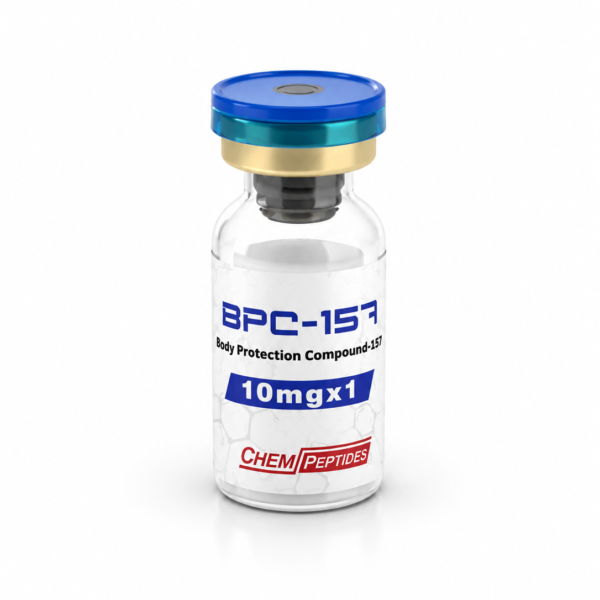
- BPC-157: berekende monoisotopische massa 1418.71 Da. Acceptatievenster ±0.5 Da.
- TB-500 (Thymosine β-4-fragment): berekend 4961.51 Da. ESI-MS rapporteert doorgaans de [M+4H]⁴⁺-piek bij m/z 1241.39.
- Semaglutide: berekend 4113.58 Da. Multi-charge envelop van m/z 823.7 ([M+5H]⁵⁺) tot m/z 1372.2 ([M+3H]³⁺).
- GHK-Cu: Gly-His-Lys + Cu²⁺. Vrij GHK berekend 340.18 Da; het koper-complex verschuift met +61.93 Da.
Wat een Eerlijke COA Rapporteert
Een Certificate of Analysis van een serieuze onderzoeksleverancier moet minimaal het volgende vermelden:
- Naam van de verbinding en aminozuursequentie
- Molecuulformule en berekende massa
- Waargenomen massa uit MS, met methode (ESI of MALDI)
- HPLC-zuiverheidspercentage met chromatografische condities
- Netto peptidegehalte (corrigeert voor water en tegenionen: doorgaans 70 tot 90% van de gelyofiliseerde massa voor TFA-zouten)
- Batchnummer en analysedatum
- Handtekening of initialen van de analytisch chemicus
Wat een COA niet bevat, omdat het niet relevant is voor laboratoriumonderzoek, zijn steriliteitsgegevens, endotoxinespiegels, USP/EP-compendiummonografieën of doseringsaanbevelingen. Dat zijn farmaceutische specificaties en worden niet geproduceerd voor onderzoekspartijen.
Waarom Deze Documentatie Wetenschappelijke Waarde Heeft
Gepubliceerd in-vitro werk is afhankelijk van traceerbaar uitgangsmateriaal. Wanneer een laboratorium een BPC-157-dosis-respons rapporteert in een model voor peesgenezing, zal de methodesectie van het manuscript de leverancier, batch, HPLC-zuiverheid en MS-bevestiging vermelden. Reviewers verwachten dit. Een peptide zonder analytische documentatie kan niet worden gebruikt in publiceerbaar onderzoek: de data zouden de peer review niet doorstaan.
Daarom geeft Chempeptides verbindingen vrij op basis van HPLC- en MS-criteria en stelt het de COA per batch beschikbaar. Het is het document dat een laboratoriumchemicus vertelt: dit materiaal is wat het zegt te zijn, met de precisie die de literatuur vereist.
De Standaard Die Chempeptides Vrijgeeft
- HPLC-zuiverheid ≥ 99% naar oppervlak bij 214 nm
- Massaspectrometrie-identiteit bevestigd binnen 0.5 Da van de berekende waarde
- Netto peptidegehalte vermeld op de COA
- Batchtraceerbaarheid van synthese tot vrijgave
Dit is onderzoeksleveringswerk. Het bestaat om analytische methodeontwikkeling, receptorbindingsassays, celgebaseerde farmacologie en de bredere peptideliteratuur te ondersteunen: niets daarvan houdt consumptie door mens of dier in.
Uitsluitend voor laboratorium- en analytisch onderzoek. Niet voor menselijke consumptie, dierlijke consumptie of therapeutisch gebruik. Certificates of Analysis per batch beschikbaar op aanvraag.
Gerelateerd onderzoek
- HPLC Verification: Why ≥99% Matters
- The Anatomy of Peptide Purity: Why ≥99% HPLC Verification Matters
- HPLC Zuiverheid van 99 Procent: Waarom Het Verschil Maakt Bij Onderzoek-Grade Peptides
- HPLC Purity ≥99% in Research Peptides: How High-Performance Liquid Chromatography Verifies Compound Integrity
- Certificate of Analysis (CoA) for Research Peptides: What Every Laboratory Should Verify
Research disclaimer▾
Alle informatie op deze pagina is bedoeld voor laboratoriumonderzoek en in-vitro studies. Geen humane consumptie. Geen medische claims. Producten zijn niet goedgekeurd door EMA of FDA voor therapeutisch gebruik.
Research-grade materiaal bij Chempeptides
De meest gebruikte research peptiden uit onze catalogus:
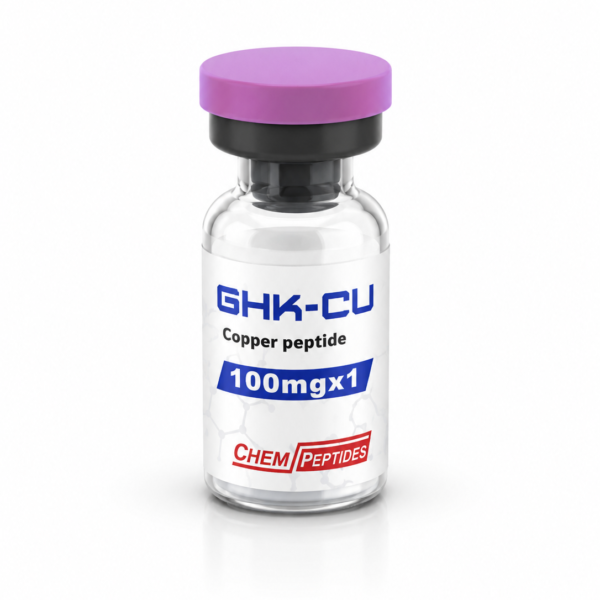
Betalen met iDEAL of Wero. Verzending in discrete verpakking vanuit Nederland. Uitsluitend voor laboratorium- en onderzoeksdoeleinden.