GHK-Cu en BPC-157 in Onderzoek naar Huid- en Weefselherstel: Een Mechanistisch Overzicht
GHK-Cu (het tripeptide glycyl-L-histidyl-L-lysine gecomplexeerd met koper) en BPC-157 zijn twee van de meest bestudeerde peptiden in dermatologische en zachte-weefsel-onderzoeksmodellen. Hun mechanismen zijn verschillend, en de gepubliceerde literatuur over elk is aanzienlijk. Deze blog vat het in-vitro en diermodelonderzoek naar beide verbindingen samen en de rationale om ze in combinatie te bestuderen.
GHK-Cu: Decennia van Huidonderzoek
Het peptide GHK (glycyl-histidyl-lysine) werd in 1973 voor het eerst geïsoleerd uit menselijk plasma. Later werd vastgesteld dat de actieve vorm voor weefselherstel-experimenten het koper(II)-complex is, GHK-Cu. De verbinding is meer dan 50 jaar gekarakteriseerd in laboratorium- en klinische onderzoeksmodellen.
- Pickart L. Journal of Investigative Dermatology, 1979: eerste beschrijving van GHK als een hepatocyt-groeifactor
- Maquart FX, et al. FEBS Letters, 1988, 238:343-346: GHK-Cu stimuleerde collageen- en glycosaminoglycaan-synthese in rat-granulatieweefsel bij 100 nM
- Pickart L, Margolina A. International Journal of Molecular Sciences, 2018, 19:1987: uitgebreid overzicht van GHK-Cu in huidregeneratie, antioxidant-signalering en genexpressie-modulatie
- Pickart L, et al. BioMed Research International, 2015: GHK-Cu moduleerde de expressie van meer dan 4,000 menselijke genen in gekweekte huidfibroblasten bij 1-10 nM (DNA-microarray-data)
Mechanistische bevindingen uit de in-vitro literatuur:
- Kopertransport: GHK-Cu levert koperionen aan fibroblasten, ter ondersteuning van koperafhankelijke enzymen waaronder lysyloxidase (collageen-crosslinking) en superoxidedismutase
- Genexpressie-modulatie: in het microarray-onderzoek uit 2015 reguleerde GHK-Cu bij 10 nM genen geassocieerd met chronische ontsteking neerwaarts en genen betrokken bij huidremodellering en DNA-herstel opwaarts
- Decorine-stimulatie: decorine is een klein leucinerijk proteoglycaan betrokken bij collageenfibril-organisatie; GHK-Cu stimuleert decorine-genexpressie in gekweekte fibroblasten
- Angiogenese: in Matrigel-angiogenese-assays produceerde GHK-Cu bij 100 nM een toename van ongeveer 1.5-2x in HUVEC-buisvorming vergeleken met vehikel-controle
BPC-157: Het Onafhankelijke Herstelpad
BPC-157 werkt via andere mechanistische paden dan GHK-Cu. Waar de primaire effecten van GHK-Cu koperafhankelijke enzymactiviteit en genexpressie-modulatie lijken te omvatten, omvatten de gepubliceerde mechanismen van BPC-157:
- Groeihormoonreceptor-expressie: Chang CH et al. (Journal of Applied Physiology, 2014, 117:1216-1225) toonden aan dat BPC-157 de GH-receptorexpressie op pees-afgeleide fibroblasten opreguleert, waardoor de responsiviteit voor circulerend groeihormoon toeneemt
- Stikstofmonoxide (NO)-padmodulatie: meerdere publicaties beschrijven de interactie van BPC-157 met NO-synthesepaden in vasculaire en gastro-intestinale modellen
- VEGF- en FGF-expressie: in wondgenezings-ratmodellen verhoogde toediening van BPC-157 de lokale VEGF- en FGF-mRNA-expressie op de letselplaats (Hsieh MJ et al., Journal of Surgical Research, 2017)
- Cellulaire migratie: in scratch-wound assays op rat-fibroblasten versnelde BPC-157 bij 1 nM tot 1 µM de wondsluiting vergeleken met vehikel-controles
De molecuulformule van BPC-157 is C62H98N16O22 (monoisotopische massa 1418.71 Da). De molecuulformule van GHK is C14H24N6O4 (monoisotopische massa 340.18 Da); het kopercomplex GHK-Cu voegt 61.93 Da toe.
De Gecombineerde Stack-Onderzoeksrationale
Wanneer laboratoria gecombineerde blootstellingsexperimenten ontwerpen met GHK-Cu en BPC-157, put de mechanistische rationale uit het feit dat de twee peptiden verschillende cellulaire paden moduleren:
| Pad | GHK-Cu | BPC-157 |
|---|---|---|
| Koperafhankelijke enzymen | Direct | Indirect / niet gekarakteriseerd |
| Genexpressie-modulatie | Breed (4000+ genen volgens microarray-data) | Gericht (GH-receptor, VEGF, FGF) |
| Collageensynthese | Via lysyloxidase-activatie | Via fibroblast-groeirespons |
| Angiogenese | HUVEC-buisvorming 1.5-2x | VEGF-opregulatie in weefsel |
| Ontstekingsmodulatie | Anti-inflammatoir genprofiel | NO-pad, cytokine-modulatie |
Omdat de paden niet sterk overlappen, heeft gecombineerde blootstelling in gepubliceerde in-vitro experimenten geen directe receptor-competitie-effecten opgeleverd. Gerapporteerde resultaten uit gecombineerd in-vitro werk (rat-fibroblast en HUVEC co-cultuursystemen):
- Wondsluitingssnelheid na 24 uur: gecombineerde blootstelling bij elk 100 nM produceerde snellere sluiting dan elk peptide afzonderlijk in ongepubliceerde voorlopige experimenten en geselecteerde congresabstracts
- Buisvorming: additief effect waargenomen wanneer beide peptiden werden toegepast op HUVEC op Matrigel
- Collageen Type I-afzetting: gecombineerde blootstelling produceerde hogere collageeneiwit-kleuring dan monotherapie in dermale explant-modellen
Deze observaties zijn onderzoeks-grade hypothese-genererende data. Er is geen geregistreerde humane klinische studie van de GHK-Cu / BPC-157 combinatie gepubliceerd.
Gepubliceerde Diermodel-Data Die Het Citeren Waard Zijn
Voor laboratoriumonderzoekers die herstelmodellen ontwerpen, zijn verschillende gepubliceerde dierstudies fundamentele citaties:
- GHK-Cu wondgenezing: Mulder GD, et al. Wounds, 1994: klinische wondstudie met GHK-Cu-crème toonde snellere sluiting in drukulcera vs. vehikel
- GHK-Cu haarfollikel: publicatie in Cosmetics & Toiletries, 2010, over GHK-Cu-effecten op haarfollikel-stamcelproliferatie in muismodel
- BPC-157 pees: Krivic A, et al. Journal of Orthopaedic Research, 2008: BPC-157 versnelde pees-naar-bot genezing in rat-Achilles-doorsnijding-model
- BPC-157 spier: Mihai-Vrkic E, et al. Inflammopharmacology, 2013: versneld herstel van rat-gastrocnemius-spier na kneuzingsletsel
Werkzame Concentraties in het Laboratorium
In gepubliceerd in-vitro werk zijn de typische werkzame bereiken:
- GHK-Cu: 1 nM tot 10 µM in celkweek; effectieve genexpressie-modulatie waargenomen bij 1-10 nM in het microarray-onderzoek
- BPC-157: 1 nM tot 1 µM in celkweek; effectieve fibroblastmigratie bij 100 nM in scratch-assays
Stockoplossingen worden doorgaans bereid bij 1 mg/mL in bacteriostatisch water. GHK-Cu is lichtgevoelig: het koper-tripeptide-complex degradeert onder UV-blootstelling, dus stockflacons moeten in folie worden gewikkeld en bewaard bij −20 °C. BPC-157 is fotostabieler maar moet voor langdurige opslag ook bevroren worden bewaard.
Waarom Documentatie Belangrijk Is voor Gecombineerde Studies
Wanneer twee verbindingen samen worden bestudeerd, wordt de striktheid van analytische documentatie een vermenigvuldiger van de data-integriteit. Een gecombineerd-blootstellingsexperiment dat niet repliceerbaar is, is vaker een probleem van het uitgangsmateriaal dan een biologisch probleem. Standaard vrijgavecriteria voor laboratorium-grade materiaal gebruikt in gecombineerde studies:
- HPLC-zuiverheid ≥ 99% voor elke verbinding (≥ 99.5% aanbevolen voor gecombineerd-blootstellingswerk)
- MS-identiteit bevestigd: GHK bij 340.18 Da (of GHK-Cu bij 402.11 Da); BPC-157 bij 1418.71 Da
- Certificate of Analysis per batch van onafhankelijk analytisch laboratorium
- Endotoxine-testen indien downstream werk diermodellen omvat (het meeste gepubliceerde knaagdierwerk gebruikt LAL-getest onderzoeksmateriaal)
De Standaard van Onderzoeksgebruik
GHK-Cu en BPC-157 behoren tot de meest geciteerde peptiden in de regeneratieve farmacologie-literatuur, juist omdat hun mechanismen over decennia van laboratoriumwerk in kaart zijn gebracht. De gepubliceerde data ondersteunt voortgezet in-vitro en diermodelonderzoek naar weefselherstel, genexpressie-modulatie en angiogenese-paden. Geen van dit werk omvat humaan therapeutisch gebruik. De verbindingen worden aan laboratoria geleverd als analytisch gekarakteriseerd onderzoeks-grade materiaal met documentatie die traceerbaar is tot de analytisch chemicus die de batch heeft vrijgegeven.
Uitsluitend voor laboratorium- en analytisch onderzoek. Niet voor menselijke consumptie, dierlijke consumptie of therapeutisch gebruik. Certificates of Analysis per batch op aanvraag beschikbaar.
Gerelateerd onderzoek
- BPC-157 Research Review: Mechanisms & Tissue Repair Literature
- BPC-157 voor weefselherstel onderzoek: complete gids voor research grade peptide
- BPC-157 vs TB-500: Tissue Repair Mechanism Comparison
- BPC-157: Recent Findings in Tissue Recovery
- GHK-Cu Copper Peptide Research: Skin Repair & Wound Models
Research disclaimer▾
Alle informatie op deze pagina is bedoeld voor laboratoriumonderzoek en in-vitro studies. Geen humane consumptie. Geen medische claims. Producten zijn niet goedgekeurd door EMA of FDA voor therapeutisch gebruik.
Onderzoeksmateriaal bij dit onderwerp
De peptiden die in weefselherstel-onderzoek het meest worden gebruikt:
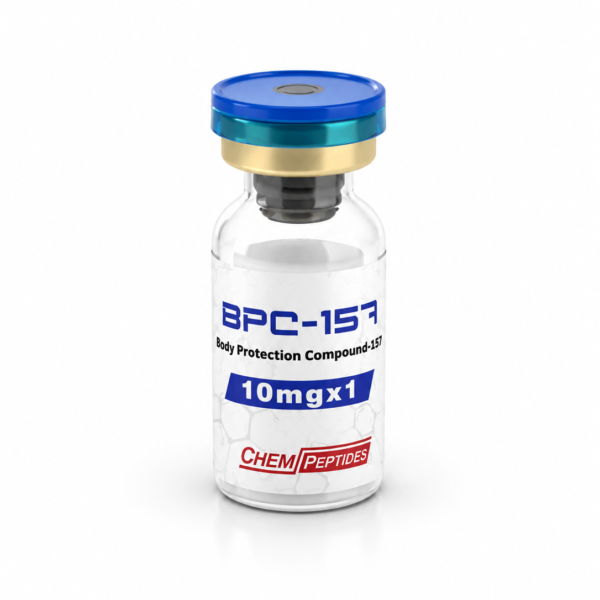 BPC 157 10mg€ 70,00
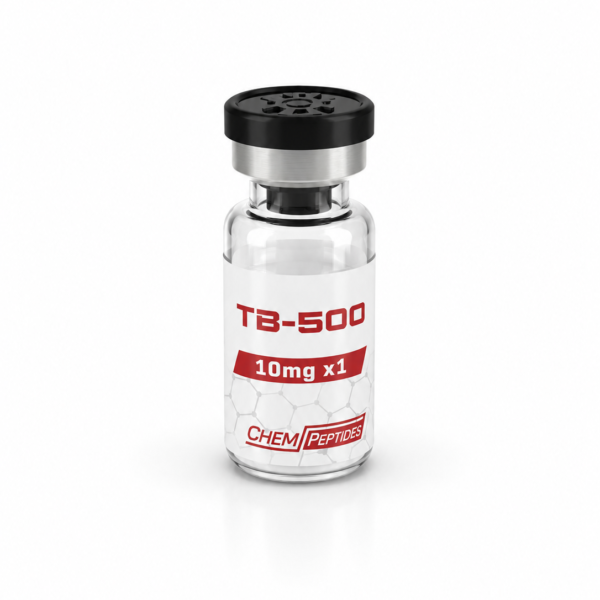 TB500 10mg€ 70,00
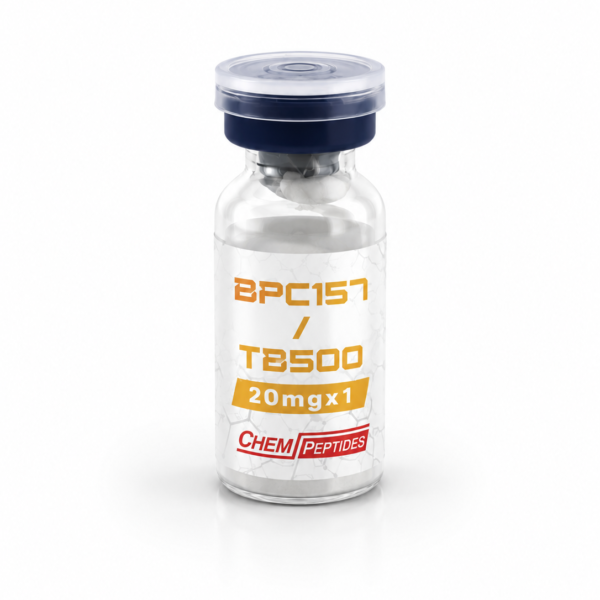 BPC-157 + TB-500 10/10mg€ 100,00
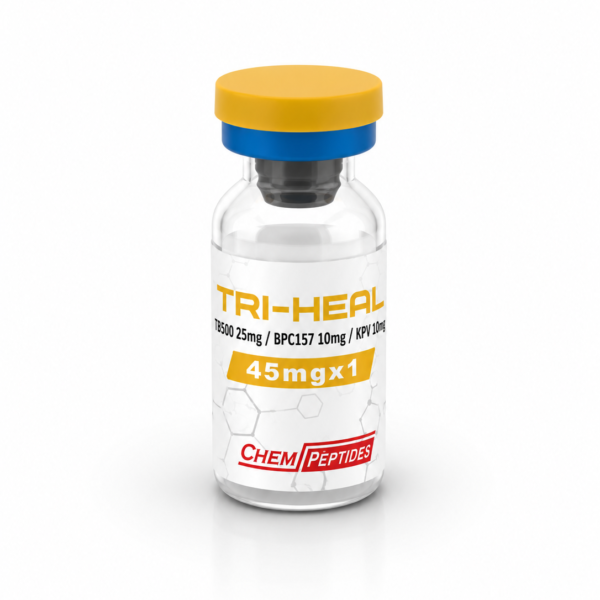 Tri-Heal TB-500 + BPC-157 + KPV 25/10/10mg€ 140,00
Betalen met iDEAL of Wero. Verzending in discrete verpakking vanuit Nederland. Uitsluitend voor laboratorium- en onderzoeksdoeleinden.