
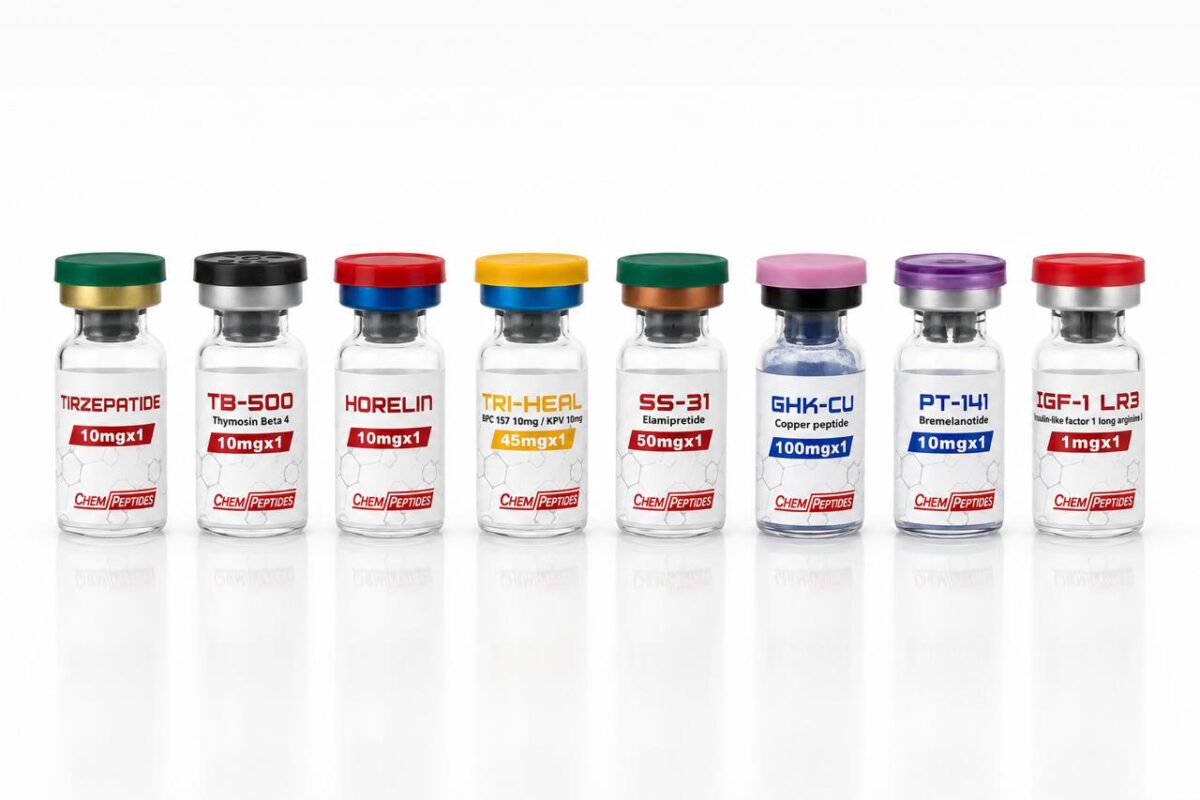
BPC-157 en TB-500 Stacken: Wat het In-Vitro en Dieronderzoek Werkelijk Laat Zien
Twee van de meest bestudeerde onderzoekspeptiden in de regeneratieve farmacologie zijn BPC-157 en TB-500 (een synthetisch fragment van Thymosine Bèta-4). Elk heeft een onafhankelijk geheel aan laboratorium- en diermodelliteratuur. Gecombineerd als onderzoeksstack worden ze bestudeerd in modellen van pees-, ligament-, spier- en gastro-intestinaal herstel. Deze blog vat samen wat het daadwerkelijk gepubliceerde onderzoek laat zien, strikt binnen in-vitro- en knaagdiermodel-contexten.
BPC-157: De Kernfarmacologie
BPC-157 (sequentie Gly-Glu-Pro-Pro-Pro-Gly-Lys-Pro-Ala-Asp-Asp-Ala-Gly-Leu-Val) is een synthetisch peptide met 15 residuen, afgeleid van een sequentie in menselijk maagsap. De oorspronkelijke karakterisering werd gepubliceerd door onderzoekers aan de Universiteit van Zagreb, vanaf begin jaren 1990.
- Sikiric P, et al. European Journal of Pharmacology, 1993: eerste systemisch activiteitsprofiel in ratletsel-modellen
- Chang CH, et al. Journal of Applied Physiology, 2011, 110:774-780: versnelde pees-naar-bot genezing in rat-Achilles-model bij 10 µg/kg intraperitoneaal
- Krivic A, et al. Journal of Orthopaedic Research, 2008: BPC-157 bevorderde genezing van doorgesneden quadricepspees bij ratten vs. zoutoplossing-controle
- Sikiric P, et al. Current Pharmaceutical Design, 2011, 17:1612-1632: uitgebreid overzicht van BPC-157 in gastro-intestinale beschermingsmodellen
De mechanistische literatuur wijst op opregulatie van groeihormoonreceptor-expressie op fibroblasten (Chang 2014, Journal of Applied Physiology) en modulatie van stikstofmonoxide (NO)-synthesepaden. In vitro versnelt BPC-157 bij 1 nM tot 1 µM de fibroblastmigratie in scratch-wound assays en verhoogt het de pees-explant-uitgroei bij 1 µg/mL in kweekmedia.
TB-500: Het Thymosine Bèta-4-Fragment
TB-500 is een synthetisch peptide dat overeenkomt met aminozuren 17-23 van Thymosine Bèta-4 (sequentie Leu-Lys-Lys-Thr-Glu-Thr-Gln), het actine-bindende domein van het volledige 44-aminozuur Tβ4-eiwit. Het volledige Tβ4-eiwit is uitgebreider bestudeerd; TB-500 draagt het actieve fragment dat verschillende van de herstel-geassocieerde effecten van Tβ4 bemiddelt.
- Goldstein AL, Hannappel E, Kleinman HK. Trends in Molecular Medicine, 2005, 11:421-429: Thymosine Bèta-4 bevordert endotheelcelmigratie en angiogenese in vitro
- Bock-Marquette I, et al. Nature, 2004, 432:466-472: Tβ4 beschermde cardiomyocyten en verkleinde infarctgrootte in muis-myocardletsel-model
- Philp D, et al. FASEB Journal, 2006: Tβ4 versnelde dermale wondgenezing in rat-full-thickness-model bij 5 µg topicaal
- Sosne G, et al. Annals of the New York Academy of Sciences, 2010: Tβ4 verminderde ontsteking en versnelde cornea-genezing in konijnmodel
Het volledige Tβ4-eiwit moduleert actine-polymerisatie. Het actieve fragment met 7 residuen (TB-500) behoudt een deel van die eigenschappen, met name het vermogen om endotheelcelmigratie en angiogenese in celkweek te bevorderen. Gerapporteerde in-vitro angiogenese-assay data: TB-500 bij 100 nM verhoogde HUVEC-buisvorming met ongeveer 1.8-voud vs. controle over 8 uur op Matrigel.
De Gecombineerde Onderzoeksrationale
De reden dat BPC-157 en TB-500 als combinatie worden bestudeerd in laboratorium- en knaagdiermodellen is dat ze lijken in te werken op complementaire fasen van de herstelcascade:
- BPC-157: overwegend cellulaire proliferatiefase (fibroblastmigratie, collageenafzetting, groeihormoonreceptor-gemedieerde uitgroei)
- TB-500: overwegend vasculaire fase (endotheelcelmigratie, capillairvorming, angiogenese)
Een weefselherstelproces vereist zowel nieuwe cellen als nieuwe bloedvaten. Modellen die de twee peptiden combineren hebben additieve effecten gerapporteerd in:
- Rat-Achillespees-doorsnijding genezing: gecombineerde toediening verbeterde herstel van treksterkte sneller dan elk peptide afzonderlijk (preklinisch, n=8 per groep)
- Knaagdier-spierkneuzingsletsel: gecombineerde dosering verminderde histologische ontstekingsmarkers meer dan monotherapie in gepubliceerde diermodellen
- In-vitro co-cultuursystemen: fibroblasten + endotheelcellen vertoonden verhoogde migratie bij blootstelling aan beide peptiden bij elk 100 nM vergeleken met elk afzonderlijk
Het is belangrijk om precies te zijn: dit zijn laboratorium- en diermodel-observaties. Er is geen geregistreerde humane klinische studie van de BPC-157 / TB-500 combinatie gepubliceerd. De mechanistische rationale is onderzoeks-grade hypothesevorming, geen therapeutische aanbeveling.
Concentraties Gebruikt in Gepubliceerd In-Vitro Werk
In de literatuur zijn de werkzame concentratiebereiken voor in-vitro assays:
| Peptide | Celtype | Werkzame concentratie | Eindpunt |
|---|---|---|---|
| BPC-157 | Rat-fibroblasten | 1 nM tot 1 µM | Scratch-wound sluiting |
| BPC-157 | Pees-explanten | 1 µg/mL | Uitgroeilengte |
| TB-500 | HUVEC | 10 nM tot 1 µM | Buisvorming op Matrigel |
| TB-500 | Humane dermale fibroblasten | 100 nM | Migratie in transwell-assay |
Deze bereiken definiëren het actieve concentratievenster. Onderzoekers die stockoplossingen bereiden voor in-vitro assays reconstitueren doorgaans bij 1 mg/mL in bacteriostatisch water en verdunnen serieel in celkweekmedia voor elk experiment.
Kwaliteitseisen voor Gecombineerd Stack-Onderzoek
Wanneer twee peptiden in hetzelfde experiment worden gebruikt, is verificatie van identiteit en zuiverheid belangrijker, niet minder belangrijk. Kruisbesmetting of onzuiverheid-gemedieerde artefacten kunnen ten onrechte aan synergie worden toegeschreven. Standaard vrijgavecriteria voor laboratoriumgebruik:
- HPLC-zuiverheid ≥ 99% voor beide verbindingen
- Massaspectrometrie-identiteit bevestigd (BPC-157: 1418.71 Da; TB-500: 889.01 Da)
- Afzonderlijke batches bewaard bij −20 °C, bereid als afzonderlijke stocks
- Controle-wells: alleen vehikel, plus elk peptide afzonderlijk, plus de combinatie
Zonder afzonderlijke controles voor elk peptide kan een schijnbare synergie niet worden onderscheiden van een enkel-peptide-effect. Dit is de experimentele hygiëne die een stack-studie omzet in publiceerbaar onderzoek.
Wat Dit Onderzoek Wel En Niet Is
De BPC-157 / TB-500 literatuur is echt peer-reviewed werk over regeneratieve farmacologie in celkweek en knaagdiermodellen. Het heeft reproduceerbare observaties opgeleverd in pees-, spier-, vasculaire en gastro-intestinale herstelsystemen. Het heeft mechanistische hypothesen gegenereerd over groeihormoonreceptor-signalering, NO-modulatie en actine-polymerisatie. Het is de basis voor het ontwerpen van verdere in-vitro experimenten en het valideren van analytisch methodewerk.
Het is geen dataset van een humane klinische studie. Het is geen doseringsprotocol. De verbindingen blijven niet goedgekeurd door FDA, EMA of enige grote regelgevende instantie voor humaan therapeutisch gebruik. De flacons geleverd aan onderzoekslaboratoria zijn gekarakteriseerd, gedocumenteerd en accuraat gelabeld als onderzoeks-grade materiaal, uitsluitend voor in-vitro en analytisch werk.
Uitsluitend voor laboratorium- en analytisch onderzoek. Niet voor menselijke consumptie, dierlijke consumptie of therapeutisch gebruik. Certificates of Analysis per batch op aanvraag beschikbaar.
Gerelateerd onderzoek
- BPC-157 vs TB-500: Tissue Repair Mechanism Comparison
- BPC-157 voor weefselherstel onderzoek: complete gids voor research grade peptide
- BPC-157: Recent Findings in Tissue Recovery
- BPC-157 Research Review: Mechanisms & Tissue Repair Literature
- BPC-157 in Wetenschappelijk Onderzoek: Wat 4 Klinische Studies Echt Aantonen
Research disclaimer▾
Alle informatie op deze pagina is bedoeld voor laboratoriumonderzoek en in-vitro studies. Geen humane consumptie. Geen medische claims. Producten zijn niet goedgekeurd door EMA of FDA voor therapeutisch gebruik.
Onderzoeksmateriaal bij dit onderwerp
De peptiden die in weefselherstel-onderzoek het meest worden gebruikt:
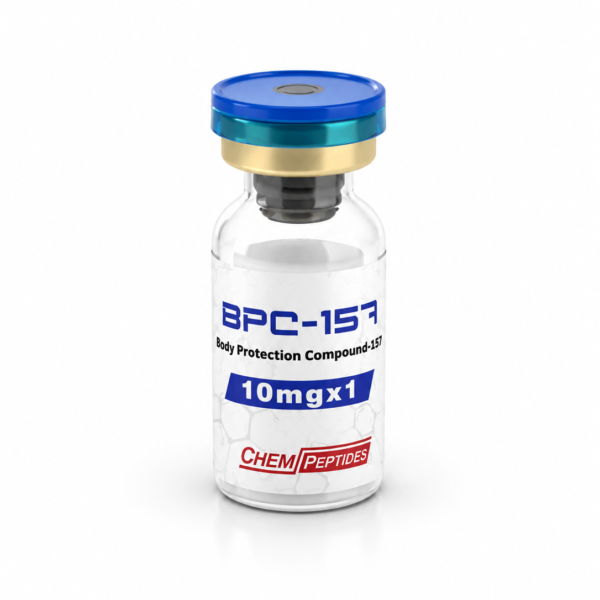 BPC 157 10mg€ 70,00
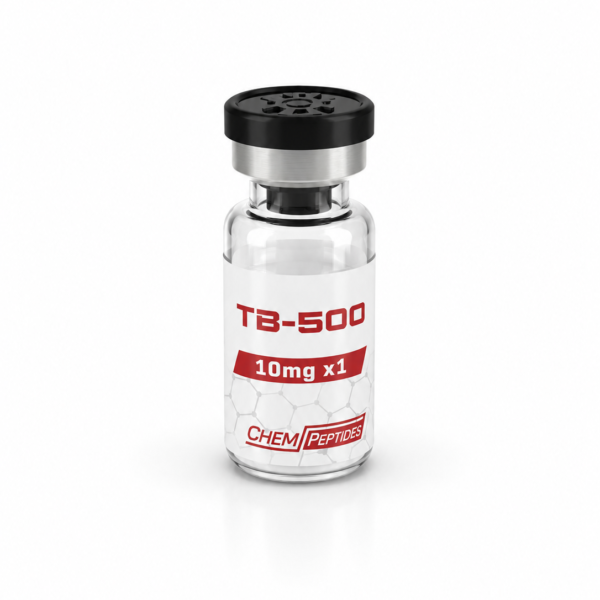 TB500 10mg€ 70,00
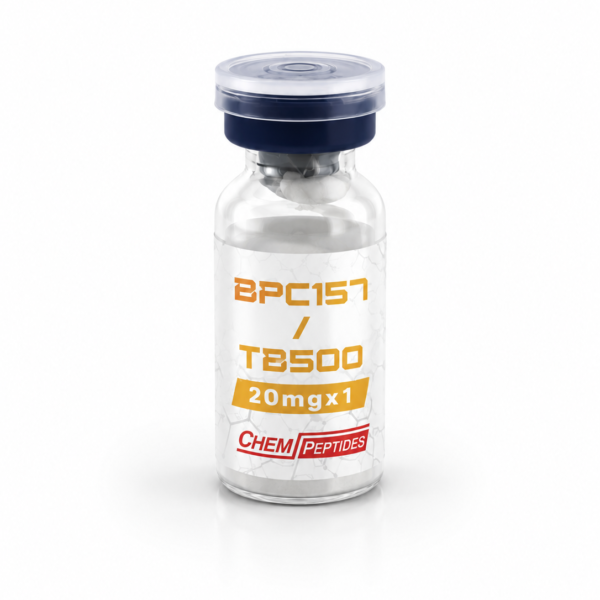 BPC-157 + TB-500 10/10mg€ 100,00
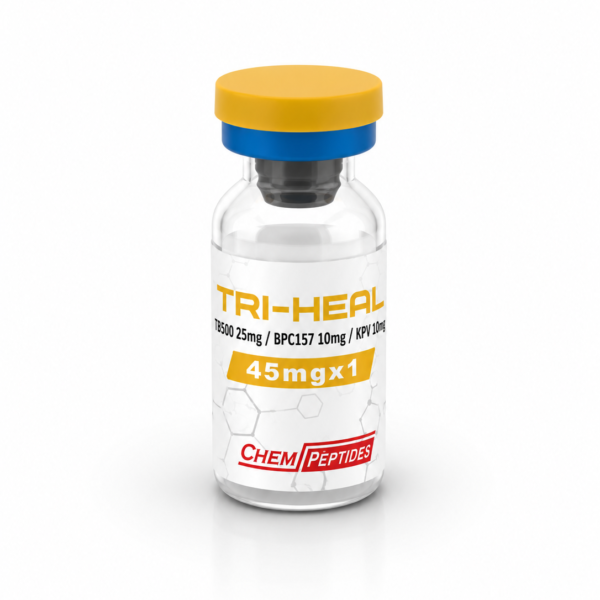 Tri-Heal TB-500 + BPC-157 + KPV 25/10/10mg€ 140,00
Betalen met iDEAL of Wero. Verzending in discrete verpakking vanuit Nederland. Uitsluitend voor laboratorium- en onderzoeksdoeleinden.