Onderzoeksgrade peptiden bestellen is voor veel onderzoekers een privacygevoelig proces. Niet omdat er iets verkeerd aan is, maar omdat veel klanten geen vermelding van peptide-aankopen op hun bankafschrift willen, geen herleidbare bestelling willen op hun naam, en geen vergelijking willen leggen tussen hun verzendadres en de inhoud van het pakket. Chempeptides ondersteunt vijf betalingsmethoden specifiek gekozen voor verschillende privacyprofielen, plus discrete verzending zonder logo of inhoud-vermelding op de buitenkant. Dit artikel zet de privacy-architectuur van peptiden bestellen op chempeptides.com uit.
Wat “anoniem peptiden bestellen” werkelijk betekent
Volledige anonimiteit op het internet is een illusie. Wat realistisch wel mogelijk is, is gelaagde privacy: per laag van de transactie minimaliseer je herleidbaarheid en zichtbaarheid. Bij chempeptides werken vier privacy-lagen samen.
- Bestellingsdata: alleen e-mail en verzendadres vereist. Geen telefoon, geen ID-verificatie.
- Betalingsmethode: 5 opties met verschillende privacy-profielen (zie hieronder).
- Verzendverpakking: discrete brown box of plain padded envelope. Geen logo, geen inhoud-vermelding, geen “peptides” op de buitenkant.
- Track-and-trace: volgsnummer alleen naar de klant, niet zichtbaar voor derden.
De vijf betaalmethoden op chempeptides.com
1. iDEAL (Nederland) – hoogste herleidbaarheid, snelste werkstroom
iDEAL is de Nederlandse standaard voor online betalingen. De transactie loopt direct via je bank. Snelheid: betaling binnen 30 seconden, order verzonden binnen 24 uur.
Privacy-profiel:
- Bankafschrift toont: betaling aan “Chempeptides” of “ChemPep BV”
- Geen vermelding van inhoud
- Volledig herleidbaar via je bank (legitiem voor belastingdoeleinden bij zakelijke onderzoek-aankopen)
- Geschikt voor: zakelijke onderzoek-laboratoria, instellingen, gebruikers die zich geen zorgen maken over bankafschrift-zichtbaarheid
2. Wero (Europa) – vergelijkbaar met iDEAL voor Europese gebruikers
Wero is de nieuwe Europese betaal-standaard, ontwikkeld door samenwerkende grote Europese banken (EPI). Werkt via direct bankoverboeking met instant settlement.
Privacy-profiel:
- Vergelijkbaar met iDEAL: bankafschrift toont alleen merchant-naam
- Beschikbaar voor Duitsland, Belgie, Nederland, Frankrijk
- Geen extra kosten
- Geschikt voor: Europese onderzoekers buiten Nederland
3. Creditcard – middel-niveau herleidbaarheid
Visa, Mastercard, Amex. Verwerking via een PCI-DSS gecertificeerde gateway.
Privacy-profiel:
- Creditcard statement toont merchant-naam (Chempeptides)
- Geen inhoud-vermelding
- Internationale klanten kunnen vanuit elk land betalen
- Geschikt voor: internationale onderzoekers, klanten met zakelijke creditcards
4. PayPal – middel-niveau herleidbaarheid met buffer
PayPal voegt een buffer toe tussen je bank en de merchant. Je bankafschrift toont alleen “PayPal” (geen merchant-naam), terwijl PayPal de bestelling intern aan Chempeptides verbindt.
Privacy-profiel:
- Bankafschrift toont: “PayPal” (zonder merchant detail)
- Internationaal beschikbaar
- PayPal zelf bewaart wel de transactie-data
- Geschikt voor: klanten die geen vermelding van “Chempeptides” op bankafschrift willen, maar wel een herstelbare betaalmethode
5. Bitcoin en crypto – hoogste privacy-niveau
Bitcoin (en in sommige cases Ethereum, Litecoin) biedt het hoogste privacy-niveau in de mainstream betaalmethoden. De transactie loopt via de blockchain, niet via een bank.
Privacy-profiel:
- Geen bankafschrift-spoor
- Geen koppeling tussen je persoonlijke bank en de aankoop
- Blockchain-transactie is publiek maar pseudoniem (wallet adres, geen naam)
- Geschikt voor: onderzoekers die maximale privacy zoeken, klanten die geen banking-spoor willen
Discrete verzending: hoe het pakket eruitziet
De verpakking is onderdeel van de privacy-architectuur. Chempeptides verstuurt alle bestellingen in:
- Plain brown box of padded envelope: geen “peptides” of “ChemPep” logo op buitenkant
- Generieke afzender naam: “ChemPep BV” of “Logistics Department” – geen vermelding van peptiden
- Geen inhoud-aanduiding op de douaneverklaring: alleen generieke “laboratory supplies” of “research chemicals”
- Track-and-trace direct naar klant: volgsnummer alleen zichtbaar in je account, niet voor derden
Buurman, partner, of huisgenoot die het pakket aanneemt ziet alleen een gewone bruine doos zonder duidelijke aanduiding van de inhoud. Voor onderzoekers die in een gedeelde woning of bedrijfsadres ontvangen, is dit een belangrijke privacy-laag.
Welke combinatie geeft de hoogste privacy
Voor maximale privacy: combineer betalingsmethode met de juiste verzendoptie.
| Privacy-niveau | Aanbevolen combinatie |
|---|---|
| Standaard (zakelijk) | iDEAL of Wero + discrete verpakking |
| Middel (privacy bewust) | PayPal + discrete verpakking + afhalen op werkadres |
| Maximaal (geen banking spoor) | Bitcoin + discrete verpakking + alternatief verzendadres (postbus of werklab) |
Wat chempeptides NIET vraagt
Wat het bedrijf NIET vereist bij bestelling:
- Geen ID-verificatie (geen scan van paspoort of rijbewijs)
- Geen account verificatie via telefoon
- Geen vermelding van wat het peptide gebruikt wordt voor
- Geen toestemming voor data-deling met derden
- Geen verplichte nieuwsbrief opt-in
Alleen wat noodzakelijk is voor levering: e-mail (voor track-and-trace) en verzendadres. Niets meer.
Wettelijke aspecten van anoniem bestellen
Belangrijk om te begrijpen: anoniem bestellen van research-grade peptiden is in Nederland en de EU volledig wettig zolang:
- De peptiden duidelijk geleverd worden voor onderzoeksdoeleinden (research use only, RUO)
- De peptiden niet voor menselijk of dierlijk gebruik zijn bedoeld
- De koper geen verboden grondstoffen bestelt (sommige peptiden zijn gereguleerd, chempeptides verkoopt geen verboden stoffen)
- BTW/belasting correct wordt voldaan (chempeptides voegt EU BTW toe automatisch)
Privacy in betaalmethode en verzending is dus niet hetzelfde als illegaliteit. Het is gewoon professionele discretie.
Onderzoeksconclusie
Chempeptides ondersteunt vijf betaalmethoden met verschillende privacy-profielen, van iDEAL/Wero (snelle bankoverboeking met merchant-vermelding op afschrift) tot Bitcoin (maximaal privacy, geen banking-spoor). Discrete verzending zonder logo of inhoud-vermelding maakt deel uit van elke bestelling. Voor onderzoekers die maximaal privacy zoeken: Bitcoin betaling + werklab als verzendadres + plain brown box verpakking. Voor zakelijke onderzoek-laboratoria: iDEAL of creditcard volstaat zonder concessies op privacy.
Dit artikel is uitsluitend bedoeld voor onderzoeks- en educatiedoeleinden. Producten op chempeptides.com zijn voor onderzoeksdoeleinden en niet voor menselijk gebruik bedoeld. Raadpleeg een arts voor persoonlijk medisch advies.
Gerelateerd onderzoek
- Bitcoin Peptiden Betalen: Privacy en Anonimiteit voor Onderzoekers
- Veilig peptiden kopen met Bitcoin: 7-stappen gids voor beginners
- iDEAL, Wero, Creditcard, PayPal, Bitcoin: Welke Betaalmethode Past Bij Jou
- Crypto of creditcard? Beslissingsboom voor research peptiden in 2026
- Tirzepatide vs Mounjaro vs Zepbound 2026: complete vergelijking voor onderzoekers
Research disclaimer▾
Alle informatie op deze pagina is bedoeld voor laboratoriumonderzoek en in-vitro studies. Geen humane consumptie. Geen medische claims. Producten zijn niet goedgekeurd door EMA of FDA voor therapeutisch gebruik.
Research-grade materiaal bij Chempeptides
De meest gebruikte research peptiden uit onze catalogus:
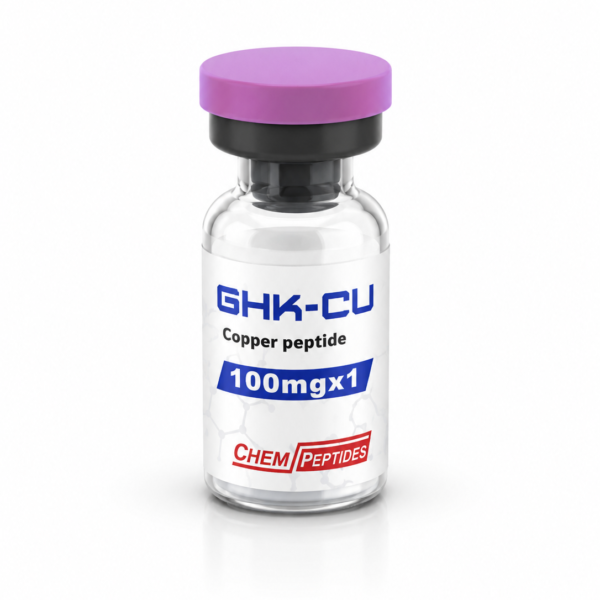
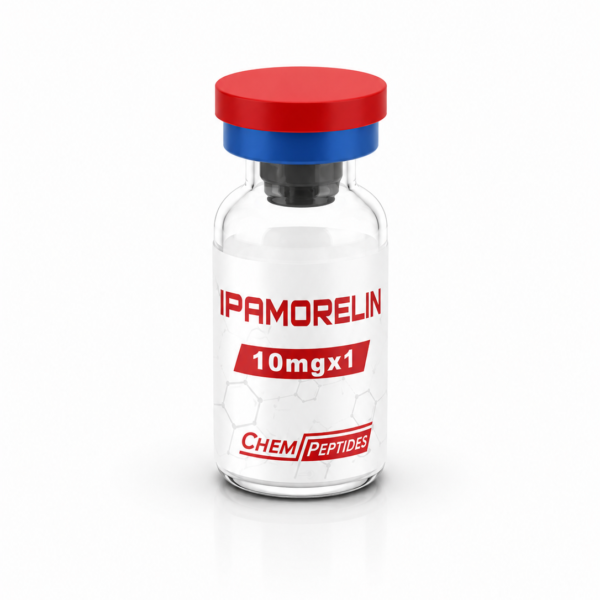
Betalen met iDEAL of Wero. Verzending in discrete verpakking vanuit Nederland. Uitsluitend voor laboratorium- en onderzoeksdoeleinden.