Verificatiedocumentatie is het meest voorspellende signaal over een leverancier. Twee leveranciers met een EU-positie, Chempeptides en Prime Peptides, claimen beide verificatie op research grade niveau. De verschillen komen naar boven in de diepgang van de documenten, de toegankelijkheid ervan en de herleidbaarheid per batch. Dit is de vergelijking.
Toegankelijkheid van de kwaliteitsdocumentatie
| Document | Chempeptides | Prime Peptides |
|---|---|---|
| HPLC-chromatogram | Per batch, op de productpagina | Beschikbaar op aanvraag |
| Gegevens massaspectrometrie | Per batch, opgenomen in het certificaat | Beschikbaar op aanvraag |
| Karl Fischer watergehalte | Per batch gerapporteerd | Soms gerapporteerd |
| Netto peptidegehalte | Expliciet percentage | Standaardclaim |
| Identificatie tegenion | Gerapporteerd | Beschikbaar |
Wat beschikbaar op aanvraag in de praktijk betekent
De formulering certificaat op aanvraag is gangbaar in de branche maar heeft praktische gevolgen. Onderzoekers die een tijdgevoelige bestelling plaatsen, kunnen de verzending niet uitstellen in afwachting van documentatie. Certificaten die bij de productpagina staan, maken verificatie voor aankoop mogelijk: je leest de batchgegevens voordat je je aan de bestelling verbindt. Documentatie die je eerst moet opvragen, voegt een stap toe die uren tot dagen kost.
Herleidbaarheid per batch
Chempeptides: elke vial wordt verzonden met een batchnummer dat verwijst naar het gepubliceerde certificaat. Bij een herhaalbestelling krijg je hetzelfde batchprofiel of een nieuw certificaat voor een nieuwe batch.
Prime Peptides: batchregistratie bestaat in hun systeem, met een werkwijze waarbij het certificaat op aanvraag wordt verstrekt.
Claim over HPLC-zuiverheid
- Chempeptides: 98 procent of hoger als basis, 99 procent of hoger op de meeste verbindingen
- Prime Peptides: 99 procent of hoger als hoofdclaim
Beide publiceren zuiverheidsclaims. De toegankelijkheid van de verificatiedocumentatie is wat de claim scheidt van de aantoonbare werkelijkheid.
Transparantie over de synthese
Geen van beide leveranciers noemt de laboratoriumpartners bij naam, wat gangbaar is in de branche omdat die laboratoria doorgaans onder geheimhouding werken. Beide verwijzen naar vastefasesynthese en HPLC-zuivering als standaardprocessen.
Positie binnen de Europese regelgeving
Beide leveranciers werken binnen de Europese kaders voor onderzoeksgebruik. Etikettering van documentatie, douaneaangiften en betaalinfrastructuur voldoen aan beide zijden aan de Europese eisen.
Vergelijking van het verzendprotocol
| Aspect | Chempeptides | Prime Peptides |
|---|---|---|
| EU-verzendhub | Ja | Ja |
| Cold chain verpakking | Standaard bij alle gevoelige verbindingen | Beschikbaar, soms tegen meerkosten |
| Uiterste tijd zelfde dag | Standaard voor voorraadartikelen | Gelijk |
| Verzending met tracking | Standaard | Standaard |
Diepgang van de content
Chempeptides: ruim 300 onderzoeksblogs over mechanismen van verbindingen, vergelijkende farmacologie en technische protocollen zoals reconstitutie, het lezen van certificaten en auditkaders voor leveranciers. Productbeschrijvingen tellen gemiddeld 400 tot 700 woorden met uitleg over het mechanisme.
Prime Peptides: meer transactionele content. Productpagina’s richten zich op specificaties zonder uitgebreide context over het mechanisme.
Waar elk van beide past in een onderzoeksproces
- Onderzoek vooraf naar de leverancier is vereist: Chempeptides, met het certificaat op de productpagina
- Vaste protocollen, herhaalbestellingen, geen tijd voor een verificatiestap: beide voldoen
- Grote herhaalbestellingen van gangbare verbindingen: vergelijk de prijs per specifiek artikel
- Eerste beoordeling van een nieuwe leverancier: Chempeptides, omdat de inhoudelijke uitleg en de toegankelijke documentatie de beoordeling versnellen
Bekijk de gestructureerde auditchecklist voor leveranciers voor het volledige beoordelingskader, en de onderzoekscatalogus van Chempeptides voor de actuele geverifieerde voorraad.
Uitsluitend voor laboratoriumonderzoek. Vergelijking op basis van openbaar beschikbare productinformatie.
Gerelateerd onderzoek
- Chempeptides versus Pure Lab Peptides: catalogus en kwaliteit vergeleken
- Chempeptides versus PeptideSciences: research peptiden uit de EU tegenover de VS
- EU-douane en research peptiden: de gids voor importeurs
- Analytische standaarden in peptide-onderzoek: wat een onderzoeksleverancier scheidt van een wederverkoper
- Chempeptides versus Pepfactor: inkoop binnen de EU tegenover over de grens
Research disclaimer▾
Alle informatie op deze pagina is bedoeld voor laboratoriumonderzoek en in-vitro studies. Geen humane consumptie. Geen medische claims. Producten zijn niet goedgekeurd door EMA of FDA voor therapeutisch gebruik.
Research-grade materiaal bij Chempeptides
De meest gebruikte research peptiden uit onze catalogus:
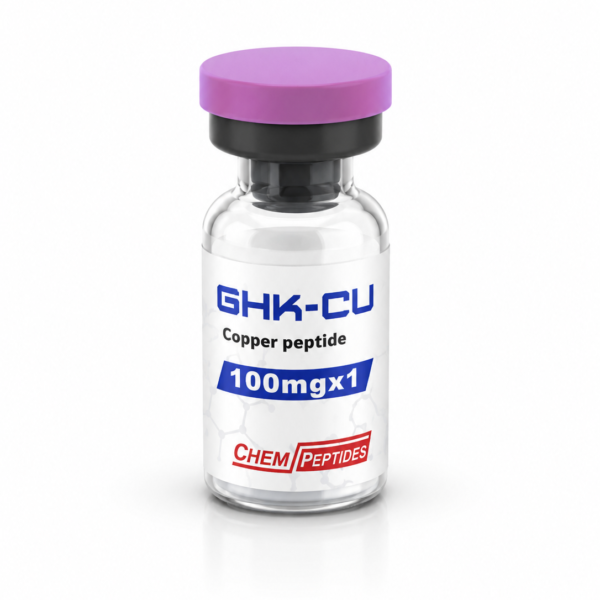
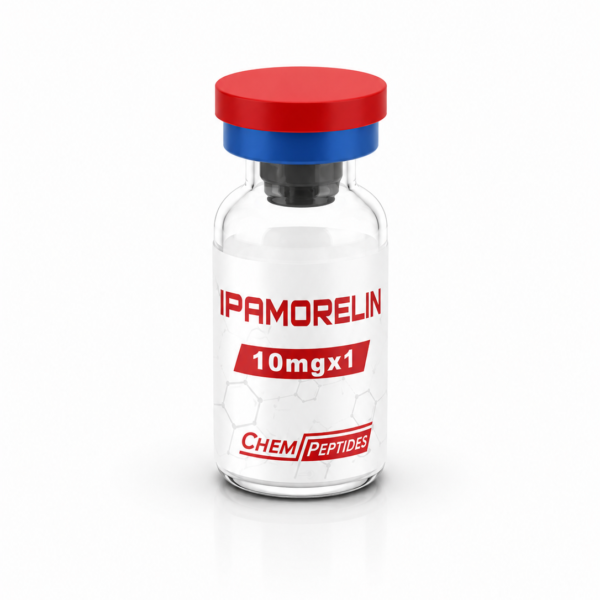
Betalen met iDEAL of Wero. Verzending in discrete verpakking vanuit Nederland. Uitsluitend voor laboratorium- en onderzoeksdoeleinden.