
Een blessure die maar niet wegtrekt, een gewricht dat lang na de training blijft zeuren, herstel dat wekenlang aansleept. Traag herstel is een van de meest gezochte problemen binnen training, en twee peptiden komen steeds terug in het onderzoek: BPC-157 en TB-500. Dit is wat de literatuur werkelijk laat zien.
Waarom herstel trager wordt
Weefselherstel is afhankelijk van bloedtoevoer, celsignalering en het goed afnemen van ontsteking. Leeftijd, herhaalde belasting en een slechte doorbloeding vertragen dat proces allemaal, en daarom richt herstelonderzoek zich op de signalering achter weefselherstel.
BPC-157
BPC-157 is een synthetisch peptide dat is afgeleid van een eiwit in maagsap. In preklinische studies is het in verband gebracht met herstel van pezen, ligamenten en spieren en met angiogenese, de vorming van nieuwe bloedvaten (Sikiric et al., uitgebreide dierstudies). Klinische studies bij mensen blijven beperkt, dus het is strikt een onderzoekscompound.
TB-500
TB-500 is een synthetisch fragment dat verwant is aan thymosine bèta-4, een eiwit dat betrokken is bij celmigratie en weefselherstel. Het is bestudeerd in diermodellen van wondgenezing en hartherstel (Goldstein et al.). Net als bij BPC-157 zijn robuuste gegevens bij mensen nog in ontwikkeling.
Wat het bewijs ondersteunt
Het preklinische signaal voor weefselherstel wekt de interesse, maar bewijs bij mensen staat nog in de kinderschoenen, en de basisprincipes van herstel, slaap, eiwitinname en belastingsmanagement, blijven leidend. Beide worden bestudeerd binnen gecontroleerde onderzoeksomgevingen.
De conclusie
Herstel is een signaleringsprobleem, en daar bevindt dit onderzoek zich. Zie ook slaap- en herstelpeptiden en onderzoek naar lichaamsrecompositie.
Research disclaimer▾
Alle informatie op deze pagina is bedoeld voor laboratoriumonderzoek en in-vitro studies. Geen humane consumptie. Geen medische claims. Producten zijn niet goedgekeurd door EMA of FDA voor therapeutisch gebruik.
Onderzoeksmateriaal bij dit onderwerp
De peptiden die in weefselherstel-onderzoek het meest worden gebruikt:
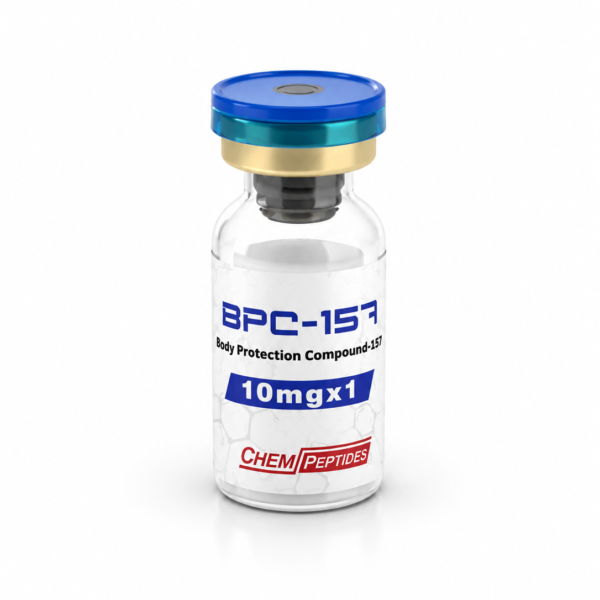 BPC 157 10mg€ 70,00
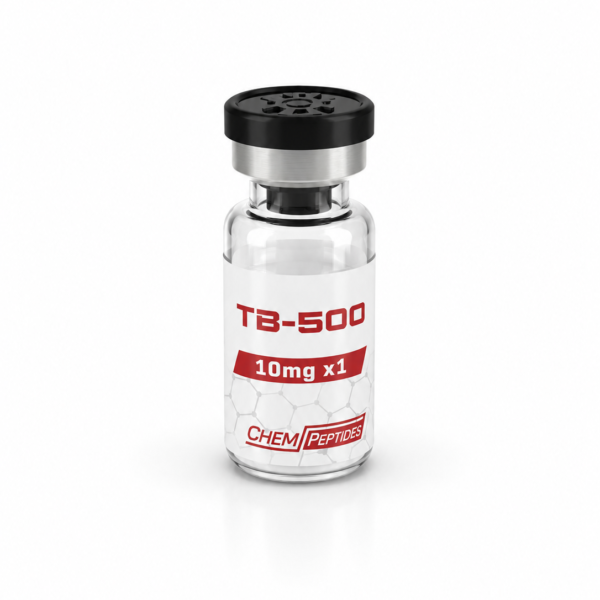 TB500 10mg€ 70,00
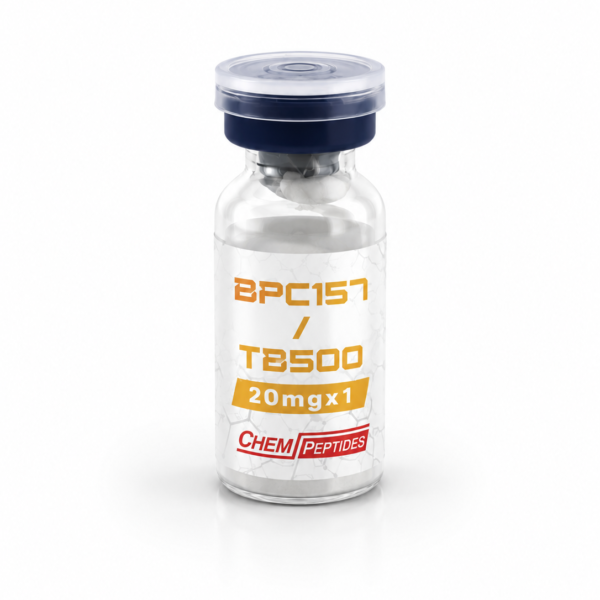 BPC-157 + TB-500 10/10mg€ 100,00
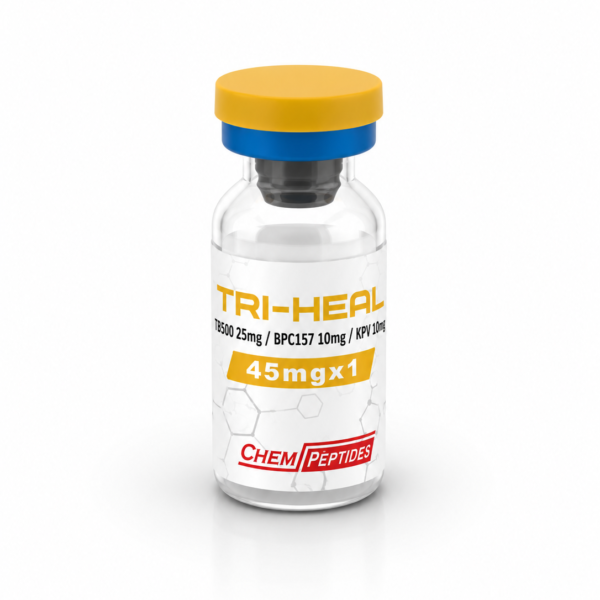 Tri-Heal TB-500 + BPC-157 + KPV 25/10/10mg€ 140,00
Betalen met iDEAL of Wero. Verzending in discrete verpakking vanuit Nederland. Uitsluitend voor laboratorium- en onderzoeksdoeleinden.