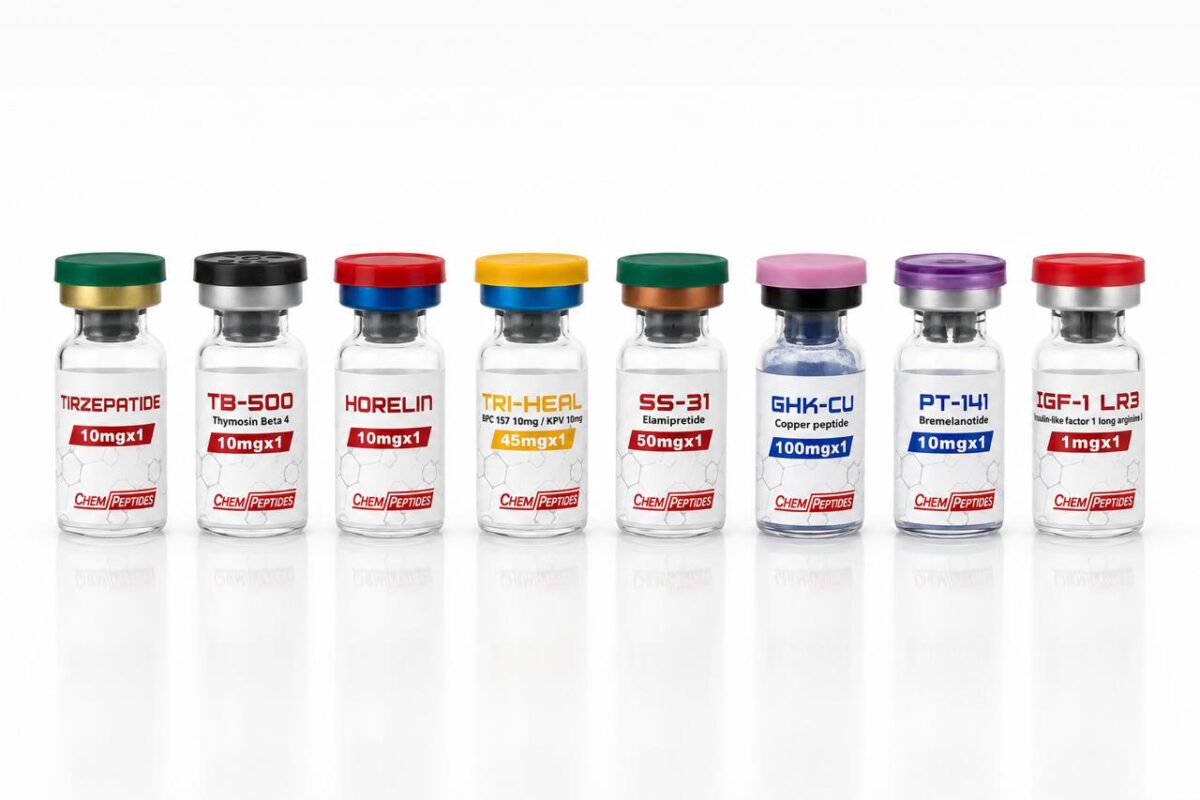
Peptiden als productcategorie omvat alles van klinisch materiaal van farmaceutische kwaliteit tot generieke leveranciersvoorraad van onbekende herkomst. De prijsverschillen kunnen een factor 3 tot 5 bedragen. Het verschil in datakwaliteit is vaak het verschil tussen reproduceerbaar onderzoek en een verspild budget. Dit artikel zet de vijf meetbare voordelen van research grade peptiden boven generieke alternatieven op een rij.
1. HPLC-zuiverheid van 98 procent of hoger, per batch geverifieerd
Generieke leveranciers adverteren doorgaans met hoge zuiverheid zonder batch-specifieke verificatie. De werkelijke zuiverheid in geleverde vials varieert bij onafhankelijke controle tussen 85 en 95 procent, wat betekent dat 5 tot 15 procent van de inhoud bestaat uit onzuiverheden, deletiesequenties of oxidatieproducten. Research grade materiaal is per batch met HPLC geverifieerd, met een chromatogram bij het analysecertificaat. Dat verschil zie je terug in de spreiding tussen je experimenten.
Lees ons artikel over het lezen van een analysecertificaat om te zien hoe je die documenten beoordeelt.
2. Bevestiging van het molecuulgewicht via massaspectrometrie
HPLC vertelt je alleen het zuiverheidspercentage. Massaspectrometrie vertelt je of het molecuul in de vial daadwerkelijk is wat het etiket beweert. Generieke leveranciers voegen zelden massaspectrometrie toe. Research grade materiaal vermeldt de gemeten massa met een vergelijking tegenover de theoretische massa. Een afwijking van 1 tot 2 dalton wijst op oxidatie, grotere afwijkingen wijzen erop dat het verkeerde molecuul is gesynthetiseerd.
3. Infrastructuur voor gekoeld transport
Gelyofiliseerde peptiden verdragen kortdurend warmte, maar opgetelde warmteblootstelling tijdens transport tast gevoelige sequenties aan. Generieke leveranciers verzenden vaak vanuit locaties buiten de EU in gewone enveloppen die dagenlang in distributiecentra blijven liggen. Research grade leveranciers werken met een gevalideerde koelketen, geisoleerde verpakking, faseovergangsgelpacks en verzending vanuit de EU op dezelfde dag.
Bekijk onze audit van gekoeld transport voor de vergelijking tussen vervoerders.
4. Consistentie van batch tot batch
De output van generieke leveranciers verschilt per batch omdat zij bij meerdere laboratoria inkopen zonder strikte synthesespecificaties. Research grade materiaal komt van vaste laboratoriumpartners die volgens consistente protocollen werken, met kwaliteitspoorten tussen batches. Het praktische gevolg: bestel je dezelfde verbinding opnieuw bij een research grade leverancier, dan gedraagt de vial zich hetzelfde in jouw protocol. Bij generieke leveranciers valideer je elke batch opnieuw.
5. Positie binnen de regelgeving
Research grade leveranciers werken binnen heldere kaders voor onderzoeksgebruik. Documentatie, etikettering, douaneaangiften en betaalinfrastructuur zijn allemaal ingericht op legitieme laboratoriumprocessen. Generieke leveranciers opereren vaak op de rand van die kaders, wat zich vertaalt in douanecontroles, problemen met betaaldienstverleners en onzekerheid over levering.
De rekensom achter het prijsverschil
Een vial research grade peptide kost al snel 60 tot 90 euro. Het generieke equivalent kost misschien 30 tot 50 euro. Dat verschil van 30 tot 40 euro per vial koopt:
- HPLC-verificatie per batch
- Bevestiging via massaspectrometrie
- Bescherming door gekoeld transport
- Consistentie tussen batches over langere tijd
- Betrouwbaarheid bij douane en betaling
Bij een enkele testbestelling lijkt dat verschil optioneel. Voor een laboratorium dat een protocol van zes maanden draait met twintig vials of meer, is het verschil tussen reproduceerbare data en mislukte experimenten een veelvoud van dat prijsverschil.
De verborgen kosten van besparen
Een enkel mislukt experiment door 5 procent verontreiniging wist de besparing van dertig goedkopere vials in een klap uit. De rekensom valt uit in het voordeel van research grade materiaal in elke situatie waarin de resulterende data ertoe doet.
Waar Chempeptides op aansluit
Chempeptides werkt als research grade leverancier binnen de EU: HPLC van 98 procent of hoger per batch, bevestiging via massaspectrometrie, gekoelde verzending vanuit de EU, vaste laboratoriumpartners en gereguleerde betaalinfrastructuur. De volledige auditchecklist voor leveranciers behandelt de vergelijkingscriteria in detail.
Bekijk de onderzoekscatalogus voor de actuele beschikbaarheid.
Uitsluitend voor laboratoriumonderzoek.
Gerelateerd onderzoek
- Waarom onderzoek-grade peptides strikt voor laboratoriumgebruik zijn, niet voor mensen of dieren
- HPLC Zuiverheid van 99 Procent: Waarom Het Verschil Maakt Bij Onderzoek-Grade Peptides
- Waarom research grade peptiden strikt voor laboratoriumgebruik zijn en niet voor mens of dier
- EU-douane en research peptiden: de gids voor importeurs
- 7 fouten bij reconstitutie die research peptiden aantasten
Research disclaimer▾
Alle informatie op deze pagina is bedoeld voor laboratoriumonderzoek en in-vitro studies. Geen humane consumptie. Geen medische claims. Producten zijn niet goedgekeurd door EMA of FDA voor therapeutisch gebruik.
Research-grade materiaal bij Chempeptides
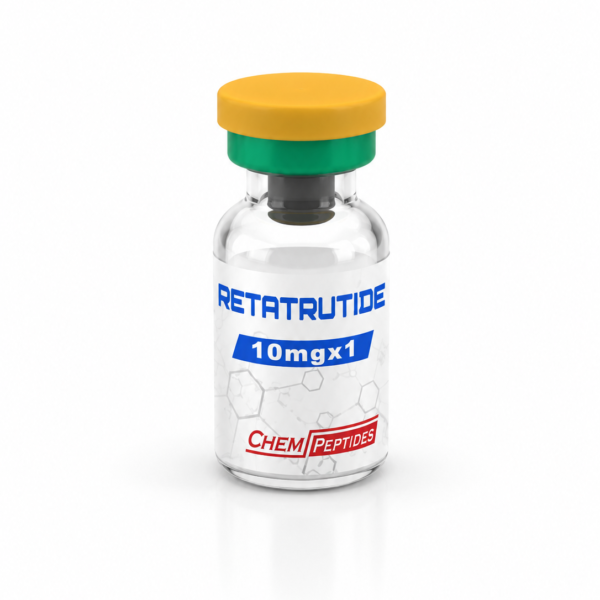
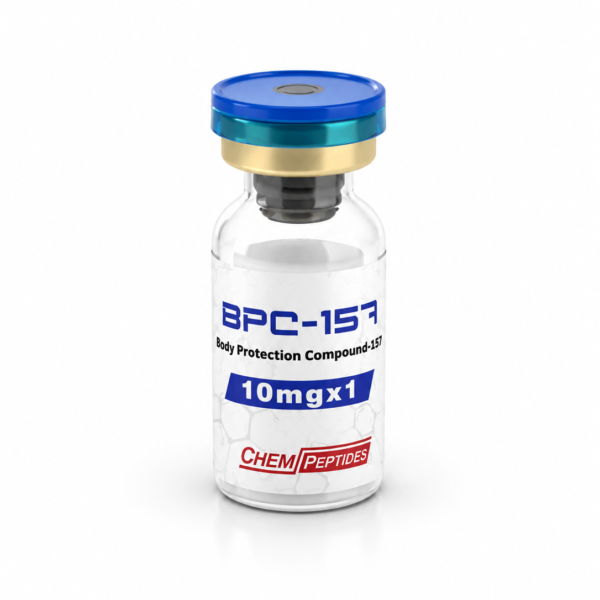
De meest gebruikte research peptiden uit onze catalogus:
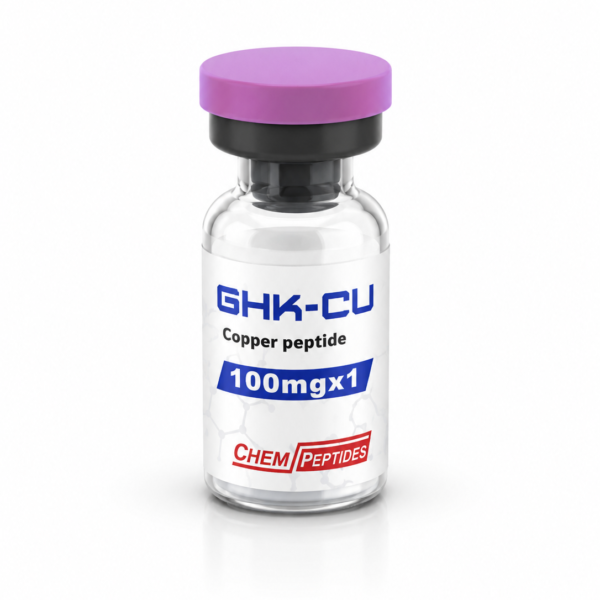
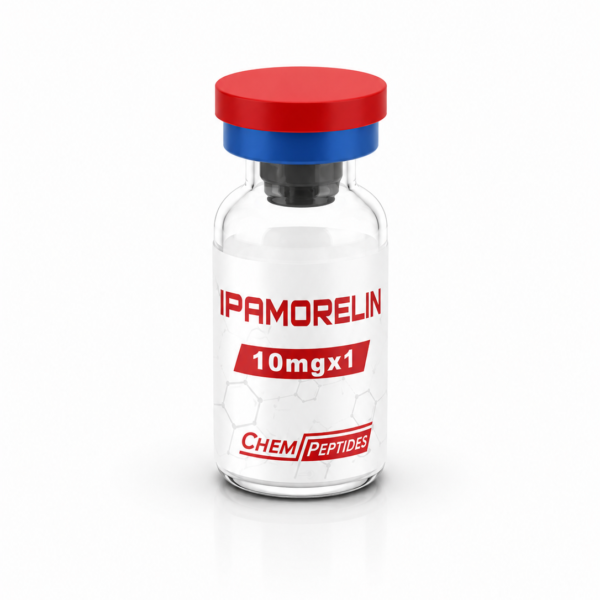
Betalen met iDEAL of Wero. Verzending in discrete verpakking vanuit Nederland. Uitsluitend voor laboratorium- en onderzoeksdoeleinden.