
GLP-1 peptiden zoals Ozempic en Mounjaro zijn in minder dan tien jaar van medische vakbladen naar het algemene gesprek verhuisd. Het mechanisme wordt echter zelden in begrijpelijke termen uitgelegd. Dit artikel vertaalt het onderzoek naar gewone taal zonder aan nauwkeurigheid in te boeten: bruikbaar voor onderzoekers die deze klasse moeten uitleggen aan collega’s, studenten of belanghebbenden.
Begin bij het darmhormoon GLP-1
Het lichaam maakt een hormoon dat GLP-1 heet, voluit glucagon-like peptide-1. De darmen geven het af na een maaltijd. De taak ervan: de rest van het lichaam melden dat er zojuist voedsel is aangekomen. Dat signaal reist via de bloedbaan naar meerdere plekken en veroorzaakt meerdere effecten.
De drie effecten van GLP-1
Wanneer het GLP-1 signaal bij zijn receptoren aankomt, gebeuren er drie dingen:
- De alvleesklier geeft insuline af, maar alleen wanneer de bloedsuiker al verhoogd is. Dit heet glucose-afhankelijke insulineafgifte. Het corrigeert een hoge bloedsuiker zonder een te lage bloedsuiker te veroorzaken.
- De maag loopt trager leeg, waardoor voedsel langer in de maag blijft en het verzadigde gevoel uren aanhoudt in plaats van een uur.
- De hersenen registreren verzadiging, doordat GLP-1 receptoren in de hersenen, met name in de hypothalamus en de hersenstam, hongersignalen dempen en verzadiging versterken.
Dat is het volledige mechanisme in drie zinnen. Al het andere is techniek.
Waarom lichaamseigen GLP-1 niet blijft werken
Natuurlijk GLP-1 blijft slechts 1 tot 2 minuten in de bloedbaan. Een enzym met de naam DPP-4 knipt het direct af. Na een maaltijd produceert de darm een golf GLP-1, die golf wordt snel afgebroken, en binnen een uur of twee ben je terug op het uitgangsniveau van honger.
Wat Ozempic anders doet
Ozempic is semaglutide, een synthetische variant van GLP-1 die zo is ontworpen dat hij afbraak weerstaat en dagen meegaat in plaats van minuten. Twee aanpassingen doen het zware werk:
- Het molecuul is licht aangepast, zodat DPP-4 het niet gemakkelijk kan knippen
- Een vetzuurzijketen haakt aan serumalbumine, een bloedeiwit, en reist daarmee mee met langzame afgifte
Het resultaat: een wekelijkse injectie geeft zeven dagen lang continue activatie van de GLP-1 receptor. De drie natuurlijke effecten, tragere maaglediging, glucose-afhankelijke insuline en verzadiging in de hersenen, blijven de hele week aanhouden.
Wat Mounjaro daar bovenop doet
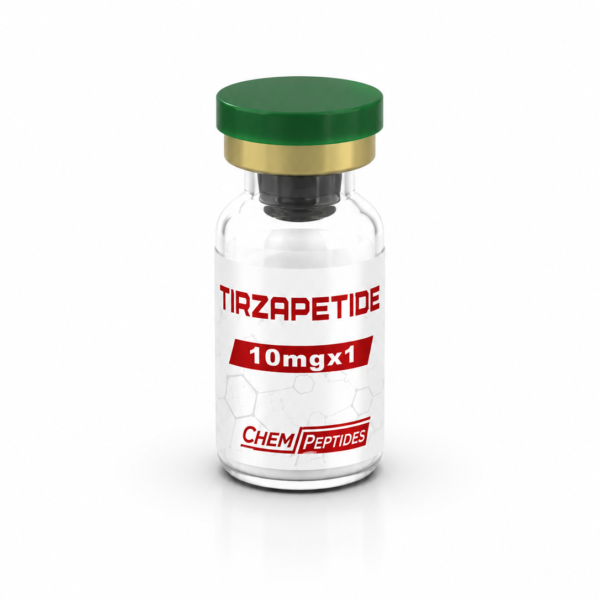
Mounjaro is tirzepatide, hetzelfde idee, maar het activeert twee receptoren in plaats van een. De tweede receptor hoort bij een ander darmhormoon met de naam GIP. GIP voegt toe:
- Betere afstemming van de insulinerespons
- Directe effecten op de vetverwerking in vetweefsel
- Mogelijk minder misselijkheid dan gelijkwaardige GLP-1 doseringen
Twee receptoren betekent twee metabole hendels. In trials levert dit ongeveer 50 procent meer gewichtsverlies op dan GLP-1 alleen, oftewel semaglutide.
Wat retatrutide daar nog aan toevoegt
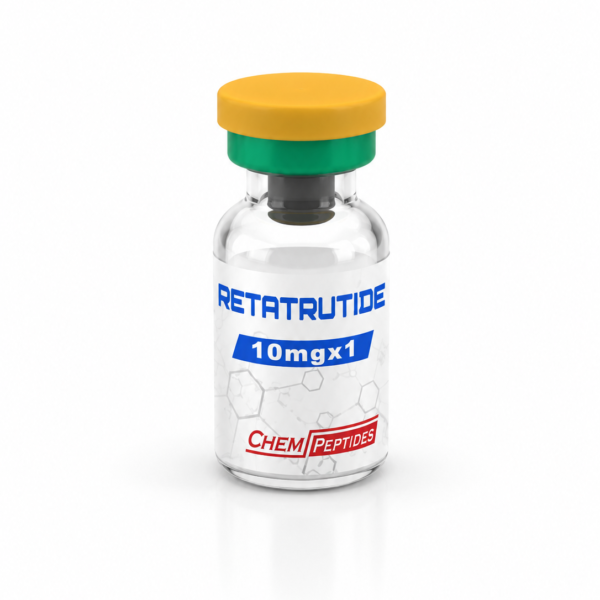
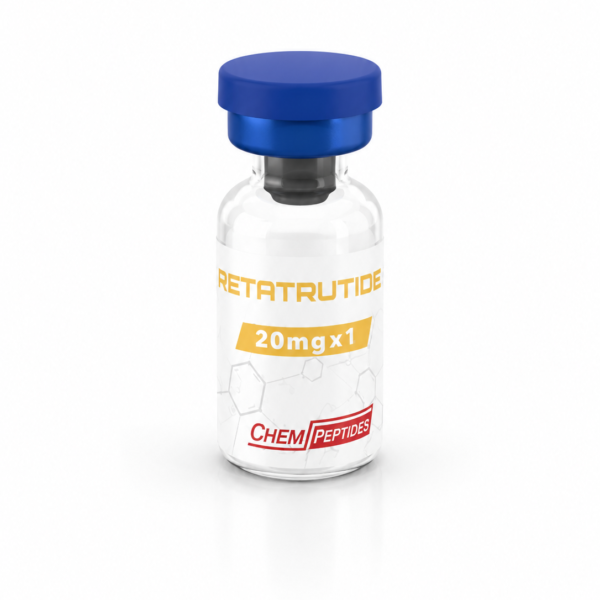
Retatrutide activeert drie receptoren: GLP-1, GIP en glucagon. De glucagonreceptor klinkt tegenstrijdig, want glucagon verhoogt normaal de bloedsuiker. Maar glucagon verbrandt ook calorieen via de lever. De GLP-1 en GIP arm remmen dus de eetlust, terwijl de glucagonarm het energieverbruik verhoogt.
Dit verklaart waarom retatrutide in fase 2 trials ongeveer 24 procent gewichtsverlies laat zien, terwijl semaglutide in fase 3 rond de 15 procent uitkomt. De drievoudige agonist raakt beide kanten van de energiebalans.
Het verzadigde gevoel verklaard
Het meest genoemde subjectieve effect is verminderde eetlust. Dat is niet psychologisch maar neurochemisch. GLP-1 receptoren in de hersenen communiceren met hongercircuits die zijn ontstaan om voedselzoekend gedrag aan te sturen. Worden die receptoren continu geactiveerd, dan dempt de hongerprikkel. Deelnemers beschrijven het als minder belangstelling voor eten, niet als zichzelf dwingen om niet te eten.
Het gevoel van een volle maag
Daarnaast zorgt de tragere maaglediging ervoor dat een maaltijd van normale omvang uren langer in de maag blijft dan gebruikelijk. Dat geeft een lichamelijk gevoel van verzadiging dat de verlaagde inname ondersteunt.
Waarom bijwerkingen optreden
Dezelfde mechanismen die het effect veroorzaken, veroorzaken ook de bijwerkingen. Tragere maaglediging geeft misselijkheid. Verminderde eetlust leidt tot onvoldoende voedingsinname wanneer daar niet op wordt gestuurd. De meeste bijwerkingen zijn licht tot matig en nemen af naarmate het systeem zich aanpast aan het nieuwe signaalpatroon.
Wat er gebeurt bij stoppen
De receptoractivatie stopt. De honger keert terug. De maaglediging versnelt weer. De metabole aanpassing die het gewichtsverlies aandreef, draait terug, en de meeste deelnemers komen binnen 6 tot 12 maanden een aanzienlijk deel van het verloren gewicht weer aan, tenzij zij de verandering op andere manieren volhouden. Daarom worden deze moleculen in langetermijnprotocollen continu ingezet en niet als een kuur.
Dat is het hele verhaal
GLP-1 peptiden werken door een darmhormoon na te bootsen dat al in het lichaam aanwezig is, zo ontworpen dat het dagen meegaat in plaats van minuten. Ze verminderen honger, vertragen de maaglediging en verbeteren de insulinerespons. Dubbele en drievoudige agonisten voegen receptoren toe aan diezelfde basisbenadering.
Chempeptides levert HPLC-geverifieerde peptiden uit de GLP-1 klasse voor onderzoekstoepassingen. Bekijk de catalogus en ons artikel over Ozempic voor meer detail over het mechanisme.
Uitsluitend voor onderzoeksdoeleinden.
Gerelateerd onderzoek
- GLP-1 peptiden in sportonderzoek: eindpunten voor lichaamssamenstelling en prestatie
- GLP-1 stack: combineren van peptiden voor 30 procent sneller vetverlies
- Chempeptides versus Pure Lab Peptides: catalogus en kwaliteit vergeleken
- Hoe Snel Val Je Af Met Peptides? Wat Echte Doktoren Onderzochten in Klinische Trials
- Waarom GLP-1 onderzoeksverbindingen de klassieke afslankstacks voorbijstreven
Research disclaimer▾
Alle informatie op deze pagina is bedoeld voor laboratoriumonderzoek en in-vitro studies. Geen humane consumptie. Geen medische claims. Producten zijn niet goedgekeurd door EMA of FDA voor therapeutisch gebruik.
Onderzoeksmateriaal bij dit onderwerp
De peptiden die in metabool en vetverlies-onderzoek het meest worden gebruikt:
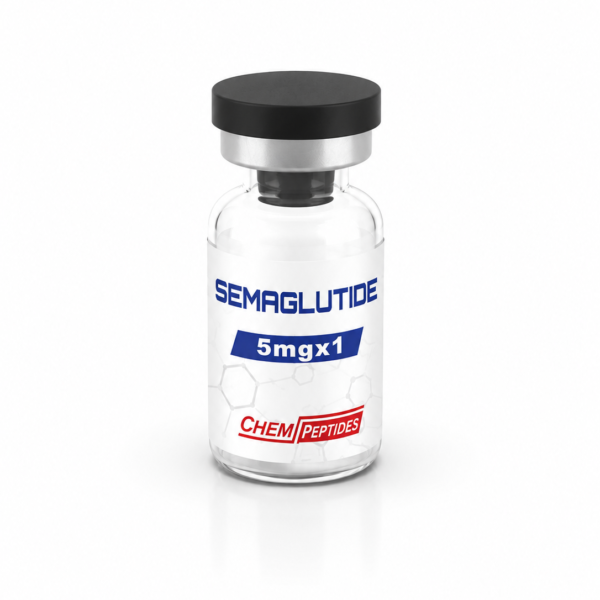
Betalen met iDEAL of Wero. Verzending in discrete verpakking vanuit Nederland. Uitsluitend voor laboratorium- en onderzoeksdoeleinden.