
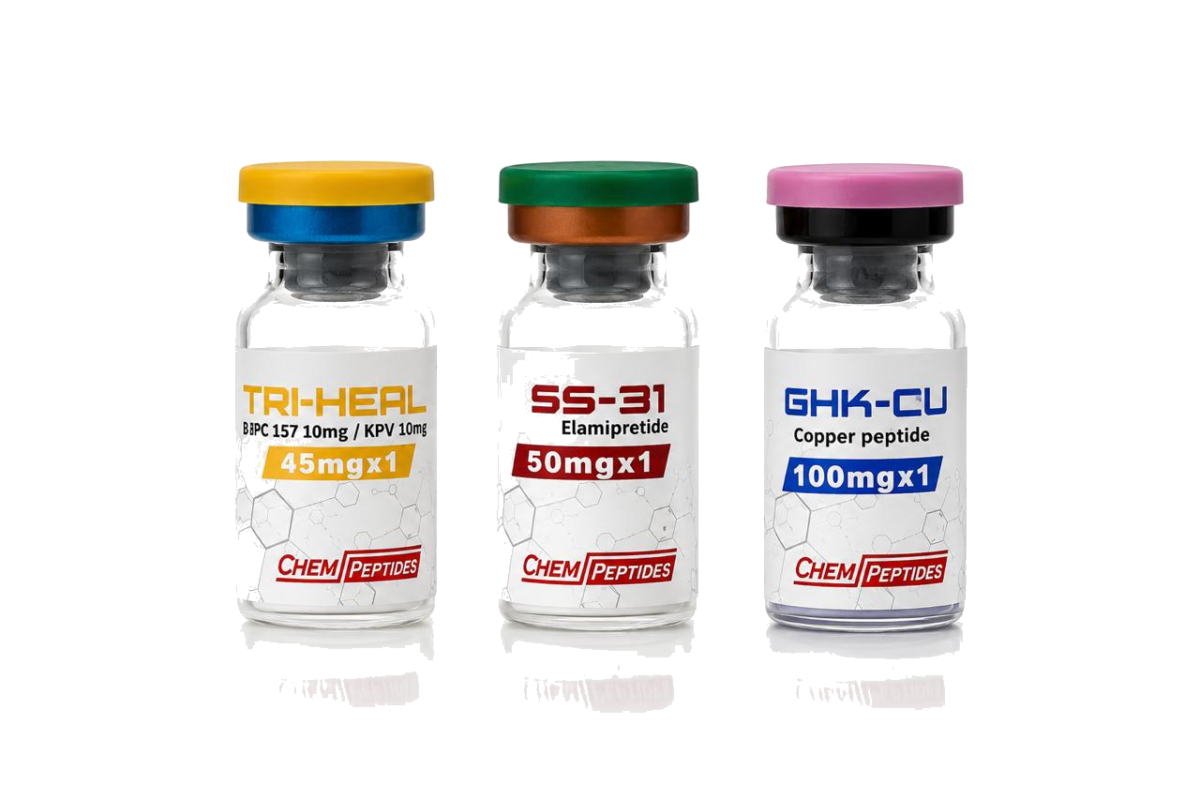
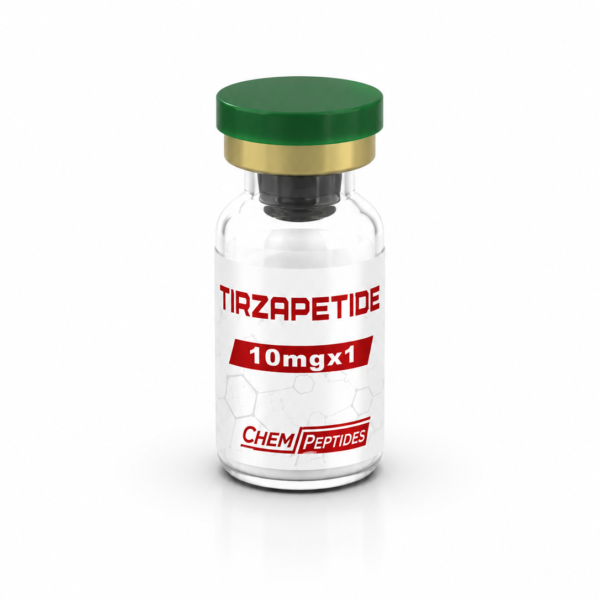
Mounjaro (tirzepatide) en Ozempic (semaglutide) zijn de twee meest voorgeschreven incretine-agonisten ter wereld. Ze delen een receptordoelwit, GLP-1, maar verschillen in mechanisme, dosering en uitkomsten. Deze vergelijking naast elkaar zet ze tegenover elkaar op elke dimensie die ertoe doet in de onderzoeksliteratuur.
Mechanisme: één receptor versus twee
Ozempic (semaglutide) is een agonist voor één receptor. Het activeert alleen de GLP-1-receptor. Mounjaro (tirzepatide) is een duale agonist die zowel de GLP-1- als de GIP-receptor activeert. Het GIP-component voegt insulinesensibilisatie toe en kan de gastro-intestinale bijwerkingen verminderen.
Structurele vergelijking
| Kenmerk | Semaglutide | Tirzepatide |
|---|---|---|
| Lengte | 30 aminozuren | 39 aminozuren |
| Receptoren | GLP-1 | GLP-1 + GIP |
| Albuminelinker | C18-vetzuur via Glu | C20-vetdizuur via γ-Glu-2xAEEA |
| Halfwaardetijd | ~7 dagen | ~5 dagen |
Doseringsschema’s: diabetesindicatie
| Verbinding | Startdosis | Onderhoudsbereik |
|---|---|---|
| Semaglutide (Ozempic) | 0,25 mg wekelijks | 0,5 tot 2,0 mg wekelijks |
| Tirzepatide (Mounjaro) | 2,5 mg wekelijks | 5 tot 15 mg wekelijks |
SURPASS-2: het directe head-to-head-onderzoek
Het SURPASS-2-onderzoek (Frias et al., NEJM 2021) is de bepalende vergelijking. Volwassenen met type 2-diabetes kregen gedurende 40 weken ofwel tirzepatide (5, 10 of 15 mg wekelijks) ofwel semaglutide 1 mg wekelijks. Resultaten:
| Eindpunt | Semaglutide 1mg | Tirzepatide 5mg | Tirzepatide 10mg | Tirzepatide 15mg |
|---|---|---|---|---|
| HbA1c-reductie | -1,86% | -2,09% | -2,37% | -2,46% |
| Gewichtsverlies | -5,7 kg | -7,6 kg | -9,3 kg | -11,2 kg |
Tirzepatide presteerde bij alle drie de doses beter dan semaglutide op zowel de glykemische als de gewichtseindpunten. De arm met 15 mg leverde ongeveer tweemaal zoveel gewichtsverlies op als de referentiearm met 1 mg semaglutide.
Gewichtsverlies in obesitasonderzoek
Indirecte vergelijking uit STEP 1 versus SURMOUNT-1:
- Semaglutide 2,4 mg wekelijks: 14,9% verlies van lichaamsgewicht na 68 weken (STEP 1)
- Tirzepatide 15 mg wekelijks: 22,5% verlies van lichaamsgewicht na 72 weken (SURMOUNT-1)
Directe head-to-head-obesitasonderzoeken zijn nog in afwachting. De indirecte vergelijking is sterk in het voordeel van tirzepatide voor de gewichtseindpunten.
Bijwerkingenprofiel
Beide moleculen tonen vergelijkbare categorieën van ongewenste voorvallen, overwegend gastro-intestinaal. Sommig onderzoek suggereert dat de GIP-activatie van tirzepatide de incidentie van misselijkheid kan verlagen bij gelijkwaardige GLP-1-effectiviteit, maar head-to-head-data over ongewenste voorvallen zijn beperkt.
Farmacokinetische verschillen
- Tirzepatide bereikt de steady-state sneller (~4 weken) dan semaglutide (~5 weken)
- Beide ondersteunen wekelijkse dosering
- Beide worden hoofdzakelijk geklaard via proteolytische afbraak, met een geringe renale klaring
Wanneer semaglutide de voorkeur heeft in onderzoek
- Langer gevestigd veiligheidsdossier (meer jaren aan postmarketingdata)
- Orale formulering beschikbaar (Rybelsus)
- Lagere kosten per mg in gereguleerde markten
- Onderzoeken die specifiek GLP-1-monotherapie modelleren
Wanneer tirzepatide de voorkeur heeft in onderzoek
- Maximaal eindpunt voor gewichtsverlies
- Gecombineerde modellering van glykemische en gewichtsuitkomsten
- Lager misselijkheidsprofiel per gelijkwaardige effectiviteit
- Onderzoeken die de duale-incretine-hypothese toetsen
Stabiliteit en hantering
Beide moleculen worden gelyofiliseerd geleverd. Beide worden gereconstitueerd in bacteriostatisch water bij 5 tot 10 mg/mL. De langere sequentie van tirzepatide is gevoeliger voor vries-dooicycli. Zie onze gids voor het reconstitutieprotocol.
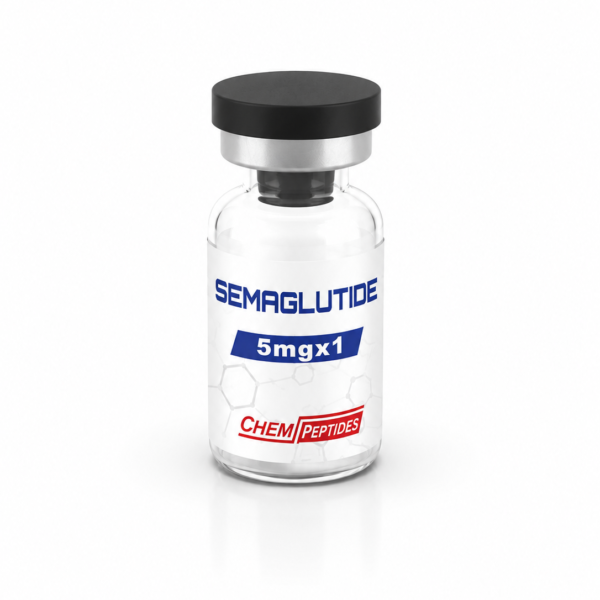
Chempeptides levert beide met een batchspecifiek CoA: zie de catalogus.
Alleen voor onderzoeksdoeleinden.
Gerelateerd onderzoek
- Tirzepatide versus semaglutide: gids voor cyclusplanning
- GLP-1-agonisten: tirzepatide versus semaglutide
- Tirzepatide versus semaglutide voor lichaamssamenstelling: vetverlies vergeleken
- Tirzepatide versus semaglutide versus retatrutide: overzicht van triple-agonist-onderzoek
- Mounjaro vs Ozempic vs Wegovy: De Complete Vergelijking voor 2026
Research disclaimer▾
Alle informatie op deze pagina is bedoeld voor laboratoriumonderzoek en in-vitro studies. Geen humane consumptie. Geen medische claims. Producten zijn niet goedgekeurd door EMA of FDA voor therapeutisch gebruik.
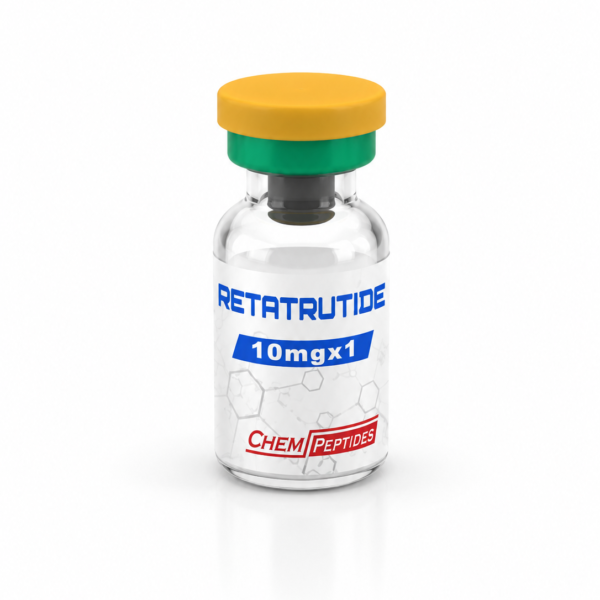
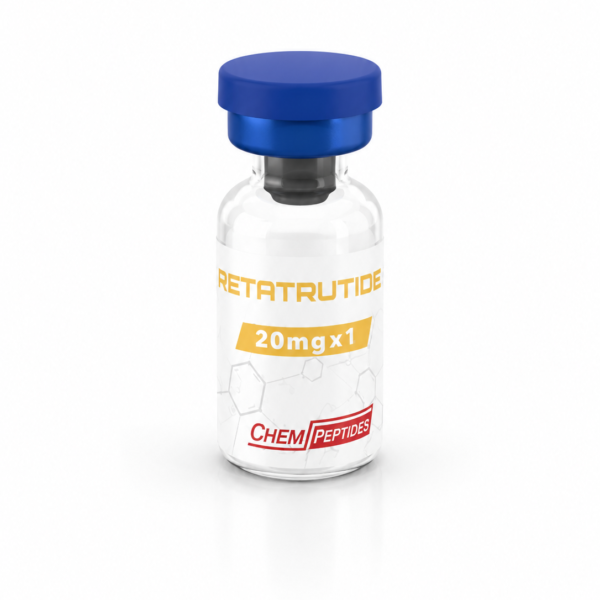
Onderzoeksmateriaal bij dit onderwerp
De peptiden die in metabool en vetverlies-onderzoek het meest worden gebruikt:
Betalen met iDEAL of Wero. Verzending in discrete verpakking vanuit Nederland. Uitsluitend voor laboratorium- en onderzoeksdoeleinden.