Een peptide op de werkbank is een molecuul in beweging. Vanaf het moment dat het de vriesdroger verlaat, begint de klok te lopen: elke minuut bij de verkeerde temperatuur, elke vries-dooicyclus, elke onbedoelde lichtblootstelling neemt een kleine hoeveelheid integriteit weg van het uiteindelijke materiaal. Voor een onderzoeksverbinding is “houdbaarheid” niet één enkel getal op een etiket: het is het cumulatieve resultaat van hoe het peptide bij elke stap tussen de fabrikant en de assay wordt behandeld. Hier volgt een praktisch opslagraamwerk voor onderzoekspeptiden.
Twee toestanden, twee protocollen
Peptide-opslag valt uiteen in twee fundamenteel verschillende condities: gelyofiliseerd (droog poeder) en gereconstitueerd (in oplossing). Dit zijn niet hetzelfde probleem.
Gelyofiliseerd peptide is structureel stabiel omdat water, het oplosmiddel van de meeste afbraakreacties, is verwijderd. Zonder water stopt hydrolyse. Deamidatie vertraagt drastisch. Oxidatie gaat door maar in een veel lager tempo. Een goed gelyofiliseerd peptide dat correct wordt opgeslagen, behoudt zijn analytische profiel jarenlang.
Gereconstitueerd peptide is vanuit stabiliteitsoogpunt een ander molecuul. Zodra water wordt toegevoegd, zijn alle afbraakroutes weer actief. Opslagbeslissingen voor oplossingen gaan over het vertragen van die routes, niet over het elimineren ervan.
Temperatuurdoelen voor gelyofiliseerd peptide
- -20°C (vriezer): de standaard langetermijnopslagtemperatuur voor vrijwel alle gelyofiliseerde peptiden. Jaren van stabiliteit voor de meeste sequenties.
- -80°C (ultravriezer): de meest conservatieve optie, nuttig voor sterk oxidatiegevoelige sequenties (methionine, tryptofaan, vrij cysteïne) of voor archiefmonsters waar de ophaalfrequentie laag is.
- 4°C (koelkast): alleen kortetermijn. Maanden van stabiliteit voor de meeste gelyofiliseerde peptiden, maar niet het aanbevolen langetermijn-instelpunt.
- Kamertemperatuur: alleen voor transport. Geen opslagconditie.
Temperatuurdoelen voor gereconstitueerd peptide
- 4°C: dagen tot enkele weken voor de meeste gereconstitueerde peptiden, afhankelijk van de sequentiestabiliteit. Geschikt voor een actief gebruikte flacon die binnen de werkweek wordt verbruikt.
- -20°C: maanden voor de meeste gereconstitueerde aliquots. De standaard voor middellange-termijnopslag van oplossingen wanneer correct gealiquoteerd om vries-dooicycli te vermijden.
- -80°C: de conservatieve keuze voor gevoelige sequenties of langdurige opslag. Vermindert alle kinetische afbraaksnelheden.
De vries-dooiregel
Elke vries-dooicyclus introduceert lokale concentratiegradiënten tijdens de ijskristallisatie, stelt het peptide bloot aan hogere opgeloste-stofconcentraties aan het vriesgrensvlak, en creëert oxidatiekansen aan de lucht-water-grensvlakken tijdens het ontdooien. De schade per cyclus is klein. De schade stapelt op.
De praktische regel is: aliquoteer één keer, vries één keer in, ontdooi één keer. Een flacon van 5 mg die wordt gereconstitueerd tot 50 aliquots van 100 µg is vijftig containers voor eenmalig gebruik. Elk wordt precies één keer ontdooid, gebruikt, en het lege buisje weggegooid. Het peptide dat in week 30 de assay ingaat, is structureel identiek aan het peptide dat in week 1 de assay inging.
Licht, zuurstof en de chemie van langzame afbraak
Methionine- en tryptofaanresiduen zijn kwetsbaar voor oxidatie door atmosferische zuurstof, versneld door UV-blootstelling. Cysteïneresiduen vormen disulfidebruggen met elkaar of met cellulaire thiolen, en vrije cysteïnen kunnen ook oxideren tot sulfoxide- en sulfonderivaten. Deze reacties zijn traag bij -20°C maar niet nul.
Mitigaties:
- Amberkleurige of ondoorzichtige opslag voor peptiden met aromatische residuen, met name wanneer ze in heldere glazen flacons worden bewaard.
- Inertgaslaag (stikstof of argon) onder de dop van flacons met oxidatiegevoelige peptiden: bijzonder nuttig voor vrij-cysteïne sequenties.
- Toevoeging van antioxidant (sporen DTT of TCEP) waar de stroomafwaartse assay dit tolereert.
Keuze van container is van belang
Glazen flacons zijn de standaard voor gelyofiliseerd materiaal omdat de verzegeling van de fabrikant intact is en het glas niet reactief is. Voor gealiquoteerde oplossingen minimaliseren low-binding polypropyleen buisjes het peptideverlies aan de containerwand. Sommige hydrofobe peptiden zullen na verloop van tijd meetbaar adsorberen aan standaard polypropyleen: voor die sequenties zijn low-protein-binding buisjes de extra kosten waard.
Documentatie die drift opvangt
Elk onderzoekslab staat uiteindelijk voor de vraag: “is dit peptide nog goed?” Het antwoord hangt af van wat op het moment van opslag is vastgelegd.
Minimaal nuttige documentatie per flacon of aliquot:
- Peptidenaam, lotnummer, ontvangstdatum.
- Datum van reconstitutie en het gebruikte oplosmiddel.
- Eindconcentratie en opslaglocatie.
- Datum en volume van elke onttrekking.
Deze registratie zet een dubbelzinnige vraag om in een berekenbaar antwoord. Wanneer een assay begint te driften, is de opslagregistratie het eerste dat gecontroleerd moet worden.
Onderbroken verzending is geen opslag
Een peptide dat vier dagen in een douanemagazijn bij onbekende temperatuur heeft doorgebracht, verkeert niet in dezelfde toestand als de zojuist aangekomen flacon. Het CoA beschrijft het peptide bij de fabrikant. De geschiedenis van de opslagcondities bepaalt of het CoA nog van toepassing is. Daarom is koelketenverzending met temperatuurregistratie van belang: het bewaart de koppeling tussen het analytische certificaat en het molecuul op uw werkbank.
Het Chempeptides-protocol
Elke flacon wordt gelyofiliseerd verzonden met koelketenhantering, klaar voor opslag bij -20°C bij aankomst. Elk lot wordt HPLC-geverifieerd op ≥99% zuiverheid vóór verzending. De flacon, het certificaat en het opslagprotocol definiëren samen een onderzoekspeptide dat zich identiek gedraagt over experimenten en over maanden heen.
Gelyofiliseerd, per koelketen verzonden, klaar voor de vriezer. Bekijk de catalogus met onderzoekspeptiden.
Gerelateerd onderzoek
- Lyofilisatie en reconstitutie van onderzoekspeptiden: de wetenschap van vriesdrogen en bacteriostatisch water
- Bacteriostatisch water vs steriel water: vergelijking van reconstitutieoplosmiddelen voor peptiden
- 7 reconstitutiefouten die onderzoekspeptiden afbreken
- Gelyofiliseerde vs vloeibare peptiden: een reconstitutiegids voor onderzoekers
- Peptide cycli planning: complete gids voor onderzoek protocols met loading en washout
Research disclaimer▾
Alle informatie op deze pagina is bedoeld voor laboratoriumonderzoek en in-vitro studies. Geen humane consumptie. Geen medische claims. Producten zijn niet goedgekeurd door EMA of FDA voor therapeutisch gebruik.
Research-grade materiaal bij Chempeptides
De meest gebruikte research peptiden uit onze catalogus:
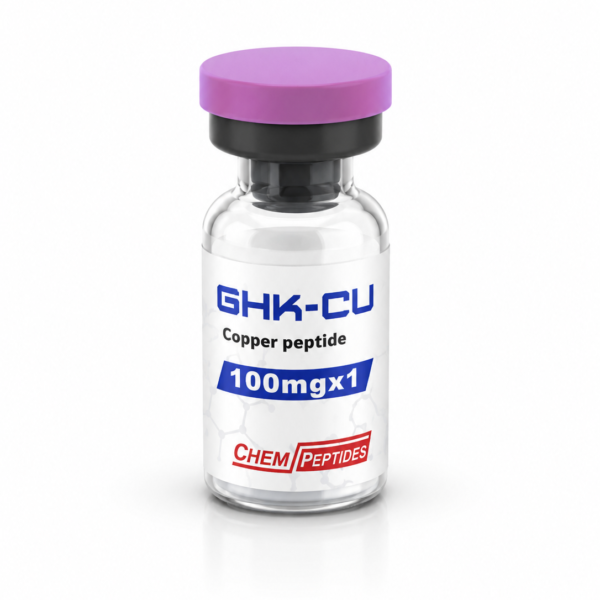
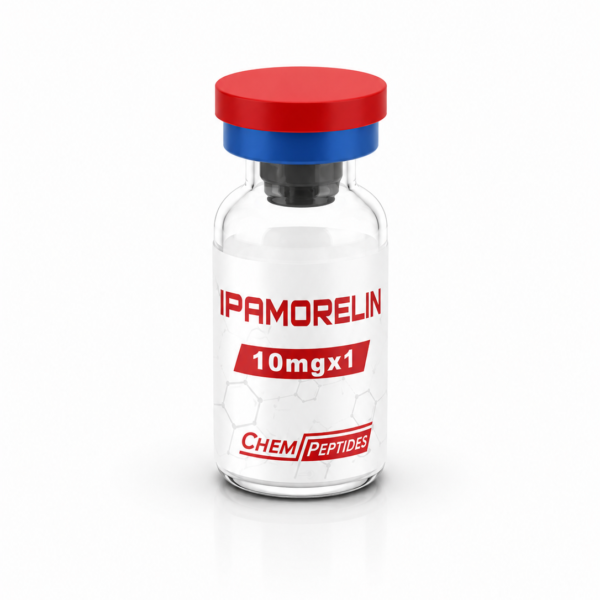
Betalen met iDEAL of Wero. Verzending in discrete verpakking vanuit Nederland. Uitsluitend voor laboratorium- en onderzoeksdoeleinden.