
Je eet schoon en traint hard, maar in de spiegel verandert er niets meer. Op een plateau lopen de meeste cuts vast. Dit is wat de onderzoeksliteratuur beschrijft over de peptiden die worden bestudeerd rond vetverlies en behoud van vetvrije massa.
Waarom plateaus ontstaan
Zoals besproken in het onderzoek naar eetlust, past het lichaam zich aan een tekort aan door het energieverbruik te verlagen en de honger te vergroten. Tegelijkertijd wordt het behouden van spiermassa tijdens een cut moeilijker naarmate de calorieën dalen. Recompositie, vet verliezen terwijl je vetvrije massa behoudt, is biologisch veeleisend, en daarom vertraagt de vooruitgang.
Peptiden die op dit gebied worden bestudeerd
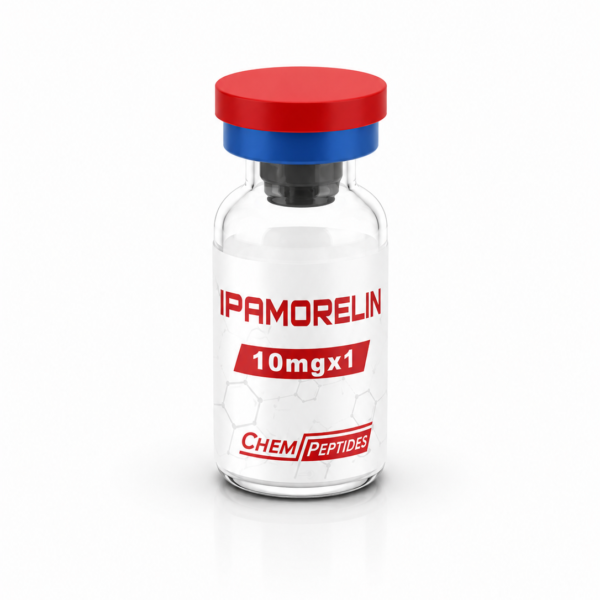
Verschillende onderzoekscompounds richten zich op verschillende delen van het geheel. De GLP-1 en dubbele of drievoudige agonisten zijn het best gedocumenteerd voor het verminderen van vetmassa in gecontroleerde studies. Groeihormoon-as-peptiden zoals CJC-1295 en Ipamorelin zijn bestudeerd op hun effect op GH- en IGF-1-signalering, wat relevant is voor vetvrij weefsel in onderzoeksmodellen. Op herstel gerichte peptiden zoals BPC-157 komen voor in preklinische studies naar weefselherstel. Elk bevindt zich in een ander stadium van bewijs.
Wat het onderzoek benadrukt
Geen enkele compound vervangt de basis waarop studies zijn gebouwd: een passende eiwitinname, krachttraining en een houdbaar tekort. In de literatuur worden peptiden bestudeerd als aanvulling binnen gecontroleerde protocollen, niet als vervanging van die onderdelen.
De kern
Plateaus zijn een voorspelbare aanpassing, en het onderzoek weerspiegelt een systemische benadering. Ga verder met ons overzicht van vetverlies-peptiden in onderzoek en waarom diëten mislukken.
Research disclaimer▾
Alle informatie op deze pagina is bedoeld voor laboratoriumonderzoek en in-vitro studies. Geen humane consumptie. Geen medische claims. Producten zijn niet goedgekeurd door EMA of FDA voor therapeutisch gebruik.
Research-grade materiaal bij Chempeptides
De meest gebruikte research peptiden uit onze catalogus:
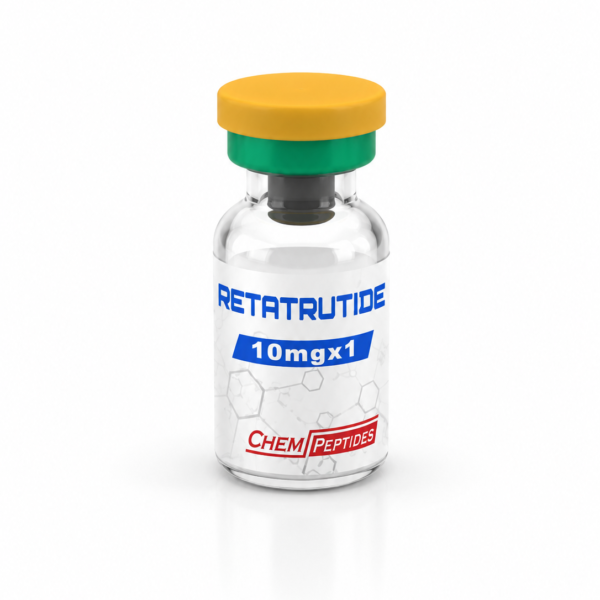
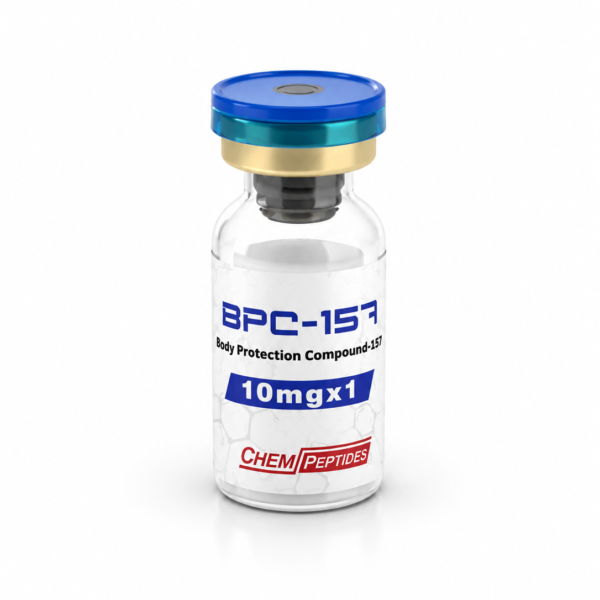
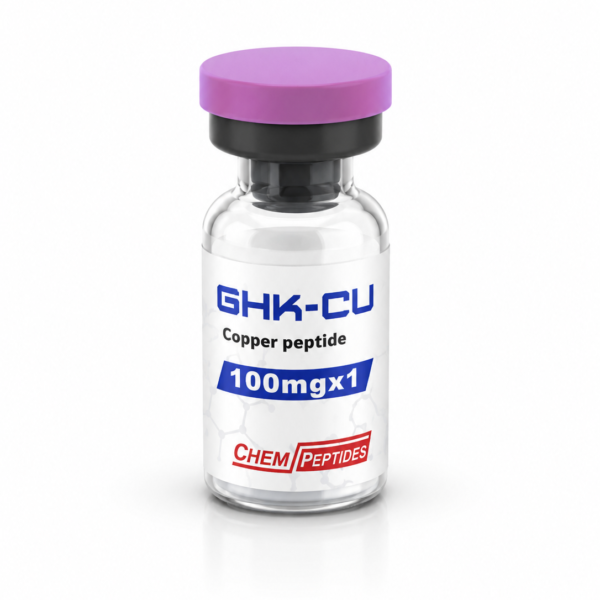
Betalen met iDEAL of Wero. Verzending in discrete verpakking vanuit Nederland. Uitsluitend voor laboratorium- en onderzoeksdoeleinden.