
Voordat GLP-1 receptoragonisten hun intrede deden in het reguliere onderzoek, werd het landschap van afslankverbindingen gedomineerd door stacks op basis van stimulantia: ECA-combinaties, clenbuterol, T3-schildklieranalogen en DNP, dat inmiddels als te gevaarlijk geldt voor welke onderzoekscontext dan ook. De gepubliceerde eindpunten van die verbindingen kwamen niet verder dan ongeveer 5 tot 8 procent gewichtsreductie over 12 weken. GLP-1 onderzoeksverbindingen zetten die maatstaf op 14 tot 24 procent over 48 tot 72 weken. Dat is geen geleidelijke verbetering. Dat is een verschuiving van mechanisme.
Wat de klassieke stacks werkelijk deden
Afslankonderzoek op basis van stimulantia werkte via een verhoogde stofwisseling en effecten van het centrale zenuwstelsel op de eetlust. Het mechanisme was perifeer en kortdurend. Proefpersonen verbrandden in rust meer calorieen en aten minder onder invloed van het stimulans, maar de verhoging van de stofwisseling zakte binnen uren weg, centrale gewenning ontstond binnen weken en de belasting van hart en bloedvaten was aanzienlijk.
- ECA-stacks: ongeveer 2 tot 4 procent gewichtsverlies na 8 weken in onderzoeksmodellen
- Clenbuterol: ongeveer 3 tot 5 procent gewichtsverlies na 4 tot 6 weken, met snelle ongevoeligheid van de receptor
- T3 en synthetische schildklierhormonen: moeilijk te scheiden van gelijktijdig spierverlies
- DNP: gevaarlijke warmtebelasting, niet in gebruik in modern onderzoek
Wat GLP-1 onderzoeksverbindingen anders doen
De verbindingen uit de incretineklasse, semaglutide, tirzepatide en retatrutide, werken via receptorroutes die het lichaam zelf al gebruikt om verzadiging na een maaltijd te regelen. Ze verhogen de stofwisseling niet kunstmatig en belasten het hart- en vaatstelsel niet. Ze zorgen dat de hersenen langer verzadiging registreren, vertragen de maaglediging zodat een maaltijd uren blijft hangen in plaats van een uur, en verbeteren de insulinerespons. Het mechanisme bootst lichaamseigen signalen na en drijft niet op stimulantia.
Lees ons artikel over het GLP-1 mechanisme in gewone taal voor de volledige uitleg.
De eindpunten vergeleken
| Benadering | Beste gepubliceerde eindpunt | Mechanisme |
|---|---|---|
| ECA-stack | Ongeveer 4 procent na 8 weken | Centraal stimulans plus thermogeen |
| Clenbuterol | Ongeveer 5 procent na 6 weken | Beta2-agonist, thermogeen |
| Semaglutide | 14,9 procent na 68 weken | GLP-1 receptoragonisme |
| Tirzepatide | 22,5 procent na 72 weken | Dubbel GLP-1 en GIP |
| Retatrutide | 24,2 procent na 48 weken | Drievoudig GLP-1, GIP en glucagon |
Waarom ook de duur ertoe doet
Stacks met stimulantia verliezen na 4 tot 6 weken hun werking door ongevoeligheid van de receptor. GLP-1 verbindingen behouden hun effect over meer dan 18 maanden in trialdata. Het trage verloop van het gewichtsverlies bij GLP-1 is de afruil: de pieksnelheid ligt lager, maar de totale omvang over tijd is een veelvoud hoger.
De verschuiving in het veiligheidsprofiel
De klassieke stacks brachten reele risico’s voor hart, bloedvaten en warmteregulatie met zich mee: hartkloppingen, oververhitting en een verhoogde bloeddruk bij aanhoudend gebruik. GLP-1 verbindingen hebben een ander bijwerkingenprofiel, van maag-darmaard, hanteerbaar en doorgaans afnemend bij voortgezette blootstelling. Cardiovasculaire uitkomsttrials met semaglutide, waaronder SELECT, lieten een afname van cardiovasculaire gebeurtenissen zien in plaats van een toename.
Wat dit betekent voor serieus onderzoek
Wie in 2026 een onderzoeksprotocol voor lichaamssamenstelling opzet, kan de klassieke stimulansstack niet meer als geloofwaardig uitgangspunt gebruiken. De klasse van GLP-1, dubbele en drievoudige agonisten heeft die rol overgenomen als referentieverbinding. Vergelijkingsarmen in modern onderzoek gebruiken semaglutide of tirzepatide, geen ECA.
De complexiteit in de omgang verschilt
Klassieke afslankverbindingen waren tabletten voor orale inname, eenvoudig toe te dienen in onderzoek. GLP-1 verbindingen zijn gelyofiliseerde peptiden die reconstitutie, gekoeld transport en correcte opslag vragen. De kosten voor de infrastructuur liggen hoger. Daar staat de omvang van het effect tegenover.
Chempeptides levert HPLC-geverifieerde semaglutide, tirzepatide en retatrutide met batchcertificaat. Bekijk de onderzoekscatalogus voor de actuele beschikbaarheid.
Uitsluitend voor laboratoriumonderzoek. Trialdata samengevat uit gepubliceerd, collegiaal getoetst onderzoek.
Gerelateerd onderzoek
- Snel gewichtsverlies in GLP-1 onderzoek: wat de fase 3 trialdata werkelijk laten zien
- GLP-1 agonisten: tirzepatide tegenover semaglutide
- Ozempic uitgelegd: het mechanisme van semaglutide in afslankonderzoek
- Retatrutide: wat de data over de drievoudige agonist laten zien
- Ozempic tegenover Wegovy en Rybelsus: de semaglutide-merken vergeleken
Research disclaimer▾
Alle informatie op deze pagina is bedoeld voor laboratoriumonderzoek en in-vitro studies. Geen humane consumptie. Geen medische claims. Producten zijn niet goedgekeurd door EMA of FDA voor therapeutisch gebruik.
Onderzoeksmateriaal bij dit onderwerp
De peptiden die in metabool en vetverlies-onderzoek het meest worden gebruikt:
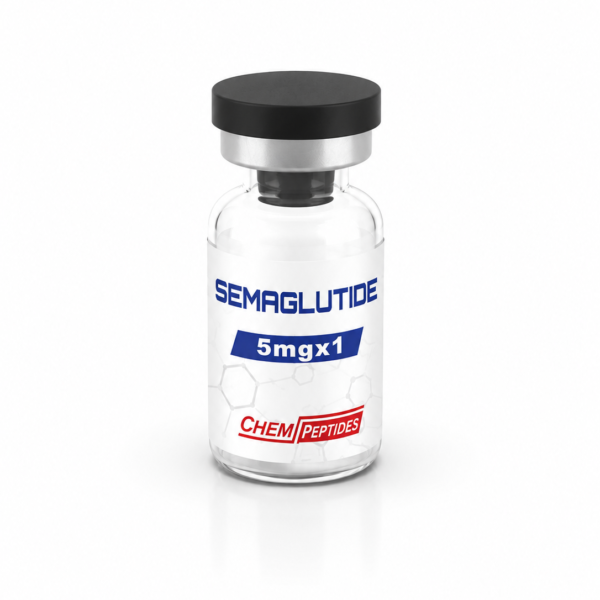
Betalen met iDEAL of Wero. Verzending in discrete verpakking vanuit Nederland. Uitsluitend voor laboratorium- en onderzoeksdoeleinden.