
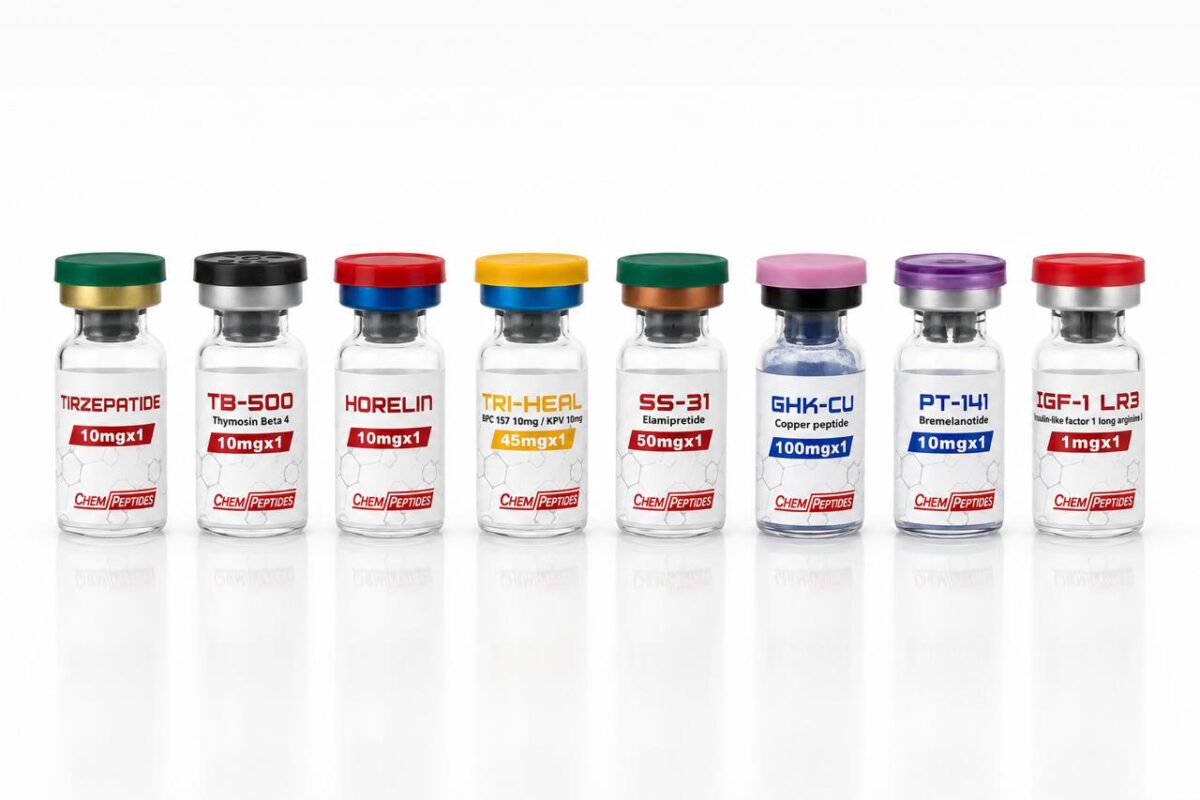
BPC-157 en TB-500 domineren de onderzoeksliteratuur over weefselherstelpeptiden. Ze worden routinematig verward, af en toe gestackt en zelden mechanistisch afzonderlijk begrepen. Dit artikel vergelijkt ze op mechanisme, doelweefsel en onderzoekstoepassingen.
Oorsprong: ze zijn niet verwant
| Verbinding | Bron | Lengte |
|---|---|---|
| BPC-157 | Synthetisch fragment van body protection compound (maagsap) | 15 aminozuren |
| TB-500 | Synthetisch fragment van thymosine beta-4 (actine-sekwestrerend) | 17 aminozuren (TB4 fragment 17-23 regio) |
De twee peptiden komen uit volledig verschillende moedermoleculen en werden ontwikkeld voor verschillende onderzoekslijnen. Beide werden om uiteenlopende redenen prominent in de literatuur over weefselherstel.
Mechanisme: BPC-157
De gedocumenteerde mechanismen van BPC-157 omvatten:
- Angiogenese via opregulatie van VEGFR2
- Modulatie van de stikstofmonoxideroute (bidirectioneel)
- FAK-paxilline signalering voor de motiliteit van fibroblasten en tenocyten
- Expressie van de groeihormoonreceptor op bindweefselcellen
De primaire therapeutische invalshoek is brede systeembescherming: maagmucosa, pees, ligament, spier, darm.
Mechanisme: TB-500
TB-500 (of nauwkeuriger, thymosine beta-4 en het actieve fragment ervan) werkt via:
- Actine-sekwestratie: bindt G-actine en voorkomt voortijdige polymerisatie
- Versterking van celmigratie via herstructurering van het cytoskelet
- Migratie van endotheelcellen en angiogenese
- Ontstekingsremmende cytokinemodulatie
De actine-bindende werking is uniek onder weefselherstelpeptiden: het beïnvloedt de celmotiliteit rechtstreeks op het niveau van het cytoskelet.
Naast elkaar
| Kenmerk | BPC-157 | TB-500 |
|---|---|---|
| Primair mechanisme | Angiogenese, NO-modulatie | Actine-sekwestratie, celmigratie |
| Sterkste weefselbewijs | Darmmucosa, pees | Cardiaal, vasculair, dermale wond |
| Halfwaardetijd | ~2 uur subcutaan | ~2-3 uur subcutaan |
| Stabiliteit (gelyofiliseerd) | Uitstekend | Goed |
| Houdbaarheid gereconstitueerd | ~4-6 weken gekoeld | ~3-4 weken gekoeld |
Onderzoek naar pezen en ligamenten
Beide peptiden komen voor in onderzoek naar peesherstel, zij het vanuit verschillende invalshoeken. Het peesonderzoek van BPC-157 (Chang et al., 2014) toont versnelling van de genezing van pees naar bot bij de achillespees via expressie van de groeihormoonreceptor. Het peesonderzoek van TB-500 is beperkter maar wijst op versterking van de celmigratie tijdens herstel.
Onderzoek naar hart en bloedvaten
TB-500/TB4 heeft sterker bewijs in onderzoek naar cardiaal herstel, met name in modellen na een myocardinfarct. Het actine-bindende mechanisme lijkt bijzonder relevant voor het herstel van cardiomyocyten en vasculaire regeneratie. Het vasculaire bewijs van BPC-157 is angiogenese-gedreven maar minder cardiaal-specifiek.
Onderzoek naar darmmucosa
BPC-157 domineert het onderzoek naar darmmucosa. Onderzoeksmodellen voor stressulcus, NSAID-schade en inflammatoire darmziekte tonen allemaal consistente bescherming door BPC-157. TB-500 is niet op vergelijkbare wijze gekarakteriseerd in darmonderzoek.
Combinatieonderzoek
De twee peptiden richten zich op verschillende mechanismen, waardoor combinatieonderzoek mechanistisch rationeel is. BPC-157 drijft angiogenese en NO-modulatie aan; TB-500 drijft celmigratie aan. Samen dekken ze meer van de wondgenezingscascade dan elk afzonderlijk.
Combinatieonderzoek is beperkt maar suggestief: anekdotisch onderzoek rapporteert sterkere eindpunten voor weefselherstel in diermodellen bij gecombineerde toediening. Gecontroleerde vergelijkende trials zijn schaars.
Welke te gebruiken in onderzoek
| Onderzoeksdoel | Voorkeurspeptide |
|---|---|
| Maag-/darmmucosa | BPC-157 |
| Herstel van peesaanhechting | BPC-157 (sterker bewijs) |
| Cardiaal herstel na ischemie | TB-500 (sterker bewijs) |
| Celmigratiestudies | TB-500 (direct mechanisme) |
| Algemeen wondgenezingsmodel | Beide (of combinatie) |
Reconstitutienotities
Beide reconstitueren in bacteriostatisch water. BPC-157 doorgaans op 2-5 mg/mL, TB-500 op 1-2 mg/mL. Zie onze gids voor het reconstitutieprotocol.
Chempeptides levert beide met batch CoA: zie de onderzoekscatalogus.
Uitsluitend voor onderzoeksdoeleinden.
Gerelateerd onderzoek
- BPC-157 Onderzoeksoverzicht: Mechanismen en Weefselherstelliteratuur
- BPC-157 en TB-500 Stacking: Wat In-Vitro en Dieronderzoek Werkelijk Toont
- BPC-157 voor weefselherstel onderzoek: complete gids voor research grade peptide
- GHK-Cu en BPC-157 in Onderzoek naar Huid- en Weefselherstel: Een Mechanistisch Overzicht
- BPC-157: Recente Bevindingen in Weefselherstel
Research disclaimer▾
Alle informatie op deze pagina is bedoeld voor laboratoriumonderzoek en in-vitro studies. Geen humane consumptie. Geen medische claims. Producten zijn niet goedgekeurd door EMA of FDA voor therapeutisch gebruik.
Onderzoeksmateriaal bij dit onderwerp
De peptiden die in weefselherstel-onderzoek het meest worden gebruikt:
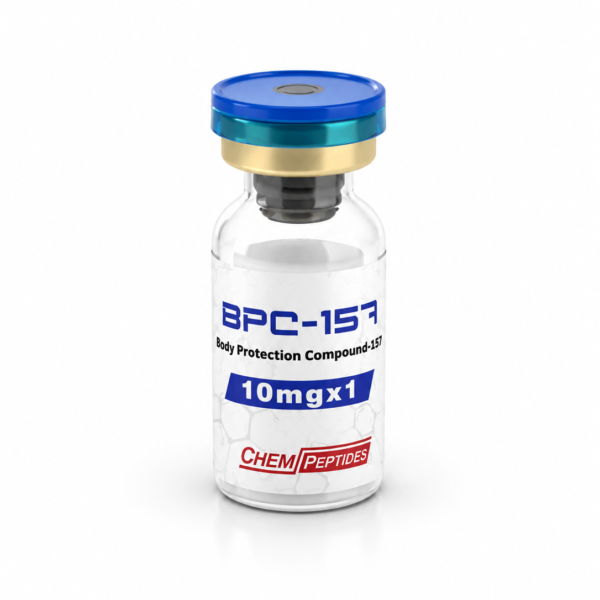 BPC 157 10mg€ 70,00
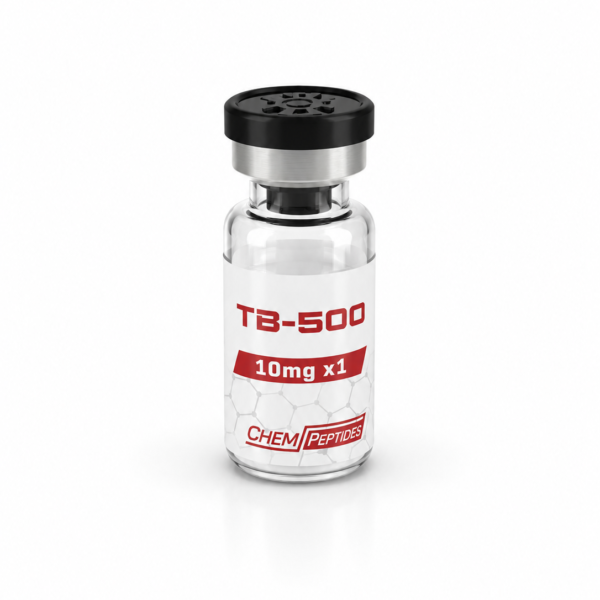 TB500 10mg€ 70,00
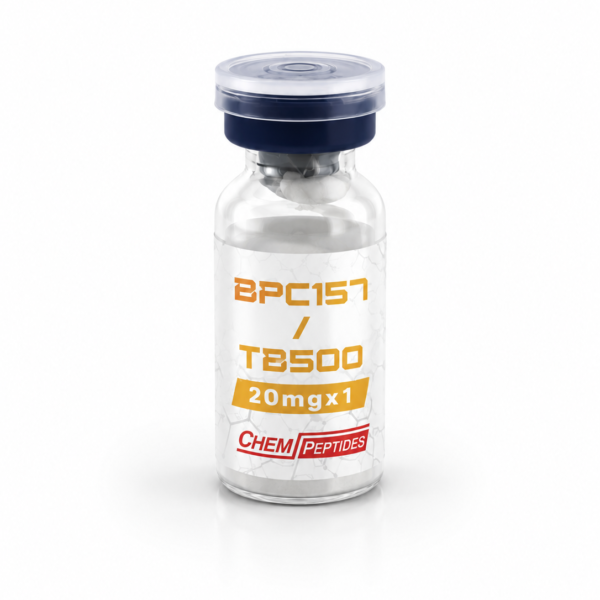 BPC-157 + TB-500 10/10mg€ 100,00
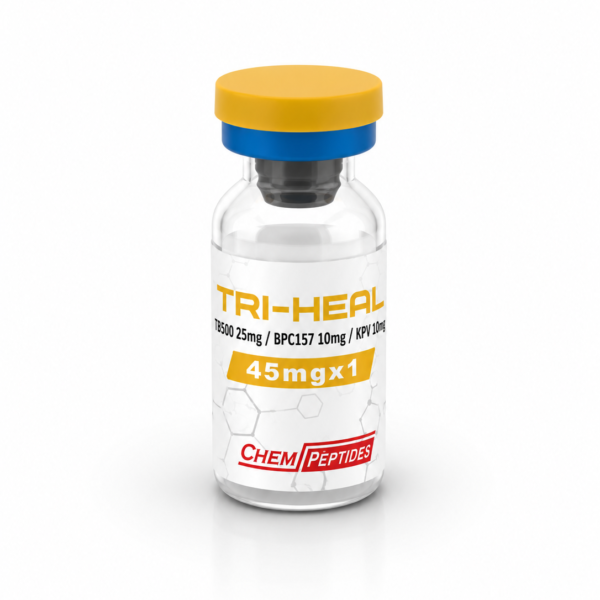 Tri-Heal TB-500 + BPC-157 + KPV 25/10/10mg€ 140,00
Betalen met iDEAL of Wero. Verzending in discrete verpakking vanuit Nederland. Uitsluitend voor laboratorium- en onderzoeksdoeleinden.