Open een verse flacon research-peptide en de eerste beslissing die je neemt, nog vóór de assay, vóór de verdunning, vóór elke monsterbehandeling, is hoe je het in oplossing brengt. Het peptide dat de fabrikant verliet als een droge witte koek of luchtig poeder is niet het peptide dat je zult pipetteren. Reconstitutie is de brug tussen die twee, en het is de stap waarbij meer onderzoeksdata stilletjes misgaat dan bij welke andere afzonderlijke stap dan ook.
Waarom peptiden gelyofiliseerd worden verzonden
Lyofilisatie, vriesdrogen onder vacuüm, verwijdert water uit de peptideoplossing bij sublimatietemperaturen en laat een droge, amorfe vaste stof achter. De reden is eenvoudig: water is het oplosmiddel van vrijwel elke peptidedegradatiereactie. Hydrolyse, deamidering, aspartimidevorming en de meeste oxidatiechemie hebben allemaal water nodig om te verlopen. Neem het water weg en het molecuul verkeert in een schijndood. Een correct gelyofiliseerd peptide dat bij -20°C wordt bewaard, is jarenlang stabiel. Hetzelfde peptide in waterige buffer bij dezelfde temperatuur heeft een houdbaarheid van weken tot maanden.
Lyofilisatie maakt peptiden ook verzendbaar. Een droge koek bij kamertemperatuur is tijdens transport veel robuuster dan een kwetsbare waterige oplossing. De keerzijde is dat de onderzoeker de reconstitutiestap erbij krijgt.
Het juiste oplosmiddel kiezen
De standaardkeuze is bacteriostatisch water (0,9% benzylalcohol in water voor injectie) voor veel kleine, in water oplosbare peptiden. Het is steriel, licht conserverend en chemisch inert ten opzichte van de meeste peptidechemie. Het is echter niet universeel.
De oplosbaarheid hangt af van de aminozuursamenstelling van het peptide:
- Sterk hydrofiele peptiden (rijk aan lysine, arginine, glutamaat, aspartaat) lossen doorgaans direct op in water.
- Hydrofobe of deels hydrofobe sequenties kunnen water weerstaan en vereisen een klein percentage azijnzuur (0,1-1%) om het molecuul te protoneren en aggregaten te verbreken.
- Peptiden met disulfidebruggen of sterk basische peptiden kunnen verdund ammoniumbicarbonaat of een zorgvuldige bufferkeuze vereisen om precipitatie te voorkomen.
- Zeer slecht oplosbare peptiden hebben soms DMSO nodig als eerste oploststap, gevolgd door verdunning in waterige buffer.
De vuistregel is om te beginnen met het mildste oplosmiddel (water) en pas op te schalen wanneer dat nodig is. Vermijd het toevoegen van oplosmiddel dat de assay verderop niet verdraagt.
De reconstitutievolgorde
Een schone techniek ziet er zo uit:
- Laat de flacon op kamertemperatuur komen voordat je hem opent. Een koude flacon openen trekt vochtige lucht naar binnen, die op het koude poeder condenseert en direct hydrolyse op gang brengt. Laat de flacon gesloten opwarmen.
- Centrifugeer kort als er tijdens het transport poeder naar de dop is verplaatst. De flacon 30 seconden op lage snelheid draaien brengt het peptide terug naar de bodem.
- Voeg het oplosmiddel langzaam langs de wand van de flacon toe, niet rechtstreeks op het poeder. Directe stralen veroorzaken plaatselijke concentratiegradiënten en onvolledige oplossing.
- Zwenk voorzichtig, vortex niet agressief. Vortexen introduceert schuim, denatureert gevoelige peptiden en kan langere sequenties afschuiven. Langzaam omkeren is voldoende.
- Wacht. Sommige peptiden lossen in seconden op. Andere hebben vijf tot tien minuten nodig. Geduld wint het van schudden.
Aliquoteren en het vries-dooiprobleem
Zodra een peptide in oplossing is, is elke vries-dooicyclus een kleine degradatiegebeurtenis. IJskristallisatie verstoort de conformatie, concentreert het peptide plaatselijk en versnelt oxidatie aan het luchtoppervlak. Een hele flacon reconstitueren en één keer invriezen, om die vervolgens tien keer te ontdooien voor kleine aliquots, is een van de schadelijkste dingen die een onderzoeker een peptide kan aandoen.
De oplossing is aliquoteren voor eenmalig gebruik. Reconstitueer de volledige flacon, verdeel deze direct in kleine volumes (ter grootte van één experiment) en vries elk afzonderlijk in. Elke aliquot wordt precies één keer ontdooid en na gebruik weggegooid. Het peptide dat in je assay gaat, is structureel identiek aan het peptide dat van de synthesekolom kwam.
Bewaren van gereconstitueerd peptide
Algemene richtlijnen voor peptideoplossingen:
- 4°C: dagen tot enkele weken voor de meeste peptiden, langer voor zeer stabiele sequenties.
- -20°C: maanden voor de meeste peptiden mits correct gealiquoteerd.
- -80°C: de veiligste langetermijnoptie voor gevoelige sequenties (oxidatiegevoelige methionineresiduen, peptiden met disulfidebruggen, langere ketens).
Cysteïnerijke peptiden hebben baat bij opslag onder stikstof of argon in afgesloten flacons om oxidatie te voorkomen. Het toevoegen van antioxidanten zoals een spoortje DTT of TCEP kan de bruikbare levensduur verlengen, maar is mogelijk niet compatibel met alle assays verderop.
Documentatie die zich later uitbetaalt
Noteer de datum van reconstitutie, het gebruikte oplosmiddel, de eindconcentratie, de bewaartemperatuur en de locatie. Wanneer een assay zes weken in een studie afwijkt, vertelt dat verslag je of het peptide nog steeds hetzelfde molecuul is waarmee je begon of dat je nu een degradatieproduct meet.
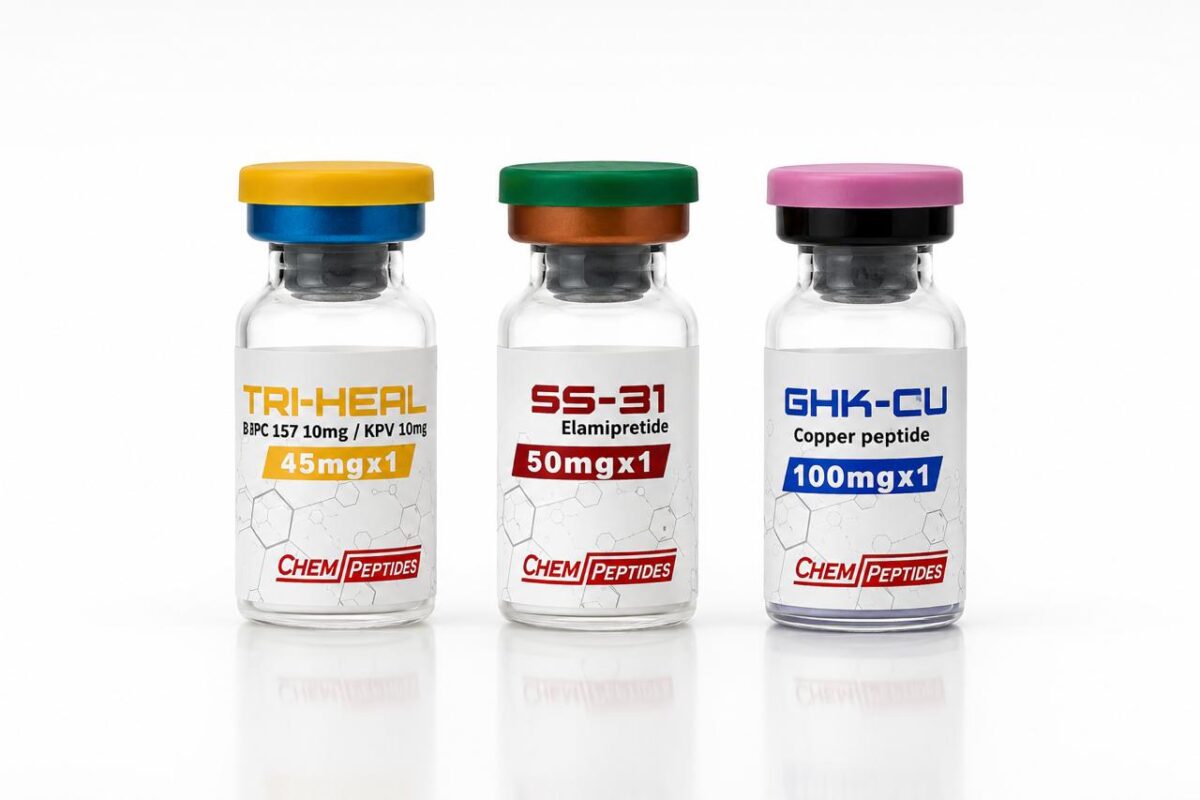
Elke Chempeptides-flacon wordt gelyofiliseerd verzonden voor maximale stabiliteit, op verzoek gekoeld verzonden en klaar voor het reconstitutieprotocol dat bij jouw assay past. Bekijk de catalogus met research-peptiden.
Gerelateerd leesvoer: Peptiden Uitgelegd: De Ultieme Gids
Gerelateerd onderzoek
- 7 Reconstitutiefouten Die Research-Peptiden Degraderen
- Lyofilisatie en Reconstitutie van Research-Peptiden: De Wetenschap van Vriesdrogen en Bacteriostatisch Water
- Bacteriostatisch Water versus Steriel Water: Vergelijking van Oplosmiddelen voor Peptidereconstitutie
- Bewaarprotocollen voor Peptiden: Maximale Houdbaarheid in het Lab
- Hoe GLP-1-Peptiden Werken: Een Begrijpelijke Gids voor Onderzoekers
Research disclaimer▾
Alle informatie op deze pagina is bedoeld voor laboratoriumonderzoek en in-vitro studies. Geen humane consumptie. Geen medische claims. Producten zijn niet goedgekeurd door EMA of FDA voor therapeutisch gebruik.
Research-grade materiaal bij Chempeptides
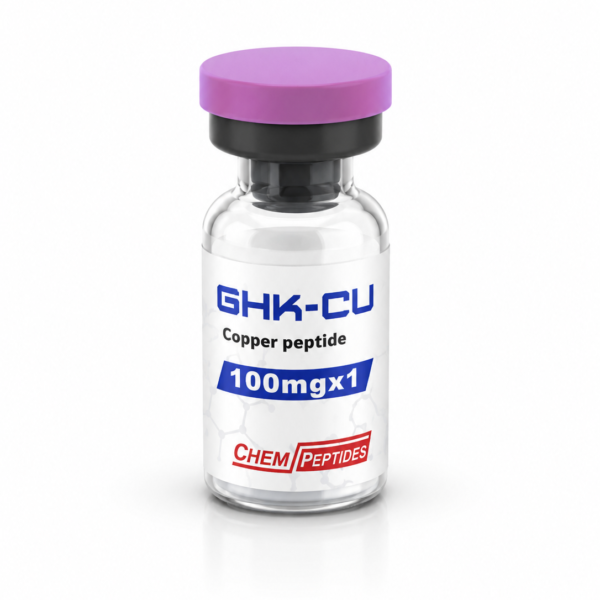
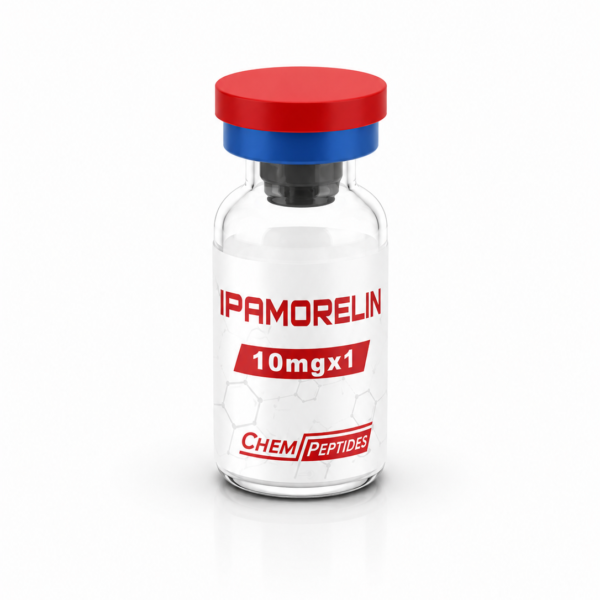
De meest gebruikte research peptiden uit onze catalogus:
Betalen met iDEAL of Wero. Verzending in discrete verpakking vanuit Nederland. Uitsluitend voor laboratorium- en onderzoeksdoeleinden.