De meeste mislukkingen met research-peptiden gebeuren niet in het lab. Ze gebeuren tussen de vriezer van de leverancier en die van jou. Een flacon gelyofiliseerd peptide is een klein pakketje organische chemie dat zich niets aantrekt van marketingclaims, certificaten of zorgvuldig geformuleerde zuiverheidsgaranties zodra het zesendertig uur op een door de zon geblakerde douanekade staat. Transport is de onzichtbare helft van elke bestelling van research-peptiden. Het is waar de duurste degradatieverliezen optreden, en het is het onderwerp dat de meeste leveranciers liever niet bespreken.
Waarom peptiden temperatuurbeheersing nodig hebben tijdens transport
Gelyofiliseerde peptiden, gevriesdroogd tot een stabiel poeder, zijn urenlang, soms dagenlang, robuust bij kamertemperatuur. Ze zijn niet robuust tegen weken van schommelende hitte. De dominante degradatieroutes bij verhoogde temperatuur zijn hydrolyse van peptidebindingen, deamidering van asparagine- en glutamineresiduen, oxidatie van methionine en cysteïne, en racemisatie op chirale centra. Elk van deze reacties volgt de Arrhenius-kinetiek: grofweg verdubbelt een stijging van 10°C de reactiesnelheid. Een pakket dat een week lang bij 35°C staat, ondergaat ongeveer dezelfde degradatie als een correct bewaarde flacon die een jaar lang bij 4°C staat.
Wat dit in de praktijk betekent: een peptide dat de fabrikant verliet met ≥99% zuiverheid kan aankomen op 94%, 90% of erger, volledig afhankelijk van hoe het is verzonden. Het CoA is niet langer het CoA.
De drie transportomstandigheden die ertoe doen
- Aanhoudende temperatuur. Transport bij omgevingstemperatuur door een warme regio zonder isolatie is verreweg het grootste risico. Vrachtruimen in luchtvracht kunnen schommelen van -30°C tijdens de vlucht tot +40°C op een platform.
- Duur van het transport. Twee dagen bij omgevingstemperatuur is te overleven. Twee weken niet. Hoe langer de verblijfstijd, hoe kritischer isolatie en actieve koeling worden.
- Blootstelling aan vocht. Gelyofiliseerd peptide is hygroscopisch. Aangetaste afsluitingen, condensatie in de verpakking en binnendringend vocht versnellen de hydrolyse dramatisch.
Hoe correcte cold-chain verpakking eruitziet
Voor korteafstandszendingen (onder 48 uur) binnen gematigde regio’s volstaat een geïsoleerde doos met faseveranderende gelpacks bij 2-8°C. Voor langere routes of warmere klimaten verschuift de configuratie: vacuümgeïsoleerde paneeldozen, droogijs (CO2-sublimatie bij -78,5°C) en gevalideerde payloadontwerpen worden noodzakelijk. De verpakking zelf is net zo belangrijk als het koelmedium. Een schuimkoeler met drie gelpacks en zonder payloadvalidatie verliest binnen 24 uur de temperatuurbeheersing, ongeacht hoe koud de gelpacks waren bij het inpakken.
Betrouwbare zendingen bevatten ook een datalogger, een klein USB-apparaat dat gedurende het hele transport elke minuut de temperatuur registreert. Wanneer het pakket aankomt, kun je de logger aansluiten en de temperatuurcurve bekijken. Als de lijn binnen het gevalideerde bereik bleef, is het peptide precies wat het CoA zegt dat het is. Zo niet, dan heb je bewijs om de zending te weigeren.
Wat te doen bij aankomst
Op het moment dat een peptidezending aankomt:
- Inspecteer de buitenverpakking op schade, vocht of tekenen van blootstelling aan hitte.
- Controleer het koelmedium: gelpacks horen nog deels bevroren te zijn, droogijs hoort nog aanwezig te zijn (enige sublimatie is normaal).
- Lees de temperatuurlogger uit als die is bijgesloten. Bewaar het bestand.
- Verplaats de flacons naar -20°C (gelyofiliseerd) of volg direct de productspecifieke bewaarinstructies. Elk uur bij kamertemperatuur telt.
Waarom de verantwoordelijkheid van de leverancier niet stopt bij het verzendlabel
Een leverancier die peptiden in een papieren envelop verstuurt en dat “expreslevering” noemt, verzendt een degradatie-experiment, geen onderzoeksverbinding. Een leverancier die zijn logistiek opbouwt rond dezelfde standaard die de WHO hanteert voor cold-chain transport van vaccins, stuurt je wat er daadwerkelijk op het CoA staat. Het prijsverschil tussen die twee benaderingen is reëel. Het verschil in wat er aankomt ook.
De Chempeptides-standaard
Elke bestelling wordt verzonden in gevalideerde geïsoleerde verpakking met gelpacks afgestemd op de bestemming. Langeafstands- en warmklimaatzendingen schakelen automatisch over op droogijsconfiguraties. Tracking is end-to-end. Discrete, neutrale verpakking aan de buitenkant, laboratoriumwaardige integriteit aan de binnenkant. De flacons die ons verlaten met ≥99% zuiverheid komen aan met ≥99% zuiverheid, en we bewaren de data om dat te bewijzen.
Cold-chain is geen extraatje. Het is de enige manier waarop HPLC-zuiverheid de reis overleeft. Bekijk onze verzendstandaarden of blader door de catalogus met research-peptiden.
Gerelateerd leesvoer: HPLC-verificatie: Waarom ≥99% Ertoe Doet
Gerelateerd onderzoek
- Cold-Chain Logistiek voor Research-Peptiden: De Wetenschap van Stabiliteit bij 2-8°C en Waarom Het Ertoe Doet
- Research-Peptiden Kopen in Rotterdam: Cold-Chain naar Zuid-Holland
- Cold-Chain Peptideverzending: Prestaties van Vervoerders in Duitsland, Frankrijk & het VK
- EU-douane & Research-Peptiden: Gids voor Importeurs
- Waarom Nederlandse Onderzoekers Kiezen voor EU-gevestigde Peptideleveranciers
Research disclaimer▾
Alle informatie op deze pagina is bedoeld voor laboratoriumonderzoek en in-vitro studies. Geen humane consumptie. Geen medische claims. Producten zijn niet goedgekeurd door EMA of FDA voor therapeutisch gebruik.
Research-grade materiaal bij Chempeptides
De meest gebruikte research peptiden uit onze catalogus:
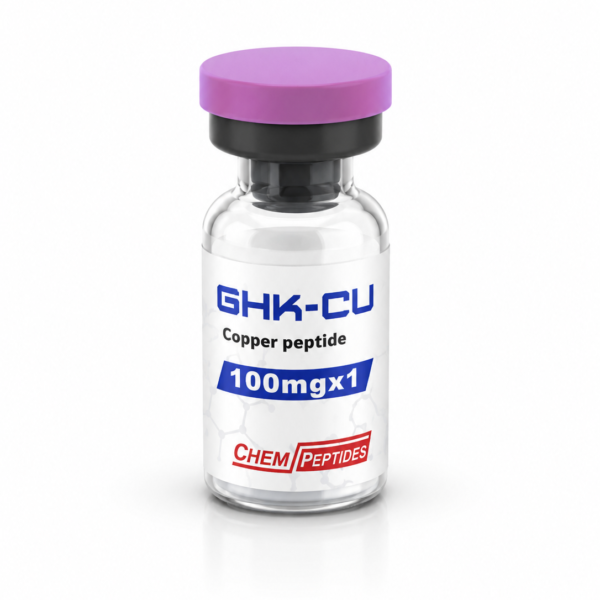
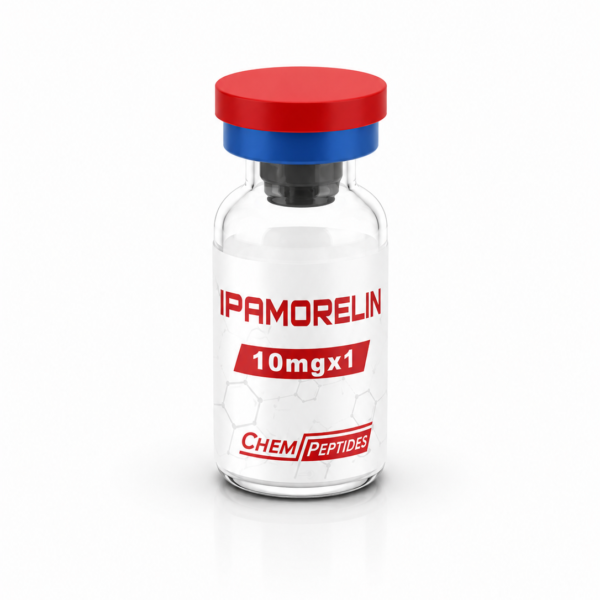
Betalen met iDEAL of Wero. Verzending in discrete verpakking vanuit Nederland. Uitsluitend voor laboratorium- en onderzoeksdoeleinden.