Iedereen die genoeg tijd heeft besteed aan het bestellen van onderzoekspeptiden heeft ooit een flacon geopend en dat kleine, wegzakkende besef gevoeld dat het poeder voor hen zich niet gedraagt als het molecuul op het etiket. Misschien kwam het chromatogram terug met extra pieken. Misschien verschoof de dosis-responsrelatie ten opzichte van de vorige batch. Misschien arriveerde het analysecertificaat als een standaardsjabloon zonder bijgevoegd chromatogram. De prijs van deze momenten is niet alleen een verspild experiment, het is de langzame erosie van vertrouwen in de data achter elke volgende assay. Onderzoekspeptiden goed inkopen is daarom geen inkooptaak. Het is een discipline van kwaliteitscontrole.
Hier is een kader dat leveranciers van onderzoekskwaliteit onderscheidt van al het andere.
De onmisbare eisen bij elke bestelling
- Batch-specifiek analysecertificaat (CoA). Een echt CoA noemt de peptidesequentie, de molecuulformule, de theoretische en waargenomen molecuulmassa (bevestiging via massaspectrometrie), het HPLC-zuiverheidspercentage, de analytische methode, het lotnummer en de datum van analyse. Alles wat ontbreekt maakt van het document een marketingbrochure.
- Het HPLC-chromatogram zelf. Niet alleen het percentage. Het chromatogram is het bewijs. Twee leveranciers kunnen beide “≥99% zuiver” claimen en zichtbaar verschillende chromatogrammen produceren, met sterk verschillende onzuiverheidsprofielen.
- Bevestiging via massaspectrometrie. HPLC-zuiverheid vertelt je hoeveel van de hoofdpiek je hebt gekregen. Massaspectrometrie vertelt je of de hoofdpiek het juiste molecuul is. Beide zijn vereist.
- Consistentie tussen batches. Twee CoAs van hetzelfde product, zes maanden uit elkaar, zouden eruit moeten zien alsof ze dezelfde verbinding beschrijven. Sterk verschillende onzuiverheidsprofielen tussen batches zijn een waarschuwingssignaal voor synthese of inkoop.
De vragen die leveranciers onderscheiden
Drie vragen onthullen meer over een leverancier dan welke productpagina dan ook ooit zal doen.
“Waar wordt dit peptide gesynthetiseerd?” Een leverancier met eigen of gecontracteerde synthese die hij kan benoemen, heeft verantwoording af te leggen. Een leverancier die bulk koopt uit niet-gepubliceerde bronnen en herverpakt, heeft dat niet. Het eerlijke antwoord op deze vraag is op zichzelf al diagnostisch.
“Hoe wordt het peptide naar mij verzonden, en welk koelketenprotocol gebruikt u?” Het juiste antwoord noemt gevalideerde verpakking, koelelementen of droogijs afgestemd op de route, temperatuurregistratie waar van toepassing, en een beleid voor de conditie bij aankomst als het pakket aangetast is. Het verkeerde antwoord is “expreslevering”.
“Als deze batch mijn kwaliteitscontrole niet doorstaat, wat is dan uw vervangingsbeleid?” Een leverancier die vertrouwen heeft in zijn analytische werk zal materiaal vervangen dat legitieme analytische tests niet doorstaat. Een leverancier die elke klacht als een klantenserviceprobleem behandelt, vertelt je dat hij verwacht dat er dingen misgaan.
Hoe variatie tussen batches er werkelijk uitziet
Peptidesynthese is reproduceerbaar maar niet identiek tussen batches. Zelfs een goed gecontroleerde syntheselijn produceert kleine verschillen in het onzuiverheidsprofiel van batch tot batch: iets andere verhoudingen van deletiesequenties, marginale verschillen in oxidatie, kleine variaties in het gehalte aan tegenionen. De verschillen zijn klein maar reëel, en een onderzoekslaboratorium dat een studie van meerdere maanden uitvoert, moet zich daarvan bewust zijn.
Wat niet acceptabel is, zijn grote verschuivingen: een eerder schoon chromatogram dat plotseling grote secundaire pieken vertoont, een waargenomen molecuulmassa die buiten de instrumenttolerantie afdrijft, zuiverheidsgetallen die over een breed bereik schommelen. Dit zijn tekenen dat de kwaliteitscontrole van de synthese ongelijkmatig is, niet dat het molecuul inherent variabel is.
Opslag- en verzendcondities die de reis overleven
Een CoA weerspiegelt de toestand van het peptide bij de fabrikant. Opslag- en verzendcondities bepalen of dat CoA nog van toepassing is wanneer de flacon je werkbank bereikt. Gelyofiliseerd peptide is robuust bij gematigde temperaturen gedurende korte periodes, maar twee weken in een heet douanemagazijn is voldoende om gevoelige sequenties aan te tasten, ongeacht de oorspronkelijke zuiverheid.
Koelketentransport is geen luxefunctie. Het is de enige manier waarop een zuiverheidscertificaat van ≥99% dezelfde betekenis heeft aan jouw werkbank als in het analytisch laboratorium. Leveranciers die hun logistiek rond deze standaard bouwen, beschermen de data die jij met hun materiaal genereert. Leveranciers die dat niet doen, verschuiven het risico stilzwijgend naar jou.
De compliance-dimensie
Onderzoekspeptiden nemen een gedefinieerde positie in binnen regelgevende kaders: onderzoekschemicaliën die worden geleverd voor in-vitro- en analytisch gebruik, niet voor menselijke consumptie, diergeneeskundig gebruik of therapeutische toepassing. Een serieuze leverancier weerspiegelt deze positie consistent, op elke productpagina, in elk CoA, in de verzenddocumentatie, en in naleving van de toepasselijke douane- en chemicaliënvoorschriften in zowel het land van herkomst als het land van bestemming.
Een leverancier die onderzoekspeptiden op de markt brengt met doseringsaanbevelingen voor menselijk gebruik, of die verzendt zonder correcte douaneaangiften, creëert problemen die stroomafwaartse onderzoekers erven. De compliance-houding van de leverancier wordt de compliance-houding van de koper.
De realiteit van prijzen, wat goedkoop werkelijk betekent
Onderzoekspeptiden die aanzienlijk onder de marktprijs worden aangeboden, zijn vrijwel altijd om een reden goedkoper. De manieren om kosten te besparen zijn beperkt: lagere zuiverheid, minder rigoureuze kwaliteitscontrole, geen analytische documentatie, bulkherverpakking uit ongeïdentificeerde bronnen, geen koelketenverzending. Elk hiervan maakt de prijs per flacon lager. Elk ervan maakt de kosten per experiment hoger, omdat de data die het peptide oplevert minder waard is.
Het omgekeerde geldt ook: een premie betalen garandeert op zichzelf geen kwaliteit. Merk, logo, marketingbudget en gladde productpagina’s zijn geen analytische chemie. De juiste aanpak is leveranciers te beoordelen op basis van de analytische documentatie die ze produceren, niet op basis van hoe hun website eruitziet.
Een korte evaluatiechecklist
- Batch-specifiek CoA beschikbaar bij elke aankoop, inclusief HPLC-chromatogram en massaspectrometriegegevens.
- Opgegeven zuiverheid ≥99% met vermelding van de analytische methode.
- Koelketenverzending met passende verpakking voor de route.
- Duidelijke positie over het kader van uitsluitend onderzoeksgebruik in alle productcommunicatie.
- Responsief technisch contact dat mechanistische en analytische vragen kan beantwoorden.
- Vervangings- of terugbetalingsbeleid voor batches die de kwaliteitscontrole aan koperszijde tegen het CoA niet doorstaan.
- Redelijke consistentie tussen batches die standhoudt over meerdere bestellingen.
De Chempeptides-standaard
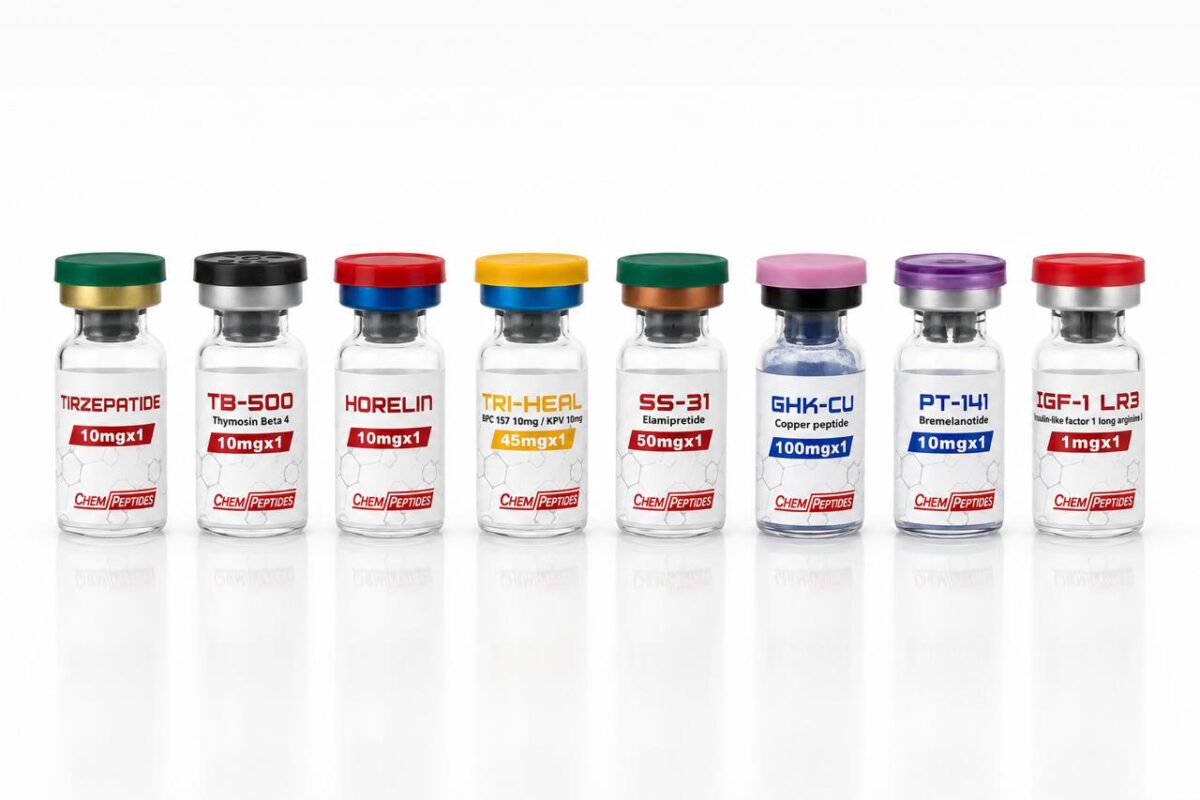
Elk peptide dat wij verzenden is batch-specifiek HPLC-geverifieerd op ≥99% zuiverheid, waarbij het chromatogram en de bevestiging via massaspectrometrie met de flacon meereizen. Koelketenverzending is standaard, geen upgrade. Wereldwijde gevolgde levering. Discrete, neutrale verpakking aan de buitenkant, analytische integriteit van onderzoekskwaliteit aan de binnenkant. Het bovenstaande kader is het kader waaraan wij onszelf houden.
Koop onderzoekspeptiden op basis van de documentatie, niet het prijskaartje. Bekijk de catalogus met onderzoekspeptiden of lees hoe gekoeld verzenden werkt.
Gerelateerd om te lezen: HPLC Verification: Why ≥99% Matters
Gerelateerd onderzoek
- REACH and CLP Compliance for Research Peptides: The EU Chemical Registration Framework Explained
- Chempeptides vs Pure Lab Peptides: Catalogue & Quality Comparison
- EU Customs & Research Peptides: Importer’s Guide
- 7 Reconstitution Mistakes That Degrade Research Peptides
- Lyophilized vs Liquid Peptides: A Researcher’s Reconstitution Guide
Research disclaimer▾
Alle informatie op deze pagina is bedoeld voor laboratoriumonderzoek en in-vitro studies. Geen humane consumptie. Geen medische claims. Producten zijn niet goedgekeurd door EMA of FDA voor therapeutisch gebruik.
Research-grade materiaal bij Chempeptides
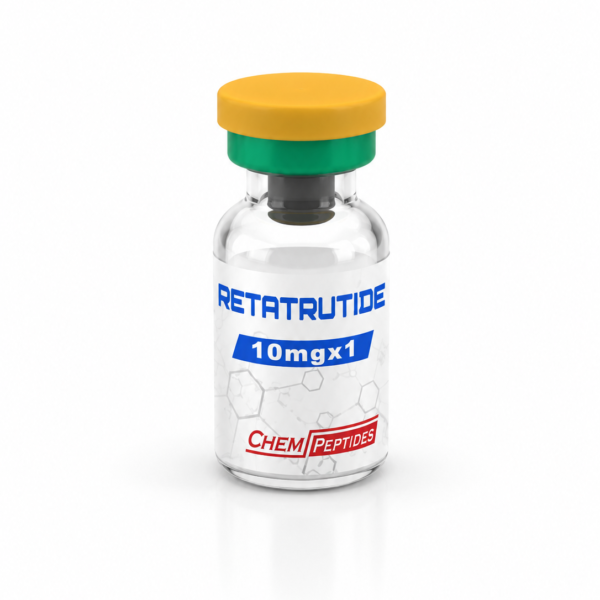
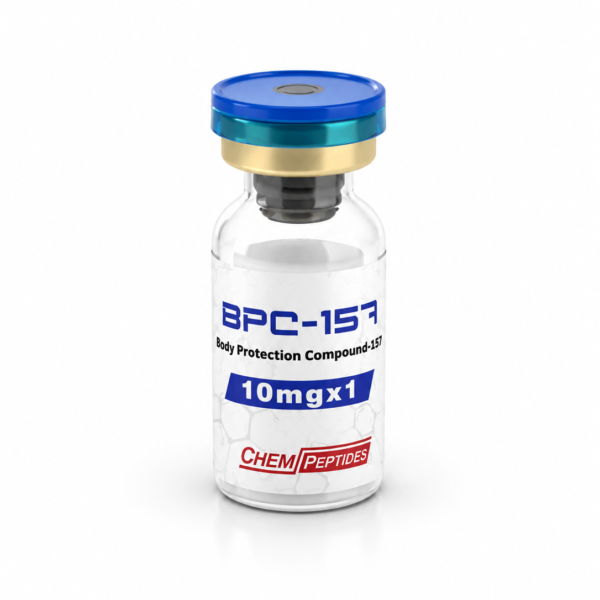
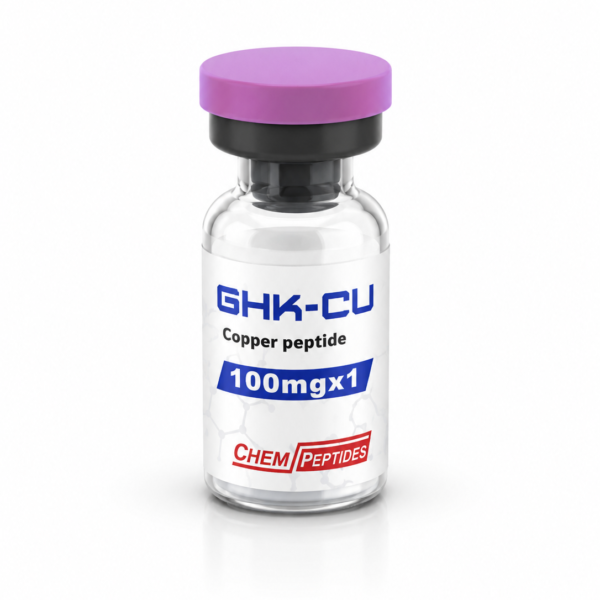
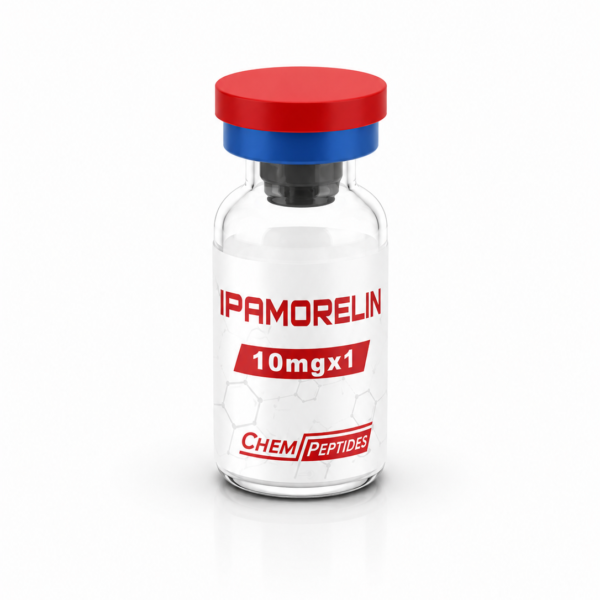
De meest gebruikte research peptiden uit onze catalogus:
Betalen met iDEAL of Wero. Verzending in discrete verpakking vanuit Nederland. Uitsluitend voor laboratorium- en onderzoeksdoeleinden.