Analytische Standaarden in Peptide-Onderzoek: Wat een Onderzoeksleverancier Onderscheidt van een Wederverkoper
De markt voor peptide-levering splitst zich in twee kampen. Aan de ene kant: laboratoria en op methodeontwikkeling gerichte chemici die traceerbare, gekarakteriseerde verbindingen nodig hebben voor receptor-assays en massaspectrometrie-kalibratie. Aan de andere kant: wederverkopers die bulkmateriaal herverpakken zonder analytische chain of custody. Het verschil is onzichtbaar op een productpagina, maar het is de gehele kern van een onderzoeksleverketen. Zo ziet serieuze analytische praktijk eruit.
De Synthesestap Die de Meeste Mensen Overslaan
Moderne peptidesynthese wordt gedomineerd door vastefase-peptidesynthese (SPPS), de techniek die in de jaren 1960 werd ontwikkeld en waarvoor in 1984 de Nobelprijs werd toegekend. De peptideketen wordt aminozuur voor aminozuur opgebouwd op een harsdrager, met Fmoc-bescherming (9-fluorenylmethoxycarbonyl) op de amine van elk toegevoegd residu. Elke koppelingscyclus voegt één residu toe; elke ontschermingsstap legt de volgende α-amine bloot voor de volgende koppeling.
De synthese van een peptide met 15 residuen zoals BPC-157 vereist 15 koppelingscycli. Zelfs bij 99% efficiëntie per cyclus is de theoretische opbrengst van volledig-lengte product 0.9915 = 86%. De resterende 14% is een mengsel van deletiesequenties (peptiden die één of meer residuen missen) en afgebroken ketens. Dit is de onzuiverheid die HPLC-zuivering moet verwijderen vóór vrijgave.
Waarom Ruw Peptide Geen Onderzoekspeptide Is
Ruw SPPS-product is doorgaans 60 tot 80% zuiver. Afsplitsing van de hars met een TFA-cocktail maakt het peptide vrij maar verwijdert ook beschermgroepen, waardoor een mengsel ontstaat van het volledig-lengte doelproduct plus bijproducten. Een onderzoeks-grade verbinding is wat aan de andere kant van preparatieve HPLC vrijkomt, waar de doelpiek wordt verzameld, gelyofiliseerd en opnieuw geanalyseerd.
De vrijgavecriteria voor een onderzoeksverbinding:
- HPLC-zuiverheid ≥ 99%, bevestigd op analytische UHPLC na lyofilisatie
- Massabevestiging, ESI-MS of MALDI-TOF binnen 0.5 Da van theoretisch
- Netto peptidegehalte, gemeten via aminozuuranalyse of UV-kwantificering, gerapporteerd op COA
- Visuele inspectie, uniform wit gelyofiliseerd poeder, geen verkleuring
- Oplosbaarheidsverificatie, bevestigd in het standaard reconstitutieoplosmiddel
Materiaal dat op één van deze punten faalt wordt gerecycled of vernietigd. Het wordt geen afgeprijsd product op een aparte website.
Documentatiepraktijken Die Onderzoekers Werkelijk Nodig Hebben
Een laboratoriumchemicus die zich voorbereidt om een peptide te gebruiken in een gepubliceerd experiment zal het volgende opvragen:
- Certificate of Analysis (COA): batchspecifiek, ondertekend, met HPLC-chromatogram en MS-spectrum indien beschikbaar
- Safety Data Sheet (SDS): synthese-gerelateerde gevaren (residueel TFA, potentiële peptide-allergie voor hanteerders)
- Bewaarinstructies: temperatuur, blootstelling aan licht, hygroscopische overwegingen
- Reconstitutierichtlijn: aanbevolen oplosmiddel en concentratie voor stockbereiding
Deze documentatie is wat wordt geciteerd in de methodesectie van een manuscript. “Peptide werd verkregen van [leverancier], lot [batchnummer], HPLC-zuiverheid >99% op oppervlakte bij 214 nm, identiteit bevestigd door ESI-MS (berekend [Da], waargenomen [Da]).” Reviewers verwachten deze formulering. Een peptide zonder documentatie is een peptide dat niet kan worden opgenomen in publiceerbaar onderzoek.
De In-Vitro Studies Die de Moderne Peptidewetenschap Definiëren
Echt peptide-onderzoek in 2026 rust op een fundament van celgebaseerde en biochemische studies. Een representatieve doorsnede van de huidige literatuur:
- GLP-1-agonist farmacologie: Knerr et al. (Cell Metabolism, 2024) karakteriseerden nieuwe triple-agonisten in cAMP- en β-arrestine-rekruteringsassays met HEK293-cellen, voordat enige verbinding doorging naar in-vivo werk.
- Antimicrobiële peptiden: onderzoekers aan UBC hebben uitgebreid gepubliceerd over cathelicidine-afgeleide peptiden met MIC-assays in 96-wells platen tegen bacteriële culturen (Nature Reviews Drug Discovery, 2020, 19:311-332).
- Antikanker peptiden: in-vitro screening in NCI-60 cellijn-panels gebruikt synthetische peptiden bij micromolaire concentraties om groeiremming te meten. Geen van dit werk vereist dierproeven om de lead-vindende data te genereren.
- Structurele biologie van receptoren: cryo-EM-structuren van klasse B GPCR’s gebonden aan peptideliganden (Zhang et al., Nature, 2017, 546:248-253) gebruikten onderzoeks-grade peptide als bindingspartner voor het receptor-Gs-complex.
Elk van deze publicaties is afhankelijk van uitgangsmateriaal dat analytisch is gekarakteriseerd. Dat is de leverketen die een onderzoeks-grade leverancier bestaat om te ondersteunen.
Waar Chempeptides Voor Staat
Elke verbinding die door Chempeptides wordt vrijgegeven doorloopt:
- SPPS-synthese onder gecontroleerde omstandigheden
- Preparatieve HPLC-zuivering
- Analytische HPLC-vrijgave bij ≥ 99% oppervlaktezuiverheid
- Massaspectrometrie-identiteitsbevestiging
- Lyofilisatie in inerte atmosfeer
- COA-generatie en batchtraceerbaarheid
Dit is geen farmaceutische productie, het is onderzoeksleverings-werk, uitgevoerd volgens de analytische standaarden die gepubliceerde peptidewetenschap vereist. De verbindingen ondersteunen in-vitro farmacologie, receptorbindingsstudies, methodeontwikkeling voor massaspectrometrie, en de bredere peptide-onderzoeksliteratuur. Het zijn geen producten voor menselijk of dierlijk gebruik, en ze anders labelen zou de integriteit van de gehele leveringscategorie compromitteren.
Dat onderscheid is wat een onderzoeksleverancier onderscheidt van een wederverkoper. Het is ook wat een Certificate of Analysis meer waard maakt dan een marketingclaim.
Uitsluitend voor laboratorium- en analytisch onderzoek. Niet voor menselijke consumptie, dierlijke consumptie of therapeutisch gebruik. Certificates of Analysis per batch op aanvraag beschikbaar.
Gerelateerd onderzoek
- HPLC Zuiverheid van 99 Procent: Waarom Het Verschil Maakt Bij Onderzoek-Grade Peptides
- Wegovy Bijwerkingen: De Complete Gids op Basis van Klinisch Onderzoek 2026
- Receptor Binding Assays: How Peptide Pharmacology Is Studied in Cell Culture
- HPLC Purity ≥99% in Research Peptides: How High-Performance Liquid Chromatography Verifies Compound Integrity
- Certificate of Analysis (CoA) for Research Peptides: What Every Laboratory Should Verify
Research disclaimer▾
Alle informatie op deze pagina is bedoeld voor laboratoriumonderzoek en in-vitro studies. Geen humane consumptie. Geen medische claims. Producten zijn niet goedgekeurd door EMA of FDA voor therapeutisch gebruik.
Research-grade materiaal bij Chempeptides
De meest gebruikte research peptiden uit onze catalogus:
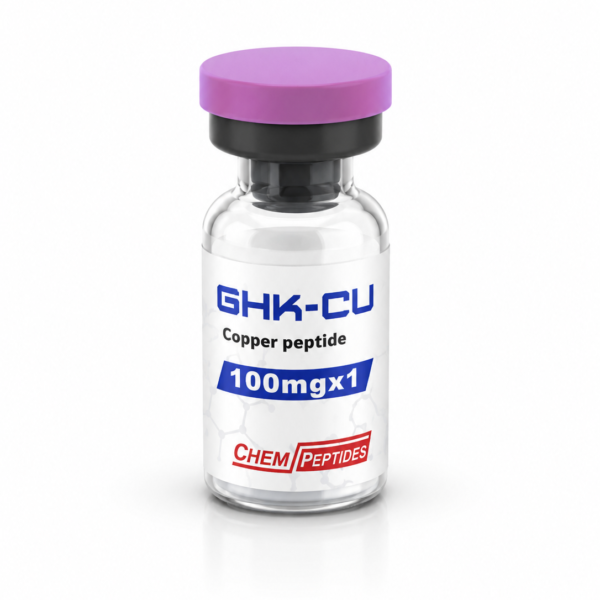
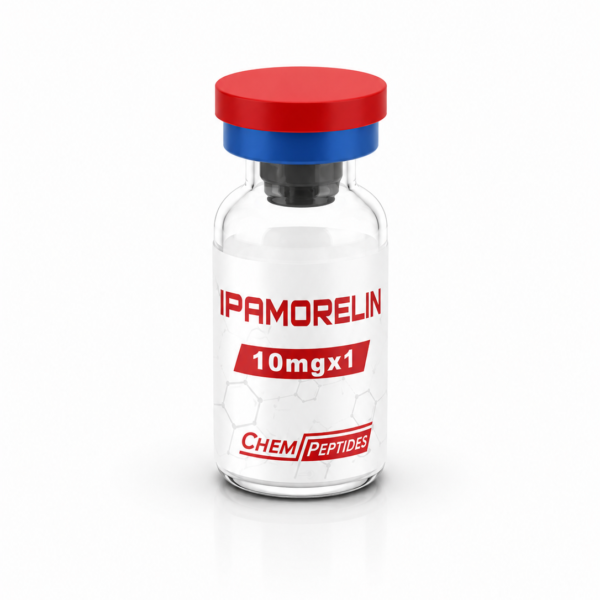
Betalen met iDEAL of Wero. Verzending in discrete verpakking vanuit Nederland. Uitsluitend voor laboratorium- en onderzoeksdoeleinden.