Bitcoin is op dit moment de meest privacy-vriendelijke betaalmethode voor research-grade peptiden in Europa. Geen bankafschrift-spoor, geen koppeling tussen je persoonlijke bankrekening en de aankoop, en geen vereiste van ID-verificatie aan de chempeptides kant. Dit artikel legt uit hoe Bitcoin betaling bij chempeptides werkt, waarom onderzoekers er steeds vaker voor kiezen, en wat de praktische trade-offs zijn ten opzichte van iDEAL of creditcard.
Waarom Bitcoin voor research peptiden
Drie redenen dat onderzoekers Bitcoin verkiezen boven traditionele betaalmethoden bij peptide-aankopen:
- Geen bankafschrift-spoor: de transactie loopt via de blockchain, niet via je bank. Je bankafschrift toont geen aankoop van “Chempeptides” of welke vermelding dan ook.
- Geen privacy-uitwisseling met derden: je hoeft geen banknaam, BSN, of ID te delen met een betaalprovider. Alleen je wallet-adres.
- Internationale toegankelijkheid: Bitcoin werkt voor klanten in alle 27 EU-landen plus daarbuiten, zonder valutaconversie kosten.
Hoe Bitcoin betaling bij chempeptides werkt
Het werkproces is direct en lijkt op elke andere betaalmethode:
- Bij checkout: kies “Bitcoin” als betaalmethode
- Klick verder: chempeptides genereert een uniek Bitcoin wallet-adres voor jouw bestelling
- QR-code en wallet: scan QR-code met je crypto wallet of kopieer het wallet-adres
- Stuur Bitcoin: betaal het exacte bedrag (in BTC) vanuit je wallet
- Blockchain bevestiging: de transactie wordt binnen 10 tot 30 minuten bevestigd op de blockchain
- Order verstuurd: chempeptides ontvangt automatisch de bevestiging, order gaat naar verzending
Geen handmatige stappen, geen wachten op klantenservice. De hele flow is geautomatiseerd via een crypto payment gateway.
Welke crypto worden geaccepteerd
Naast Bitcoin (BTC) accepteert chempeptides ook:
- Ethereum (ETH): snellere bevestiging (binnen 1-2 minuten), iets lagere transaction fees voor kleine bedragen
- Litecoin (LTC): goedkoper voor kleinere orders, snel
- USDC of USDT (stablecoins): geen prijsschommeling tussen orderplaatsing en betaling
Voor de meeste klanten is Bitcoin de standaard keuze door de bredere acceptatie en bekendheid. Stablecoins (USDC/USDT) zijn handig voor klanten die geen Bitcoin koersbeweging willen tussen betaling en bestelling.
Privacy-profiel: wat zichtbaar is en wat niet
| Aspect | Bitcoin betaling | iDEAL/creditcard |
|---|---|---|
| Bankafschrift | Geen vermelding | “Chempeptides” zichtbaar |
| Belastingdienst-zichtbaarheid | Alleen via crypto belastingaangifte | Volledig zichtbaar via bankafschrift |
| Wallet anonimiteit | Pseudoniem (wallet-adres, geen naam) | Volledig persoonlijk |
| Refund proces | Manueel via support (binnen 7 dagen) | Geautomatiseerd via gateway |
| Transactiekosten | 1-3 euro miner fee | Inclusief in productprijs |
Wat is Bitcoin NIET
Belangrijke misverstanden over Bitcoin betaling:
- Niet 100% anoniem: Bitcoin is PSEUDONIEM. De blockchain is publiek. Met genoeg moeite kan je wallet-adres in theorie gekoppeld worden aan je identiteit (bijvoorbeeld via een gereguleerde exchange waar je BTC kocht).
- Niet voor witwasdoeleinden: chempeptides accepteert Bitcoin als gewone betaalmethode, niet voor verbergen van illegale activiteit. Alle transacties worden netjes geboekt voor belastingdoeleinden.
- Niet sneller dan iDEAL: Bitcoin bevestigingstijd is 10-30 minuten. iDEAL is 30 seconden. Voor snelheid is iDEAL beter. Voor privacy is Bitcoin beter.
Hoe Bitcoin kopen voor peptide-aankopen
Als je geen Bitcoin hebt, kan je het kopen via:
- Europese exchanges: Bitvavo, Bitonic, Anycoin (Nederlands gereguleerd, KYC vereist)
- Crypto ATMs: in Amsterdam, Rotterdam, Den Haag, Utrecht (anonieme cash-naar-crypto, hogere fees)
- P2P platformen: LocalBitcoins of Hodl Hodl (peer-to-peer, hoogste privacy)
Voor klanten die maximale privacy zoeken: koop Bitcoin via P2P of crypto ATM, transfer naar privé wallet (niet exchange), betaal vanaf privé wallet. Dat ontkoppelt je identiteit volledig van de betaling.
Wettelijkheid in Nederland en EU
Bitcoin betaling voor research peptiden is volledig wettig in Nederland en EU. De Markets in Crypto-Assets (MiCA) regelgeving van 2024 reguleert crypto-exchanges, niet end-user crypto transacties voor product-aankopen.
De peptiden zelf zijn legaal voor onderzoeksdoeleinden (research use only). De betaalmethode (Bitcoin, fiat, etc.) heeft geen invloed op die legaliteit.
Praktische tip: wallet keuze
Voor peptide-aankopen via Bitcoin met maximale privacy:
- Niet aanbevolen: directe betaling vanaf exchange wallet (Bitvavo, Coinbase) – exchange koppelt je identiteit aan elke transactie
- Aanbevolen: hardware wallet (Ledger, Trezor) of mobile wallet (Muun, BlueWallet) – jij beheert je private keys, exchange ziet alleen de eerste transactie
- Maximum privacy: wallet met coin mixing functionaliteit (Wasabi Wallet) – voor onderzoekers die transactie-graph analyse willen vermijden
Onderzoeksconclusie
Bitcoin betaling bij chempeptides biedt het hoogste privacy-niveau van de vijf beschikbare betaalmethoden: geen bankafschrift-spoor, geen koppeling tussen persoonlijke identiteit en transactie, internationale toegankelijkheid. Trade-offs: 10-30 minuten bevestigingstijd (versus 30 seconden voor iDEAL), 1-3 euro miner fee, en handmatig refund-proces. Voor onderzoekers die maximale discretie zoeken in research peptide aankopen: Bitcoin is de optimale keuze. Voor snelle zakelijke transacties met laagste fricitie: iDEAL of Wero.
Dit artikel is uitsluitend bedoeld voor onderzoeks- en educatiedoeleinden. Producten op chempeptides.com zijn voor onderzoeksdoeleinden en niet voor menselijk gebruik bedoeld. Raadpleeg een arts voor persoonlijk medisch advies.
Gerelateerd onderzoek
- Veilig peptiden kopen met Bitcoin: 7-stappen gids voor beginners
- Crypto of creditcard? Beslissingsboom voor research peptiden in 2026
- Anoniem Peptiden Bestellen in 2026: Privacy Gids voor Onderzoekers
- iDEAL, Wero, Creditcard, PayPal, Bitcoin: Welke Betaalmethode Past Bij Jou
- Discreet betalen met creditcard: wat verschijnt op je afschrift
Research disclaimer▾
Alle informatie op deze pagina is bedoeld voor laboratoriumonderzoek en in-vitro studies. Geen humane consumptie. Geen medische claims. Producten zijn niet goedgekeurd door EMA of FDA voor therapeutisch gebruik.
Research-grade materiaal bij Chempeptides
De meest gebruikte research peptiden uit onze catalogus:
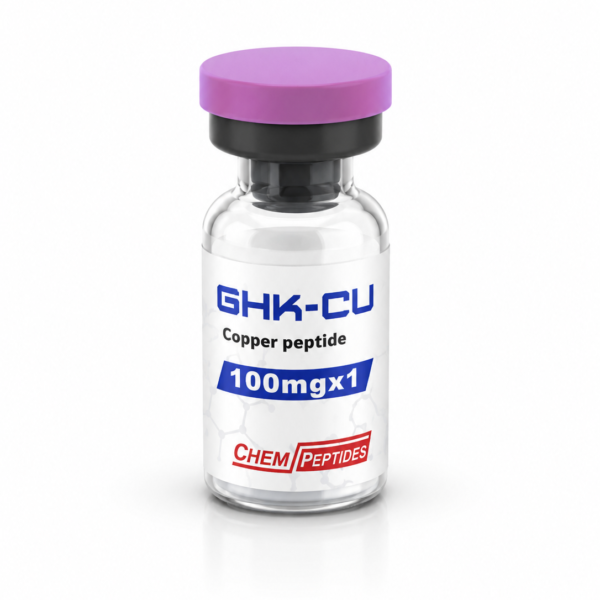
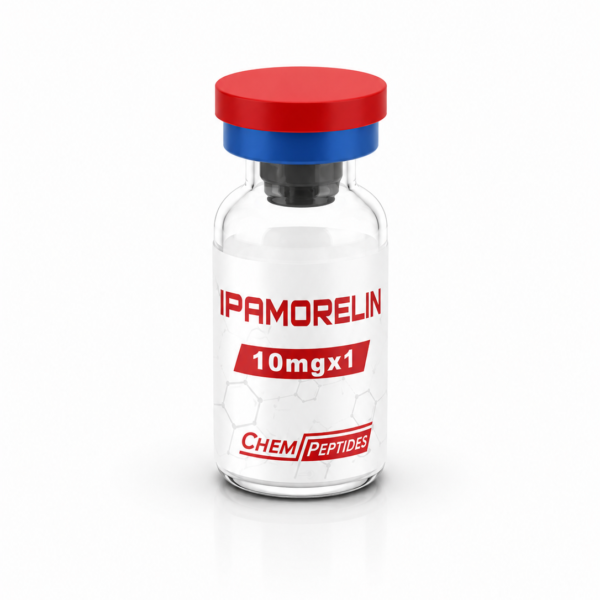
Betalen met iDEAL of Wero. Verzending in discrete verpakking vanuit Nederland. Uitsluitend voor laboratorium- en onderzoeksdoeleinden.