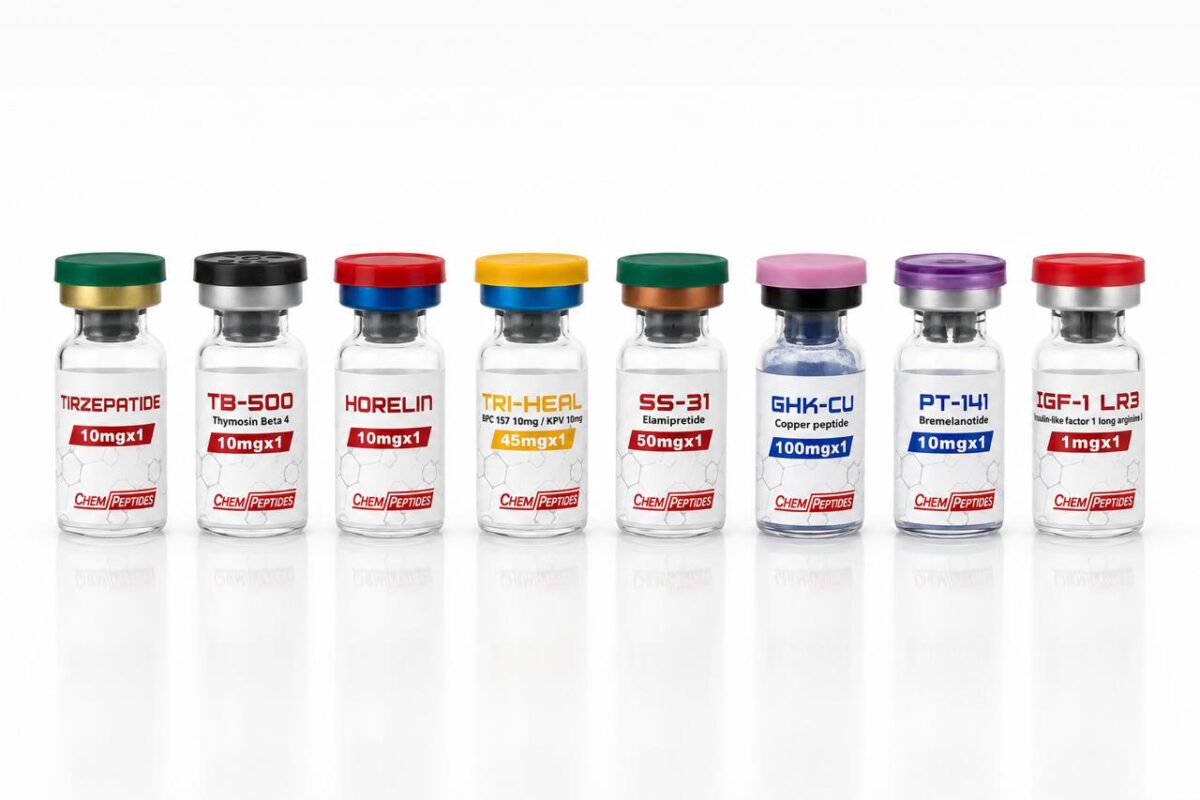
Als je de catalogus van Chempeptides hebt bekeken, heb je op elke productpagina de regel gezien: For research-use only. Not for human consumption. Not a medicine. Not for diagnostic use. Dat is geen standaardtekst. Het is de juridische en operationele ruggengraat van hoe elke research-peptide op deze site wordt geproduceerd, geclassificeerd, verkocht, verzonden en gebruikt.
Dit artikel bestaat omdat onderzoekers, inkopers en labmanagers van universiteiten geregeld drie vragen stellen: wat betekent Research Use Only (RUO) precies, wat staat laboratoriumgebruik daadwerkelijk toe, en hoe zorgt Chempeptides voor blijvende naleving van die classificatie. Hieronder volgt het lange antwoord: geschreven voor mensen die hun inkoopkeuzes moeten verantwoorden tegenover ethische commissies, compliance officers en audittrails.
Wat “Research Use Only” daadwerkelijk betekent
Research Use Only (RUO) is een regelgevingsclassificatie die wereldwijd wordt gebruikt voor chemische en biologische materialen die worden geleverd voor niet-klinisch, in-vitro onderzoek. Binnen de Europese Unie vallen RUO-producten buiten het bereik van de Medicinal Products Directive (2001/83/EC) en de In Vitro Diagnostic Regulation (EU) 2017/746. Het zijn geen geneesmiddelen. Het zijn geen diagnostische hulpmiddelen. Het zijn research-grade materialen die worden verkocht aan gekwalificeerde laboratoria voor één doel: het mogelijk maken van wetenschappelijk onderzoek.
De classificatie betekent in de praktijk drie dingen:
- Niet voor toediening aan mensen. De verbinding is niet gecertificeerd voor in-vivo gebruik bij mensen door enige regelgevende autoriteit: EMA, FDA, MHRA of nationale equivalenten.
- Niet voor veterinair gebruik. De verbinding is niet toegelaten voor de behandeling van dieren onder EU-Verordening 2019/6.
- Niet voor diagnostisch gebruik. De verbinding is niet gevalideerd voor klinische besluitvorming over individuele patiënten.
De RUO-classificatie zegt niet dat een verbinding onveilig of ongetest is: veel RUO-peptiden zijn uitgebreid bestudeerd in peer-reviewed literatuur. Ze zegt dat de verbinding niet het aanvullende regelgevingstraject heeft doorlopen dat vereist is om verkocht te worden als geneesmiddel, supplement, voedingsmiddel, cosmeticum of diagnosticum. Dat traject kost meer dan €100M en duurt tien jaar. Research-peptiden bestaan niet binnen dat kader: ze bestaan om het onderzoek mogelijk te maken dat eraan voorafgaat (of het vervangt).
Laboratoriumgebruik: wat dit toestaat
“Laboratoriumgebruik” betekent dat het materiaal bedoeld is voor gebruik binnen een gecontroleerde laboratoriumomgeving door getrainde onderzoekers. Toegestane activiteiten onder deze aanduiding omvatten doorgaans:
- In-vitro assays (celkweek, biochemische pathway-analyse, receptorbindingsstudies)
- Ontwikkeling van analytische methoden (HPLC-standaarden, referentieverbindingen voor massaspectrometrie)
- Vergelijkend verbindingsonderzoek (zuiverheidsprofilering, structurele verificatie)
- Educatief gebruik in geaccrediteerde onderzoeksinstellingen
- Referentiemateriaal voor validatie van laboratoriumprotocollen
Wat NIET is toegestaan onder de RUO-classificatie: inname door mensen, injectie, inhalatie, topische toepassing op mensen, veterinaire toepassing, of levering aan consumenten als wellness- of therapeutisch product. De grens is hard, de grens is juridisch, en de grens is wereldwijd.
Het EU-regelgevingskader
Binnen de Europese Unie worden research-peptiden geregeld door een combinatie van:
- REACH Regulation (EC) 1907/2006: registratie, evaluatie en autorisatie van chemische stoffen
- CLP Regulation (EC) 1272/2008: classificatie, etikettering en verpakking van stoffen
- Medicinal Products Directive (2001/83/EC): definieert wat wel en niet een geneesmiddel is (RUO-peptiden zijn expliciet uitgesloten)
- Cosmetic Products Regulation (EC) 1223/2009: definieert wat wel en niet een cosmeticum is (RUO-peptiden zijn uitgesloten)
Dit kader stelt research-grade materialen in staat om legaal te bewegen tussen gekwalificeerde partijen: chemische leveranciers, contractonderzoeksorganisaties, academische instellingen en biotech-laboratoria, zonder de veel strengere keten voor geneesmiddelen binnen te gaan. De afweging: de verbinding mag alleen worden gebruikt voor het doel waarvoor ze is geclassificeerd. Overstappen naar gebruik bij mensen maakt de classificatie ongeldig, stelt de gebruiker bloot aan juridische stappen, en (belangrijker nog) introduceert ongecontroleerde variabelen in wat een research-only context was.
Wie research-peptiden legitiem mag gebruiken
Het eerlijke antwoord: gekwalificeerde onderzoekers die werken binnen een laboratoriumomgeving, aan gedocumenteerde onderzoeksprotocollen, met passend institutioneel toezicht. Daaronder vallen:
- Academische onderzoekers (universitaire afdelingen scheikunde, biologie, farmacologie)
- Contractonderzoeksorganisaties (CROs) die preklinische studies uitvoeren
- Biotechnologiebedrijven die analytische methoden of vergelijkende verbindingsbibliotheken ontwikkelen
- Referentielaboratoria die interne assays valideren tegen bekende standaarden
- Onderwijsinstellingen die geaccrediteerde laboratoriumcursussen verzorgen
Wanneer onderzoekers een bestelling plaatsen bij Chempeptides, bevestigen zij, door de aankoop te voltooien, hun status als gekwalificeerde onderzoekers, hun begrip van de RUO-classificatie, en hun toewijding om het materiaal uitsluitend te gebruiken binnen compliant onderzoekscontexten. Die bevestiging is bindend en wordt vastgelegd op het punt van verkoop.
Hoe Chempeptides compliant blijft
Het behouden van de RUO-classificatie is geen juridische dekmantel van één regel. Het vereist operationele discipline over de hele toeleveringsketen. Bij Chempeptides betekent dat:
- Productiepartners zijn GMP-grade faciliteiten voor chemische synthese die materialen met research-classificatie produceren, geen farmaceutische fabrikanten die geneesmiddelen-grade product omleiden.
- Elke batch wordt onafhankelijk geverifieerd op ≥99% HPLC-zuiverheid, met bevestiging via massaspectrometrie en Karl Fischer-titratie voor het vochtgehalte. CoA beschikbaar op aanvraag.
- Verpakking en etikettering dragen de RUO-classificatie op elke vial en doos. De productdocumentatie, website en facturatie dragen consistente RUO-taal.
- Cold-chain logistiek behoudt de integriteit van de verbinding van laboratorium tot laboratorium: peptidedegradatie bij kamertemperatuur is een van de grootste bedreigingen voor de reproduceerbaarheid van onderzoek.
- Geen medische claims, geen doseringsaanbevelingen, geen therapeutische positionering waar dan ook in onze communicatie. Alleen specificaties van verbindingen, onderzoekscontext en regelgevingskader.
Wat dit betekent voor jouw onderzoek
Als je een gekwalificeerde onderzoeker bent die peptiden inkoopt voor laboratoriumwerk, is de RUO-classificatie geen belemmering: het is het kader dat legale inkoop überhaupt mogelijk maakt. Zonder dit zou elke research-peptide de volledige farmaceutische autorisatie moeten doorlopen, wat elke academische studie onbetaalbaar zou maken en vroeg-stadium verbindingsonderzoek tot stilstand zou brengen.
Als je geen gekwalificeerde onderzoeker bent en je zoekt peptiden voor persoonlijk gebruik, dan is deze site niet voor jou. Wij verkopen niet aan consumenten. Wij geven geen doseringsadvies. Wij bieden geen medisch advies. De classificatie is reëel, het juridische kader is reëel, en wij opereren er strikt binnen.
Voor gekwalificeerde onderzoekers die klaar zijn om in te kopen: bekijk de catalogus, vraag CoA’s aan waar nodig, en neem contact op via ons contactformulier voor institutionele inkoopafspraken, bulkinkoop of verbindingsspecifieke technische vragen.
Chempeptides: research-grade peptiden, EU-based aanvoer, gekoeld verzenden mogelijk, ≥99% HPLC-zuiverheid. Research Use Only.
Gerelateerd onderzoek
- Why Research-Grade Peptides Are Strictly for Laboratory Use, Not Human or Animal Consumption
- EU Customs & Research Peptides: Importer’s Guide
- Waarom onderzoek-grade peptides strikt voor laboratoriumgebruik zijn, niet voor mensen of dieren
- REACH and CLP Compliance for Research Peptides: The EU Chemical Registration Framework Explained
- Peptide Supplier Audit Checklist for Research Labs
Research disclaimer▾
Alle informatie op deze pagina is bedoeld voor laboratoriumonderzoek en in-vitro studies. Geen humane consumptie. Geen medische claims. Producten zijn niet goedgekeurd door EMA of FDA voor therapeutisch gebruik.
Research-grade materiaal bij Chempeptides
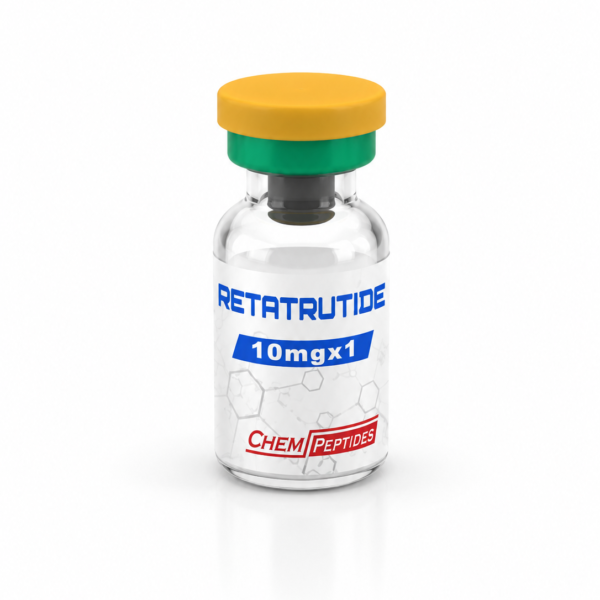
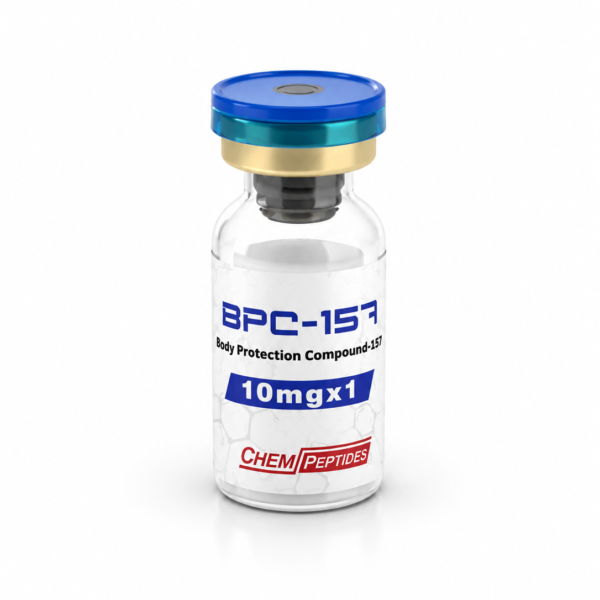
De meest gebruikte research peptiden uit onze catalogus:
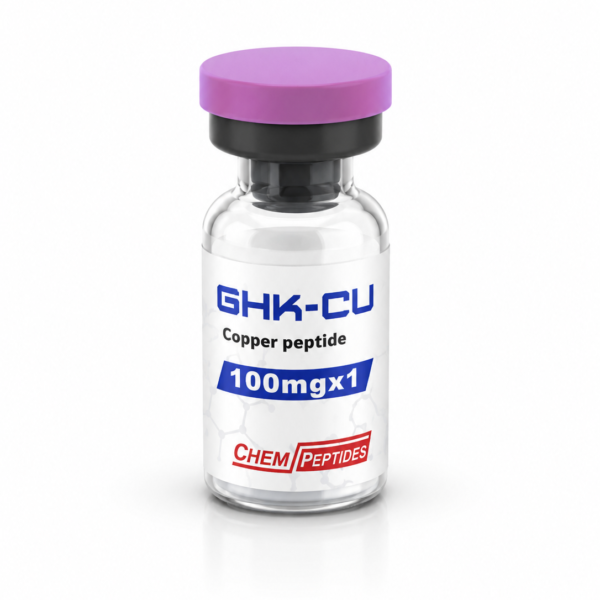
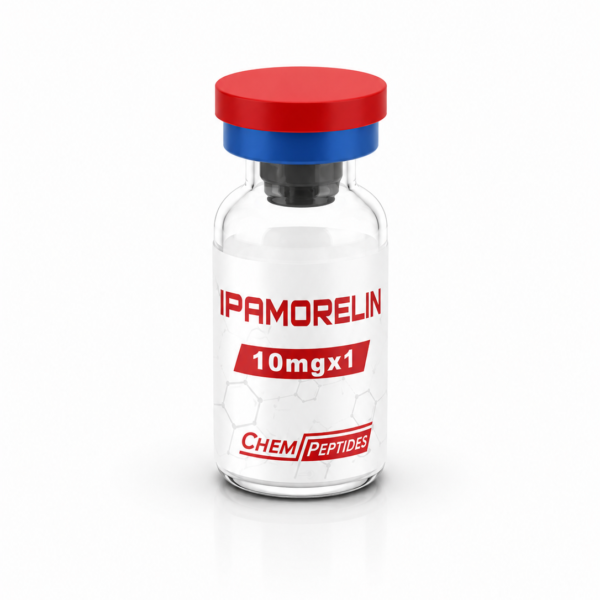
Betalen met iDEAL of Wero. Verzending in discrete verpakking vanuit Nederland. Uitsluitend voor laboratorium- en onderzoeksdoeleinden.