
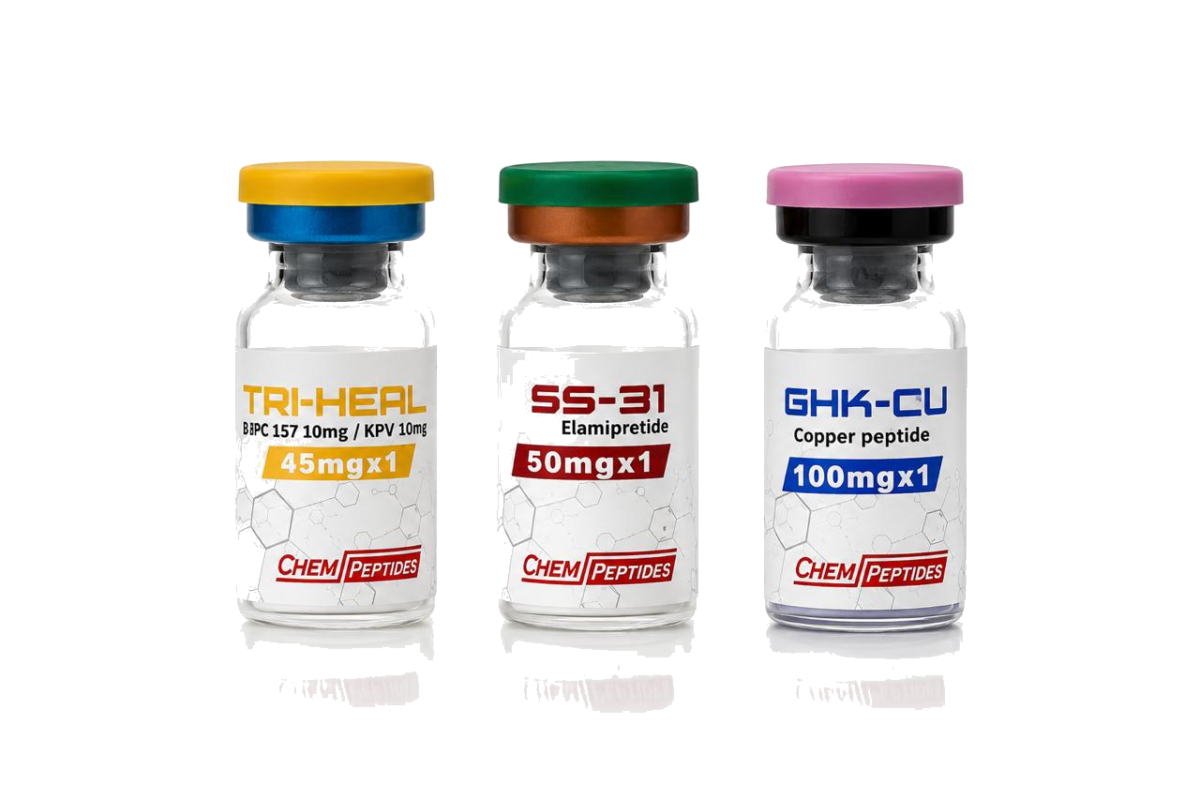
De meeste missers met peptideleveranciers zijn te voorspellen. Onderzoekers die budget verliezen aan slechte batches hebben doorgaans geen gestructureerde audit gedaan, maar op prijs gekocht. Deze zeven patronen voorspellen consequent een tweederangs leverancier binnen de Europese markt. Ze herkennen kost tien minuten en redt complete onderzoeksprotocollen.
Alarmsignaal 1: geen analysecertificaat op de productpagina
Het meest voorspellende negatieve signaal dat er is. Leveranciers die per batch een analysecertificaat op hun productpagina publiceren, draaien een echte kwaliteitscontrole. Leveranciers die certificaten wegstoppen achter een aanvraagformulier hebben vaak geen batch-specifieke verificatie, maar een enkel sjabloon dat telkens opnieuw wordt gebruikt.
Test het: kies drie willekeurige verbindingen op de site van de leverancier. Zie je binnen twee klikken geen HPLC- en massaspectrometriegegevens, dan is dat een signaal.
Alarmsignaal 2: hetzelfde certificaat bij meerdere batches
Heeft het certificaat dat je ontvangt dezelfde datum, hetzelfde batchnummer of hetzelfde chromatogram als dat van een collega drie maanden eerder, dan hergebruikt de leverancier zijn documentatie. Echte verificatie per batch levert bij elke synthese verse documenten op.
Alarmsignaal 3: uitsluitend crypto of uitsluitend overboeking
Gevestigde Europese leveranciers doorstaan de controles van betaaldienstverleners en bieden gereguleerde betaalopties zoals iDEAL, Wero en betaling via de eigen bankomgeving. Leveranciers die alleen crypto of alleen overboeking accepteren, komen doorgaans niet door een identiteitscontrole heen, en dat betekent dat zij niet op het niveau kunnen opereren dat een legitieme onderzoeksleverancier hoort te halen. Dit is een structureel signaal.
Alarmsignaal 4: marketingteksten die de onderzoeksgrens overschrijden
Legitieme research grade leveranciers kaderen hun producten met taal over uitsluitend onderzoeksgebruik: uitsluitend voor laboratoriumonderzoek, niet voor gebruik bij mens of dier, en doseringsinformatie die als onderzoeksliteratuur wordt gepresenteerd in plaats van als instructie. Leveranciers die spreken over resultaten, kuren, stacks of wat je moet doseren, opereren buiten het onderzoekskader. Dat brengt risico bij de douane met zich mee en plaatst hen buiten de legitieme keten.
Alarmsignaal 5: een domein jonger dan twaalf maanden
Leveranciers die al langer bestaan, hebben infrastructuur opgebouwd waar tijd in gaat zitten: laboratoriumpartners, douaneprocessen, naleving rond betalingen en een werkende klantenservice. Een leverancier met een domein van zes maanden oud heeft dat allemaal nog niet. Zij kunnen alsnog uitgroeien tot een serieuze partij, maar je wilt niet het laboratorium zijn dat hun leercurve heeft gefinancierd.
Controleer dit via WHOIS, want de registratiedatum van een domein is openbaar.
Alarmsignaal 6: geen verifieerbaar adres of bedrijfsentiteit
Europese leveranciers horen te beschikken over:
- Een geregistreerde onderneming, verifieerbaar via de KVK in Nederland, Companies House in het VK of SIREN in Frankrijk
- Een fysiek adres dat werkelijk bestaat en geen virtuele kantoordienst is
- Een verifieerbare btw-registratie
- Bekende gegevens over bestuurder of eigenaar
Leveranciers met een vage claim ergens in de EU, zonder specifiek land, entiteit of adres, opereren in een grijs gebied.
Alarmsignaal 7: klantenservice die de regelgeving verkeerd voorstelt
Ondersteuning per e-mail of chat die beweert dat peptiden overal volledig legaal zijn of die therapeutische claims doet, stelt de regelgeving verkeerd voor. Legitieme leveranciers trainen hun klantcontactmedewerkers op het kader van uitsluitend onderzoeksgebruik. Een verkeerde voorstelling van zaken suggereert dat de leverancier ook elders bereid is om af te snijden.
De signalen samen: waar ligt de grens
Een leverancier met een enkel signaal kan gewoon een starter zijn. Leveranciers met drie of meer signalen blijken consequent onbetrouwbaar, zowel in klantbeoordelingen als in terugkoppeling vanuit onderzoekslaboratoria. De grens ligt niet bij absolute zuiverheid maar bij de dichtheid van het patroon.
Hoe het omgekeerde eruitziet
De signatuur van een solide leverancier:
- Analysecertificaat toegankelijk op elke productpagina
- Verificatie per batch met verse datums
- Gereguleerde betaalmethoden zoals iDEAL en Wero
- Consistente kadering rond uitsluitend onderzoeksgebruik
- Een domein van twee jaar of ouder
- Een verifieerbare onderneming met fysiek adres
- Klantenservice die het regelgevende kader respecteert
Het volledige gestructureerde kader staat in de auditchecklist voor peptideleveranciers.
Chempeptides sluit aan op het omgekeerde patroon: een EU-entiteit, certificaten per batch, gereguleerde betalingen en consistente kadering rond onderzoeksgebruik. Bekijk de onderzoekscatalogus.
Uitsluitend voor laboratoriumonderzoek.
Gerelateerd onderzoek
- HPLC Zuiverheid van 99 Procent: Waarom Het Verschil Maakt Bij Onderzoek-Grade Peptides
- Wegovy Bijwerkingen: De Complete Gids op Basis van Klinisch Onderzoek 2026
- Analytische standaarden in peptide-onderzoek: wat een onderzoeksleverancier scheidt van een wederverkoper
- Receptorbindingsassays: hoe peptidefarmacologie in celkweek wordt bestudeerd
- HPLC-zuiverheid vanaf 99 procent bij research peptiden: hoe chromatografie de integriteit van een verbinding verifieert
Research disclaimer▾
Alle informatie op deze pagina is bedoeld voor laboratoriumonderzoek en in-vitro studies. Geen humane consumptie. Geen medische claims. Producten zijn niet goedgekeurd door EMA of FDA voor therapeutisch gebruik.
Research-grade materiaal bij Chempeptides
De meest gebruikte research peptiden uit onze catalogus:

Betalen met iDEAL of Wero. Verzending in discrete verpakking vanuit Nederland. Uitsluitend voor laboratorium- en onderzoeksdoeleinden.