CJC-1295 bestaat in twee onderzoeksvormen die routinematig door elkaar worden gehaald. Het achtervoegsel “DAC” staat voor een drug affinity complex, een covalente modificatie die de plasmahalfwaardetijd dramatisch verlengt. Zonder DAC wordt hetzelfde peptide soms aangeduid als “mod GRF 1-29” of “CJC-1295 no-DAC”. Het zijn niet dezelfde moleculen en de onderzoekstoepassingen verschillen. Dit is de vergelijking.
Wat CJC-1295 in de basis is
CJC-1295 is een synthetisch analoog van de eerste 29 aminozuren van growth hormone releasing hormone (GHRH 1-29), met vier aminozuursubstituties (D-Ala²-Gln⁸-Ala¹⁵-Leu²⁷) die enzymatische afbraak weerstaan. De substituties verlengen de halfwaardetijd van de ~7 minuten van endogeen GHRH naar ongeveer 30 minuten.
De DAC-modificatie
Het drug affinity complex is een maleïmidopropionzuur-linker die aan de C-terminus van CJC-1295 wordt toegevoegd. Na toediening bindt de linker covalent aan circulerend serumalbumine via een vrij cysteïneresidu. Het peptide wordt vervolgens door albumine gedragen, dat een plasmahalfwaardetijd van ongeveer 19 dagen heeft.
Het resultaat: CJC-1295 DAC heeft een plasmahalfwaardetijd van ongeveer 8 dagen, vergeleken met ~30 minuten voor de vorm zonder DAC.
Halfwaardetijd-tabel
| Vorm | Modificatie | Halfwaardetijd | Doseringsfrequentie (onderzoek) |
|---|---|---|---|
| GHRH 1-29 (natief) | geen | ~7 min | meerdere keren per dag |
| CJC-1295 (zonder DAC) | 4 aminozuursubstituties | ~30 min | dagelijks |
| CJC-1295 met DAC | substituties + albuminelinker | ~8 dagen | wekelijks |
GH-pulspatroon: het cruciale verschil
Dit is waar de twee vormen uiteenlopen in onderzoekstoepassing.
CJC-1295 zonder DAC produceert een afzonderlijke GHRH-stimulus die binnen enkele uren afneemt. Endogene GH-pulsen blijven pulserend, waardoor de onderzoeker acute pulsversterking kan modelleren zonder het natuurlijke pulsatiliteitspatroon te verstoren.
CJC-1295 DAC produceert een vrijwel continue GHRH-stimulus gedurende zijn halfwaardetijd van 8 dagen. De pulsatiliteit van endogene GH-afgifte wordt afgezwakt, GH is meer continu verhoogd. Dit is een andere fysiologische toestand en de onderzoeksmodellen die het gebruiken stellen andere vragen.
Stapelen met ghrelinereceptor-agonisten
Beide vormen worden vaak bestudeerd naast ghrelinereceptor-agonisten (ipamorelin, GHRP-6) omdat GHRH-stimulus en GHS-R1a-stimulus synergetische GH-afgifte produceren. Bij CJC-1295 zonder DAC is de timing van de puls belangrijk: de GHRP en het GHRH-analoog moeten tegelijkertijd pieken. Bij CJC-1295 met DAC betekent het constante GHRH-achtergrondsignaal dat alleen de timing van de GHRP de pulsamplitude bepaalt.
Stabiliteit en reconstitutie
Beide vormen worden gelyofiliseerd geleverd. Reconstitutie in bacteriostatisch water bij 1 tot 2 mg/mL is standaard. Gekoeld behoudt gereconstitueerd CJC-1295 gedurende ongeveer 4 weken zijn potentie. De DAC-linker is gevoelig voor herhaald vriezen en ontdooien: eenmalig vriezen en ontdooien is aanvaardbaar, meerdere cycli tasten de integriteit van de linker aan.
Kiezen op basis van de onderzoeksvraag
- Acute GH-pulsversterking: zonder DAC
- Modellen voor aanhoudende GHRH-receptoractivatie: DAC
- Behoud van het pulserende patroon: zonder DAC
- Verlaagde doseringsfrequentie / steady-state-modellen: DAC
Chempeptides levert beide vormen met batchspecifieke CoA, zie de onderzoekscatalogus voor de huidige beschikbaarheid. Alleen voor onderzoeksdoeleinden.
Gerelateerd onderzoek
- CJC-1295 met en zonder DAC: complete gids voor GHRH analoog onderzoek
- Sermorelin vs CJC-1295: GHRH-analoog stabiliteitsprofielen
- GHRP-6 voor appetite en bulking research: complete gids met CJC-1295 combinatie
- Tesamorelin: GHRH-analoog voor lipodystrofie-onderzoek
- Tesamorelin FDA goedgekeurde GHRH analoog: visceraal vet onderzoek
Research disclaimer▾
Alle informatie op deze pagina is bedoeld voor laboratoriumonderzoek en in-vitro studies. Geen humane consumptie. Geen medische claims. Producten zijn niet goedgekeurd door EMA of FDA voor therapeutisch gebruik.
Onderzoeksmateriaal bij dit onderwerp
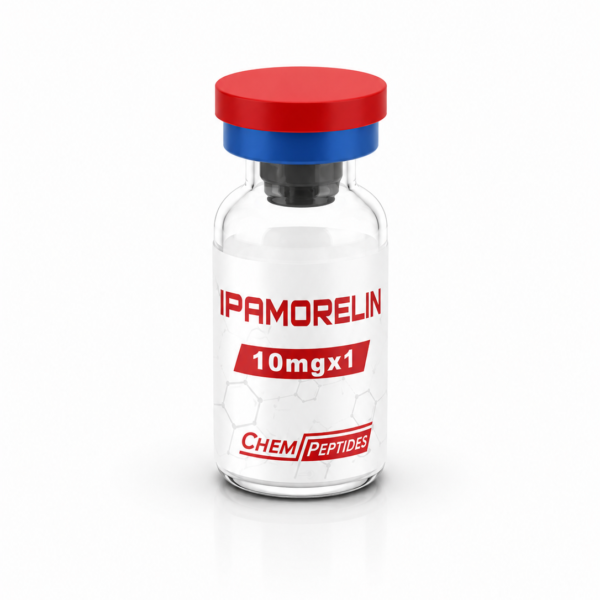
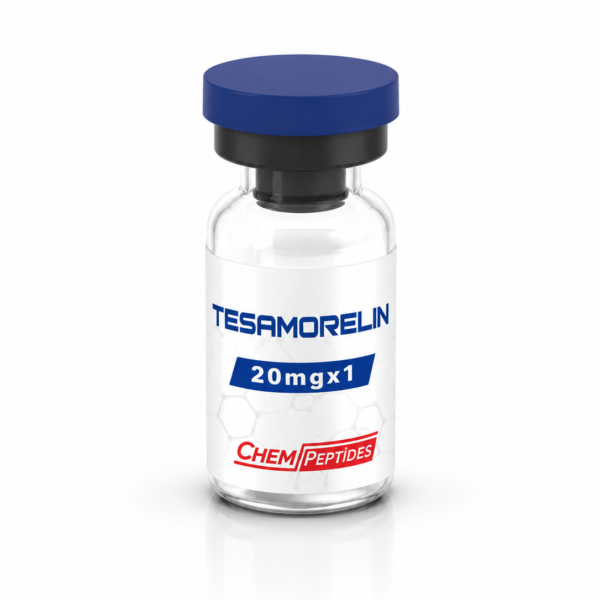
De peptiden die in spier- en groeihormoononderzoek het meest worden gebruikt:
Betalen met iDEAL of Wero. Verzending in discrete verpakking vanuit Nederland. Uitsluitend voor laboratorium- en onderzoeksdoeleinden.