
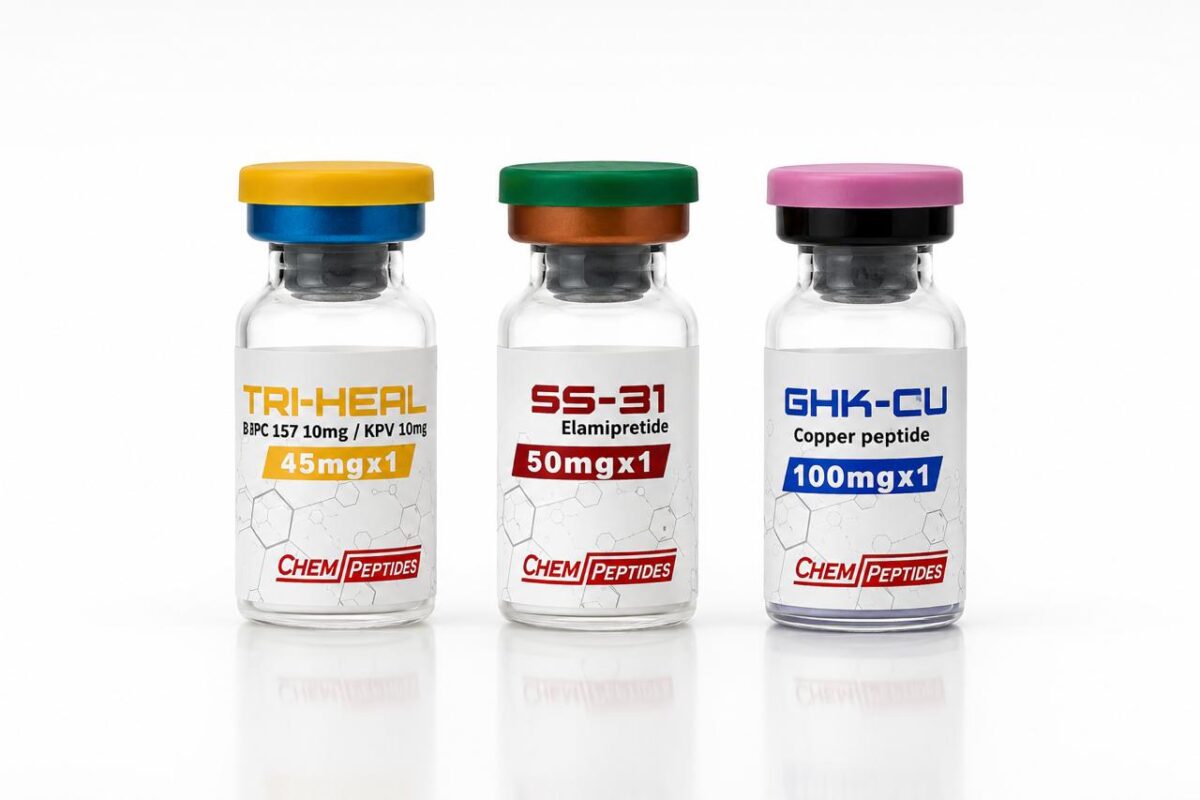
Ipamorelin is een pentapeptide groeihormoon-secretagoog die voor het eerst werd beschreven door Raun et al. in 1998. Het behoort tot de bredere klasse van GHRPs (growth hormone releasing peptides) naast GHRP-2, GHRP-6 en hexarelin, maar het onderscheidende kenmerk is selectiviteit. Dit overzicht brengt het gepubliceerde onderzoek in kaart naar hoe ipamorelin GH-pulsen produceert zonder de bijkomende activaties die bij oudere GHRPs worden gezien.
Sequentie en structuur
Ipamorelin: Aib-His-D-2-Nal-D-Phe-Lys-NH₂. De niet-natuurlijke aminozuren (Aib, D-2-Nal, D-Phe) beschermen tegen enzymatische afbraak en sturen de receptorselectiviteit. Het C-terminale amide is vereist voor binding aan de ghrelinereceptor.
Receptordoelwit: GHS-R1a
Ipamorelin is een selectieve agonist van de growth hormone secretagogue receptor 1a (GHS-R1a), dezelfde receptor die door endogeen ghreline wordt geactiveerd. Binding zet een neerwaartse cascade in gang die pulserend groeihormoon vrijgeeft uit de somatotrofen van de voorkwab van de hypofyse.
Wat “selectief” in de praktijk betekent
Oudere GHRPs (GHRP-2, GHRP-6) activeren GHS-R1a maar veroorzaken ook hormonale verschuivingen buiten het doelwit. De onderzoeksliteratuur rapporteert:
- GHRP-2: significante afgifte van ACTH en cortisol naast GH
- GHRP-6: verhoging van prolactine, ACTH en cortisol; sterke eetluststimulatie via centrale routes
- Ipamorelin: GH-afgifte zonder meetbare verhoging van ACTH, cortisol of prolactine in de meeste onderzoeksmodellen (Raun et al., 1998)
De selectiviteit komt voort uit verschillen in moleculaire structuur die GHS-R1a strak binden terwijl kruisreactiviteit bij verwante receptoren wordt vermeden.
Puls-farmacokinetiek
Ipamorelin heeft een korte plasmahalfwaardetijd (~2 uur) en produceert een snel stijgende, relatief korte GH-puls die in onderzoeksmodellen doorgaans 15 tot 30 minuten na toediening piekt en binnen 2 tot 3 uur terugkeert naar de uitgangswaarde. Dit bootst het pulserende patroon van endogene GH-afgifte na in plaats van een aanhoudende verhoging te produceren.
Combinatie-onderzoek: ipamorelin + CJC-1295
Ipamorelin wordt in onderzoeksprotocollen vaak gecombineerd met CJC-1295 (een GHRH-analoog). De twee werken op verschillende receptoren: CJC-1295 versterkt het onderliggende GHRH-signaal terwijl ipamorelin de ghrelinereceptor-puls levert. In knaagdiermodellen wordt een synergetische amplitude van GH-afgifte gerapporteerd, maar voorzichtigheid is geboden: de literatuur over combinatieprotocollen is preklinisch en combinatiedosering is niet systematisch gevalideerd in humane studies.
Stabiliteit en reconstitutie
Ipamorelin wordt gelyofiliseerd geleverd. Reconstitutie in bacteriostatisch water bij 2 tot 5 mg/mL is gebruikelijk voor stabiliteitsstudies. Gekoeld behoudt gereconstitueerd ipamorelin gedurende ongeveer 28 dagen zijn potentie. Vermijd vries-dooicycli, want het korte pentapeptide is gevoelig voor herhaalde faseovergangen.
Openstaande onderzoeksvragen
- Patronen van receptordesensibilisatie op lange termijn bij chronische dosering
- Vergelijkend selectiviteitsprofiel in humane versus knaagdier-hypofysecellen
- Interactie-effecten met voedselinname (ghreline wordt endogeen onderdrukt na de maaltijd)
Chempeptides levert HPLC-geverifieerd ipamorelin met batch-CoA, zie de onderzoekscatalogus voor de huidige beschikbaarheid en onze reconstitutiegids voor protocoldetails.
Alleen voor onderzoeksdoeleinden.
Gerelateerd onderzoek
- Ipamorelin selectieve GH releaser: voordelen tegenover GHRP-2 en GHRP-6
- Hexarelin onderzoek: GHRP selectiviteitsprofiel
- GHRP-6 voor appetite en bulking research: complete gids met CJC-1295 combinatie
- Tesamorelin: GHRH-analoog voor lipodystrofie-onderzoek
- Tesamorelin FDA goedgekeurde GHRH analoog: visceraal vet onderzoek
Research disclaimer▾
Alle informatie op deze pagina is bedoeld voor laboratoriumonderzoek en in-vitro studies. Geen humane consumptie. Geen medische claims. Producten zijn niet goedgekeurd door EMA of FDA voor therapeutisch gebruik.
Onderzoeksmateriaal bij dit onderwerp
De peptiden die in spier- en groeihormoononderzoek het meest worden gebruikt:
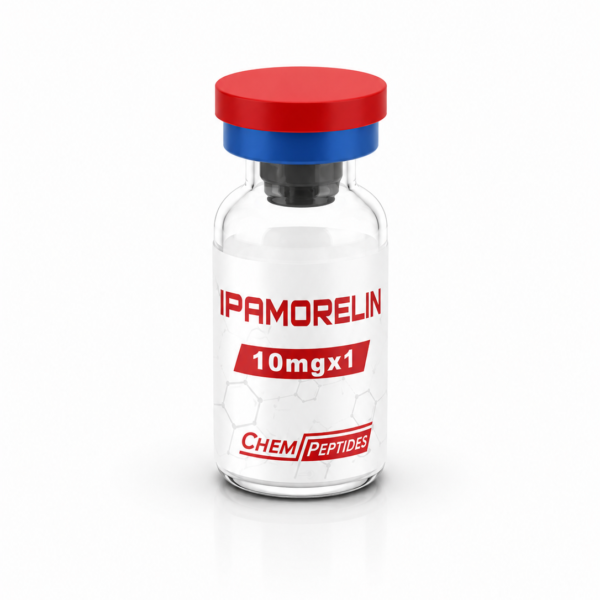
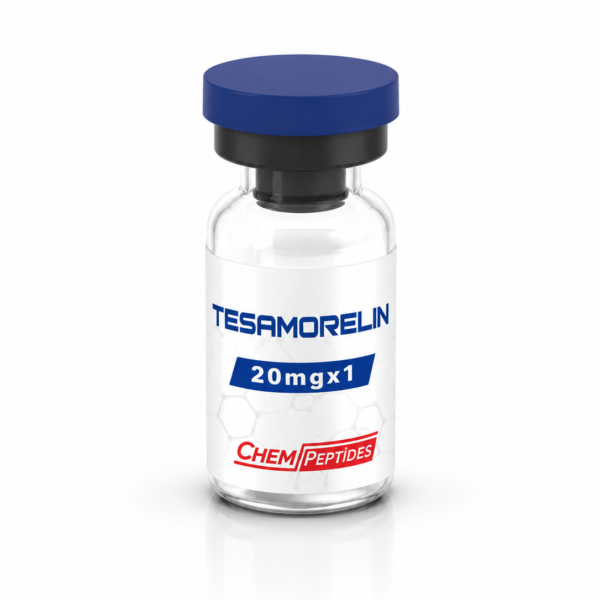
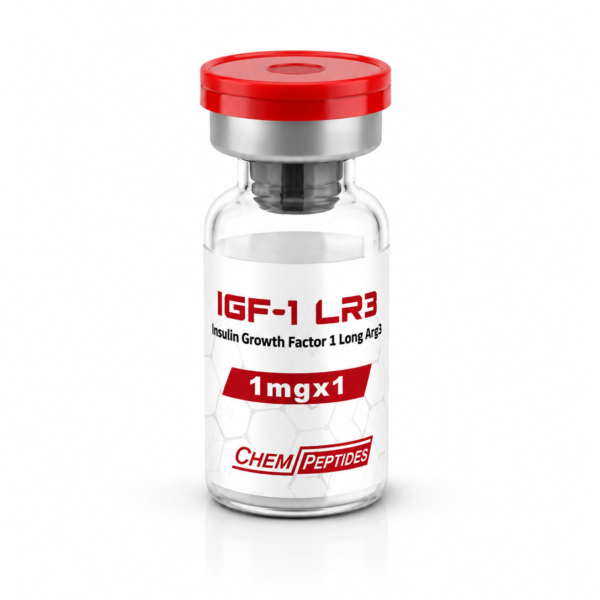
Betalen met iDEAL of Wero. Verzending in discrete verpakking vanuit Nederland. Uitsluitend voor laboratorium- en onderzoeksdoeleinden.